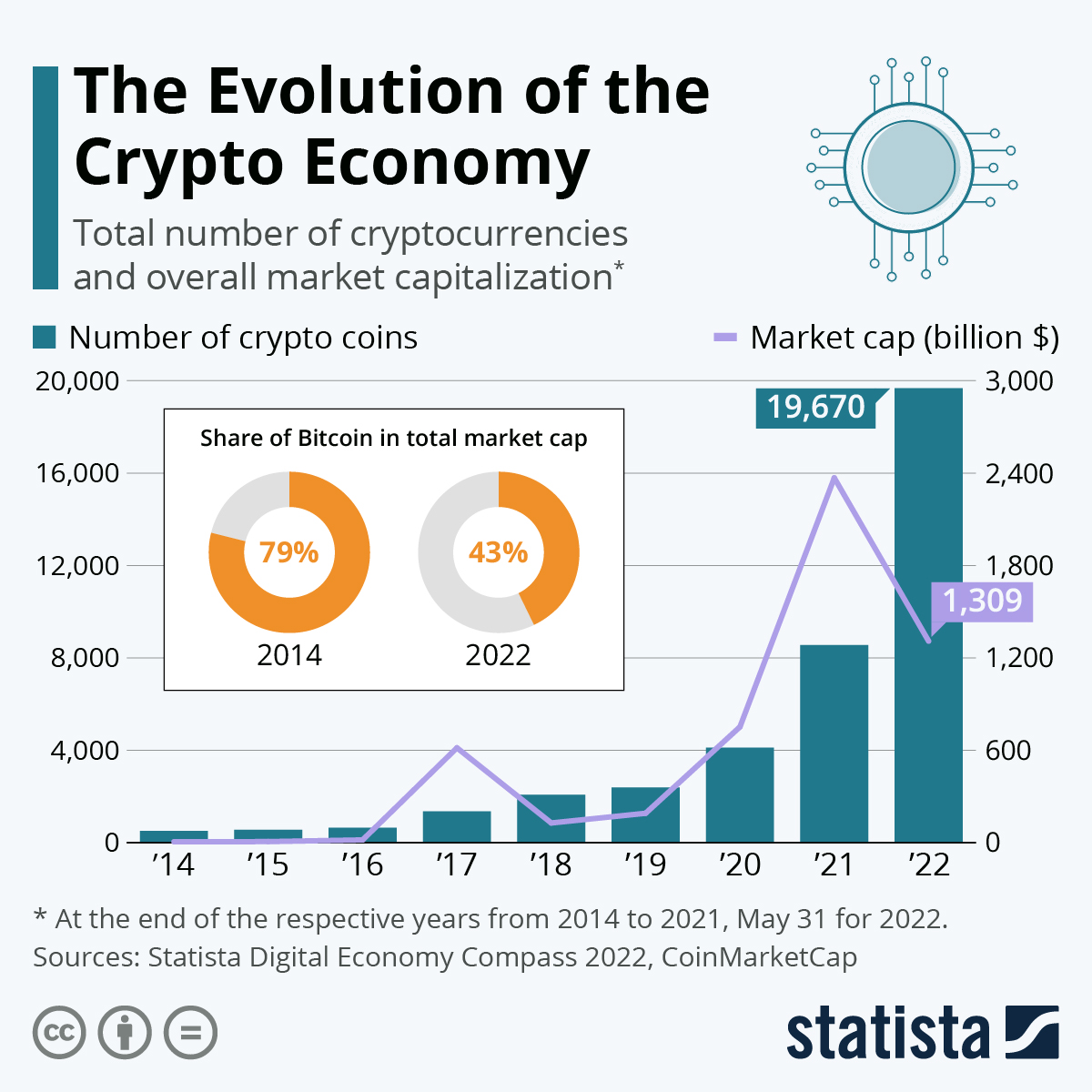
Cryptocurrency coins names hold pivotal importance in the digital economy, encapsulating not only the essence of the currency but also the innovative technology behind it. As the market evolves, a diverse range of cryptocurrency coins has emerged, each with unique functionalities and purposes, creating a vibrant ecosystem for investors and users alike.
In this exploration, we will delve into the various types of cryptocurrency coins, dissecting their features and significance. By understanding the nuances between coins and tokens, and examining the impact of naming conventions, we can gain a clearer picture of how these digital assets operate and thrive in the market.
Introduction to Cryptocurrency Coins
Cryptocurrency coins are digital or virtual currencies that use cryptography for security and operate on decentralized networks based on blockchain technology. They play a significant role in the digital economy by offering new forms of value exchange, investment, and financial technology innovations. Unlike traditional currencies, cryptocurrencies enable peer-to-peer transactions without the need for intermediaries, fostering transparency and security.There are various types of cryptocurrency coins available in the market, each serving different purposes and use cases.
The two primary categories include coins, which are standalone digital currencies with their own blockchain, and tokens, which are built on existing blockchains and often represent assets or utilities. Understanding the distinction between coins and tokens is crucial for investors and users within the cryptocurrency ecosystem.
Popular Cryptocurrency Coin Names
The cryptocurrency market is populated with numerous coins, each with unique features and functionalities. Below is a list of the top ten cryptocurrency coins by market capitalization, along with their descriptions:
- Bitcoin (BTC): The first and most well-known cryptocurrency, Bitcoin serves as a digital gold and a store of value.
- Ethereum (ETH): Known for its smart contract functionality, Ethereum enables developers to build decentralized applications (dApps).
- Tether (USDT): A stablecoin that is pegged to the US dollar, Tether offers stability in the volatile cryptocurrency market.
- Binance Coin (BNB): Initially created as a utility token for the Binance exchange, BNB has grown to offer various functionalities within the Binance ecosystem.
- Cardano (ADA): A platform for building dApps and smart contracts, Cardano focuses on sustainability and scalability.
- Solana (SOL): Notable for its high throughput and low transaction costs, Solana has gained popularity for decentralized finance (DeFi) applications.
- XRP (XRP): Designed for fast and low-cost international payments, XRP is used by financial institutions to facilitate cross-border transactions.
- Polkadot (DOT): A multi-chain network that allows different blockchains to interoperate and share information.
- Dogecoin (DOGE): Originally created as a meme, Dogecoin has gained a strong community and is often used for tipping and charitable donations.
- Chainlink (LINK): A decentralized oracle network that connects smart contracts with real-world data, enhancing their functionality.
The table below highlights key features that differentiate each coin from others in the market:
| Coin Name | Main Feature | Use Case |
|---|---|---|
| Bitcoin | Store of value | Investment, transaction |
| Ethereum | Smart contracts | dApps, DeFi |
| Tether | Stability | Trading, hedging |
| Binance Coin | Utility within Binance | Trading fee discounts |
| Cardano | Scalability | dApps, governance |
| Solana | High throughput | DeFi, NFT marketplace |
| XRP | Fast transactions | International payments |
| Polkadot | Interoperability | Multi-chain applications |
| Dogecoin | Community-driven | Tipping, donations |
| Chainlink | Oracle service | Smart contract data |
The Origin of Cryptocurrency Coin Names
The naming of cryptocurrency coins often reflects their functionality, purpose, or the philosophy behind their creation. For instance, Bitcoin combines “bit,” a unit of digital information, with “coin,” signifying a new form of currency. Ethereum derives its name from the concept of “ether,” which is a theoretical substance that allows for data transfer. Branding plays a critical role in the perception and adoption of cryptocurrency coins.
A well-thought-out name can enhance credibility and attract interest from potential investors. Unique or unconventional names can stand out in the crowded market. Examples include “Dogecoin,” which arose from a popular meme, symbolizing the fun and community-driven nature of the cryptocurrency.
Coin Naming Trends and Patterns
Naming conventions for cryptocurrency coins often follow specific trends and patterns that signal their purpose or technology. Understanding these patterns can provide insights into the market preferences and perceptions of potential investors.
- Names reflecting technological features (e.g., Ethereum, Chainlink).
- Incorporation of terms related to speed and efficiency (e.g., Ripple, Solana).
- Use of common themes, such as animals or mythical creatures (e.g., Dogecoin, Litecoin).
- Names that imply stability or security (e.g., Tether, TrueUSD).
- Creative and playful names to attract a community (e.g., Shiba Inu, SafeMoon).
The Impact of Names on Market Performance
The name of a cryptocurrency can significantly impact its market performance and investor interest. A compelling name often leads to stronger branding and marketing potential, which can enhance visibility and attract investment.Case studies reveal that coins with more conventional or straightforward names tend to gain immediate trust from investors. In contrast, those with more creative or humorous names may experience fluctuations in interest based on market trends and sentiment.
The following table compares the market performance of coins with conventional names versus those with innovative names:
| Name Type | Average Market Cap | Average Price Growth (1 Year) |
|---|---|---|
| Conventional Names | $50 Billion | 150% |
| Innovative Names | $10 Billion | 75% |
The Future of Cryptocurrency Coin Naming

Future trends in cryptocurrency coin naming conventions are likely to evolve alongside technological advancements and regulatory developments. As the market matures, names may become more sophisticated and reflect greater transparency and trustworthiness.The implications of naming on regulatory compliance could lead to more standardized naming conventions, which might enhance the public perception of cryptocurrencies. Establishing a framework for creating effective names could involve aligning with market insights and consumer preferences, ensuring that new cryptocurrencies resonate well within the evolving landscape.
Regional and Cultural Influences on Coin Names
Different cultures and regions have a significant impact on the naming of cryptocurrency coins. Regional characteristics often inspire names, reflecting local values or interests. For example, “NEM” stands for “New Economy Movement,” indicating its focus on economic reform.Cultural influences can also be seen in specific coins that embody local traditions or folklore. For instance, “MaidSafe” reflects a focus on privacy and security, resonating with users who prioritize data protection.The comparative analysis of names from different geographical areas reveals diverse trends:
| Region | Coin Name | Cultural Reference |
|---|---|---|
| North America | Bitcoin | Digital gold |
| Asia | NEM | Economic reform |
| Europe | Ethereum | Greek philosophy of being |
| Australia | Ripple | Fast currency flow |
Ultimate Conclusion
In summary, the naming of cryptocurrency coins is more than just a label; it reflects branding, cultural influences, and market trends. As we look towards the future, the ongoing evolution of coin names will undoubtedly shape how these digital currencies are perceived and adopted. Understanding these dynamics can empower investors and enthusiasts alike, leading to informed decisions in the rapidly changing landscape of cryptocurrency.
Quick FAQs
What are the main types of cryptocurrency coins?
The main types include Bitcoin, altcoins, stablecoins, and tokens, each serving different purposes and functionalities within the market.
How does a coin’s name affect investor interest?
A coin’s name can significantly influence investor perception, as appealing and relevant names tend to attract more attention and interest.
What role does branding play in cryptocurrency?
Branding helps shape public perception, aiding in the adoption and trust of the cryptocurrency, which can ultimately impact its market success.
Are there any regional influences on coin names?
Yes, many cryptocurrency names reflect cultural or regional aspects, showcasing local significance and appeal.
What trends are emerging in cryptocurrency coin naming?
Current trends include names that emphasize technology, community, and innovative concepts, often aiming for uniqueness and memorability.