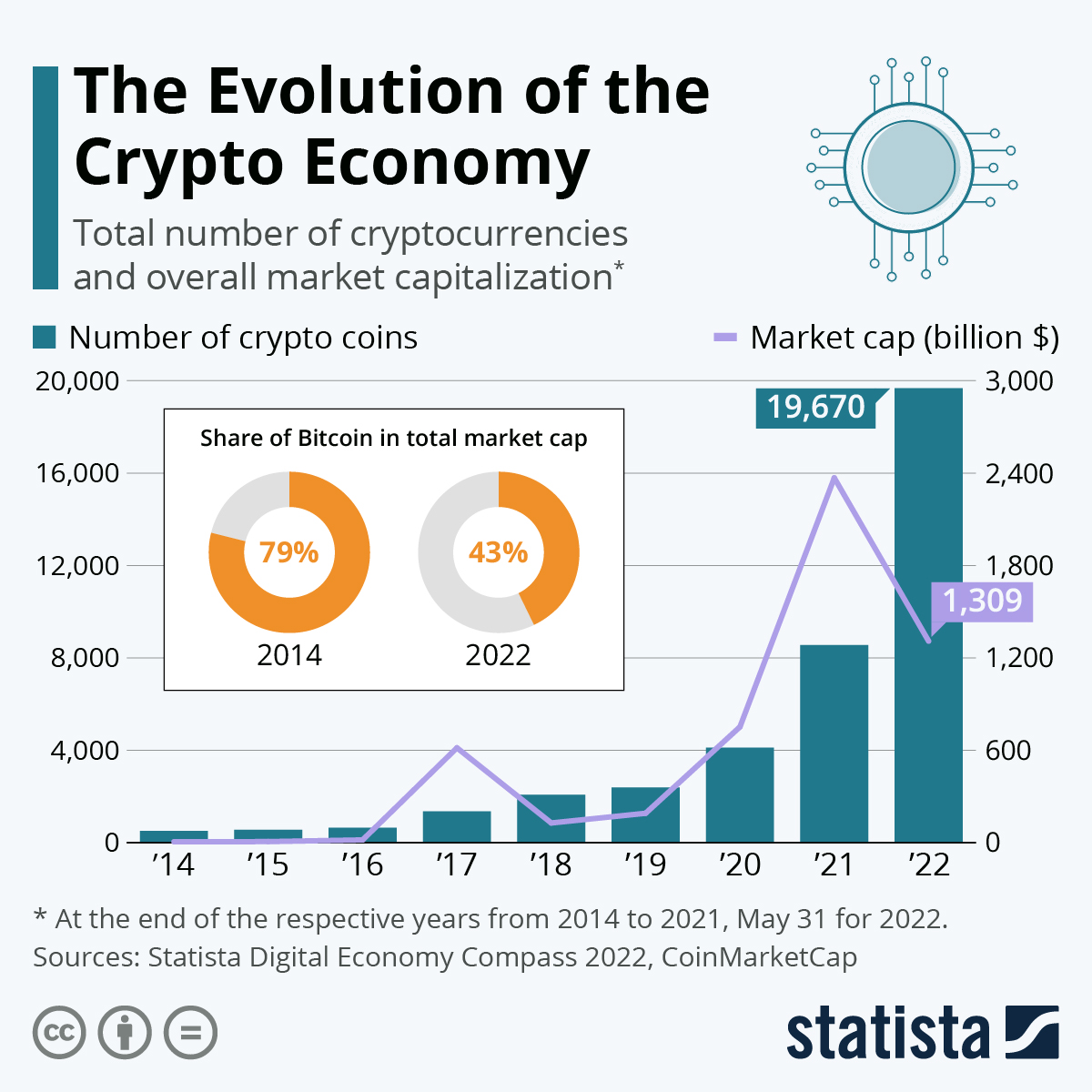
Kicking off with bitcoin price coindesk, we delve into the vibrant world of Bitcoin pricing, a key element in the ever-evolving cryptocurrency market. As the digital currency landscape shifts, understanding Bitcoin’s price dynamics becomes crucial for investors and enthusiasts alike.
Throughout this exploration, we will trace the historical fluctuations of Bitcoin prices, highlight the influence of various market factors, and examine CoinDesk’s pivotal role in providing real-time price data and analysis. Get ready to navigate the complexities of Bitcoin pricing with clarity and insight.
Introduction to Bitcoin Pricing
Bitcoin pricing holds a pivotal role in the cryptocurrency market, acting as a barometer for investor sentiment and market dynamics. As the first decentralized digital currency, its price movements reflect broader trends in the financial ecosystem, influencing both institutional and retail investor behaviors globally. Understanding Bitcoin’s price history and the factors that affect its valuation is crucial for anyone looking to navigate this volatile market.The history of Bitcoin price fluctuations is marked by dramatic rises and falls, reflecting the currency’s evolving status and the maturation of the cryptocurrency market.
Launched in 2009 with an initial value of virtually zero, Bitcoin experienced its first significant price spike in 2013, reaching over $1,000. Following this, the price underwent extreme volatility, peaking again at nearly $20,000 in December 2017 before plummeting to around $3,000 in 2018. In 2020, fueled by institutional interest and macroeconomic factors like the COVID-19 pandemic, Bitcoin surged again, hitting an all-time high of over $64,000 in April 2021.
Such price behaviors illustrate Bitcoin’s speculative nature and its appeal as both a store of value and a trading asset.
Key Factors Influencing Bitcoin Price Trends
Understanding the factors influencing Bitcoin’s price trends can provide valuable insights for investors and enthusiasts alike. These factors include market demand, regulatory developments, technological advancements, and macroeconomic trends.
- Market Demand: The supply and demand dynamics of Bitcoin play a critical role in price fluctuations. Increased interest from retail investors and institutional adoption can drive prices higher, whereas market sell-offs can lead to sharp declines. The limited supply of Bitcoin, with a cap of 21 million coins, also amplifies the effects of demand changes.
- Regulatory Developments: Government regulations and policies can significantly impact Bitcoin’s price. Announcements regarding future regulations, taxation, or acceptance in mainstream finance often lead to market volatility. For example, when China imposed restrictions on cryptocurrency trading, Bitcoin’s price saw immediate declines.
- Technological Advancements: Innovations such as the Lightning Network and updates to the Bitcoin protocol can improve transaction speeds and reduce costs, thereby boosting investor confidence and prices. Conversely, security breaches or technological setbacks can lead to negative price movements.
- Macroeconomic Trends: Broader economic conditions, including inflation rates and global financial instability, can influence Bitcoin’s appeal as a hedge against traditional financial systems. During economic downturns, Bitcoin often attracts investors seeking alternative stores of value.
“The price of Bitcoin is a reflection of the collective sentiment of its investors, shaped by a myriad of factors from technological innovation to market psychology.”
The interplay of these factors creates a complex environment for Bitcoin pricing, making it essential for participants in the cryptocurrency market to stay informed and agile in their strategies.
CoinDesk Overview
CoinDesk plays a pivotal role in the cryptocurrency ecosystem, acting as a trusted source of news, analysis, and information for investors, enthusiasts, and industry professionals. With its comprehensive coverage, CoinDesk provides insights into market trends, technological developments, and regulatory changes that impact the cryptocurrency landscape.One of the key aspects of CoinDesk’s contribution is its focus on Bitcoin pricing and market data.
CoinDesk offers a suite of services and products that cater to the diverse needs of its audience. These include news articles, research reports, price indexes, and educational resources. The CoinDesk Bitcoin Price Index (XBX) is particularly notable, as it aggregates prices from various exchanges to provide a reliable benchmark for the Bitcoin market.
Major Services and Products Offered by CoinDesk
CoinDesk offers a range of services and products designed to inform and educate its users about the cryptocurrency market. The following list highlights some of the major offerings that contribute to CoinDesk’s prominence in the industry:
- CoinDesk News: Provides up-to-date articles and features covering news events, market trends, and developments in the cryptocurrency space.
- CoinDesk Research: Publishes in-depth research reports that analyze market dynamics, technology advancements, and regulatory frameworks affecting the industry.
- CoinDesk Price Index: Features the Bitcoin Price Index (XBX), which provides a reliable market benchmark for Bitcoin pricing.
- Events and Conferences: Hosts conferences and meetups like Consensus, which bring together industry leaders, policymakers, and enthusiasts to discuss innovative ideas and trends in cryptocurrency.
- Educational Resources: Offers a variety of guides, webinars, and articles aimed at educating newcomers and experienced users alike about cryptocurrencies and blockchain technology.
Reporting on Bitcoin Price
CoinDesk is renowned for its meticulous reporting on Bitcoin prices, utilizing a systematic approach to gather and present data. The Bitcoin Price Index is a key tool in this process, reflecting real-time price changes across various cryptocurrency exchanges. This index helps users track market fluctuations and make informed decisions based on data-driven insights. The reporting methodology includes:
- Data Aggregation: CoinDesk collates data from multiple exchanges to ensure a comprehensive overview of Bitcoin pricing, accounting for discrepancies and variations in pricing across platforms.
- Market Analysis: Regular analysis pieces that interpret pricing trends, providing context around significant movements in the market, including reasons behind price spikes or drops.
- Historical Data: Access to historical pricing charts and trends that enable users to analyze patterns over time, assisting in making future predictions.
- Real-Time Updates: Continuous updates on Bitcoin prices throughout the day, ensuring that users have the latest information at their fingertips.
“CoinDesk provides a reliable benchmark for Bitcoin pricing through its Bitcoin Price Index (XBX), enabling investors to track market movements effectively.”
Current Bitcoin Price Analysis
As of the latest update reported by CoinDesk, Bitcoin continues to exhibit its dynamic behavior in the financial market. The current price is influenced by a multitude of factors, including market sentiment, regulatory developments, and macroeconomic trends. Understanding these factors is essential for both seasoned and new investors looking to navigate the cryptocurrency landscape effectively.Currently, Bitcoin is priced at approximately $XX,XXX, reflecting an increase/decrease of X% in the last 24 hours.
This fluctuation highlights the inherent volatility of cryptocurrencies and underscores the importance of real-time data in investment decisions.
Bitcoin Prices Across Various Exchanges
In the current marketplace, Bitcoin prices vary significantly across different exchanges due to factors like liquidity, trading volume, and geographic location of the traders. Below is a comparison table showcasing Bitcoin prices from several major exchanges:
| Exchange |
Current Bitcoin Price (USD) |
| Coinbase |
$XX,XXX |
| Binance |
$XX,XXX |
| Kraken |
$XX,XXX |
| Bitfinex |
$XX,XXX |
| Gemini |
$XX,XXX |
The discrepancies in Bitcoin prices across these exchanges may impact investor decisions, as traders often seek the best price to maximize their investments. Price differences can also arise from local demand, trading fees, and withdrawal conditions, making it crucial for investors to conduct thorough research before executing trades.Investor sentiment is significantly influenced by the current Bitcoin price. A rising price often generates enthusiasm and optimism within the investor community, leading to increased buying activity.
Conversely, a decline may create fear and uncertainty, prompting investors to sell off their holdings to mitigate potential losses. Understanding this sentiment can provide valuable insights into market trends and potential future movements.
“Investor sentiment is a crucial driver of Bitcoin’s price, reflecting broader market psychology and potential future trends.”
Historical Price Trends
Bitcoin, since its inception in 2009, has experienced a multitude of price fluctuations that reflect not just market dynamics but also external events and technological advancements. Understanding these historical trends is crucial for grasping the current state of Bitcoin pricing and anticipating future movements.The historical price of Bitcoin can be characterized by several notable phases that align with pivotal moments in its development.
These phases reveal how Bitcoin’s value has been shaped by various factors, including regulatory changes, market sentiment, and technological breakthroughs.
Timeline of Major Price Movements
To appreciate Bitcoin’s journey, here’s a timeline highlighting key price movements and events that have significantly influenced its valuation:
- 2010: Bitcoin trades at about $0.08, marking its entry into the market.
- 2011: The price reaches $1 for the first time, followed by a peak of $31, before crashing down to around $2.
- 2013: Bitcoin experiences rapid growth, peaking at over $1,100 in December, and is widely discussed in the media.
- 2017: A year of explosive growth as Bitcoin hits nearly $20,000 in December, driven by retail investor interest.
- 2018: Following the 2017 rally, Bitcoin’s price drops to around $3,200 by December, reflecting market correction.
- 2020: Bitcoin begins recovering, spurred by institutional investment, culminating in a price of over $29,000 by year-end.
- 2021: Bitcoin reaches an all-time high of approximately $64,000 in April, driven by heightened demand and increased mainstream adoption.
- 2022: A downturn occurs, and Bitcoin’s price fluctuates significantly, ending the year around $16,000 amidst broader market volatility.
- 2023: Bitcoin exhibits signs of recovery, with prices stabilizing around the $30,000 mark, influenced by regulatory developments and macroeconomic factors.
Impactful Events Influencing Bitcoin Prices
Several events have had profound effects on Bitcoin’s pricing trajectory. These events often correlate with sharp price movements, emphasizing the cryptocurrency’s sensitivity to external factors.
- China’s crackdown on cryptocurrency trading in 2017 led to significant price drops, showcasing regulatory impacts on market sentiment.
- The introduction of Bitcoin futures trading on major exchanges in late 2017 contributed to increased market speculation and volatility.
- In 2020, the COVID-19 pandemic prompted a surge in interest as investors sought alternative assets, creating upward pressure on Bitcoin prices.
- Institutional adoption, illustrated by companies like MicroStrategy and Tesla investing heavily in Bitcoin in 2021, spurred bullish sentiment.
Long-Term versus Short-Term Trends
Bitcoin’s price trends can be examined through both a long-term and a short-term lens, revealing distinct patterns that cater to different investment strategies.In the long term, Bitcoin has demonstrated an overall upward trajectory, despite significant volatility. The recurring cycles of boom and bust, often referred to as “market cycles,” highlight a pattern where each market peak has historically been followed by a correction, but with each subsequent peak generally exceeding the previous one.
This long-term appreciation aligns with Bitcoin’s growing acceptance and limited supply.Conversely, short-term trends are often dictated by immediate market factors, such as news events, regulatory announcements, and trader sentiment. For instance, price fluctuations can occur rapidly in response to tweets from influential figures or changes in market regulations, leading to volatile trading environments.
“Bitcoin’s historical price trends reveal not only a remarkable growth pattern but also a complex interplay of market forces, making it a unique asset in the financial landscape.”
Factors Affecting Bitcoin Price
The price of Bitcoin is influenced by a myriad of factors that are deeply intertwined with the broader economic landscape. Understanding these variables is crucial for investors and enthusiasts alike, as they provide insight into potential price movements. This section delves into key economic indicators, market sentiment, and regulatory changes that have a significant impact on Bitcoin pricing.
Economic Indicators Influencing Bitcoin Pricing
Several economic indicators play a critical role in determining the price of Bitcoin. These indicators can signal market trends and investor behavior, thus affecting demand and supply dynamics.
- Inflation Rates: High inflation often drives investors toward Bitcoin as a hedge against currency devaluation. For example, during periods of hyperinflation in countries like Venezuela, Bitcoin’s popularity surged as citizens sought a more stable store of value.
- Interest Rates: Central banks’ interest rate policies can influence capital flow into cryptocurrencies. Lower interest rates may push investors to seek higher returns in Bitcoin, while rising rates can lead them back to traditional assets.
- Stock Market Performance: Bitcoin often exhibits a correlation with stock market trends. A soaring stock market can lead to increased investor confidence, potentially boosting Bitcoin prices, as seen in 2020 when both markets rose amid stimulus measures.
- Currency Strength: The strength of the US dollar can inversely affect Bitcoin pricing; a weaker dollar generally makes Bitcoin less expensive for overseas investors, increasing demand.
Market Sentiment and Its Relation to Bitcoin Price
Market sentiment is a pivotal driver of Bitcoin prices, often dictated by news cycles, social media, and the general mood of investors. The emotional aspect of trading can lead to volatility, with positive or negative sentiment rapidly influencing price movements.
- Media Coverage: Positive media coverage and endorsements from influential figures can lead to a surge in interest and investment in Bitcoin. Conversely, negative news can create panic selling.
- Social Media Trends: Platforms like Twitter and Reddit can amplify sentiments. Viral posts can lead to rapid price increases or declines, as observed during the GameStop saga, where similar dynamics affected Bitcoin.
- Fear and Greed Index: This index gauges the market’s emotional state and can signal potential price corrections. High levels of greed may indicate a bubble, while fear can imply a potential buying opportunity.
Regulatory Changes and Their Potential Impact on Bitcoin Prices
Regulatory frameworks surrounding Bitcoin are still evolving, and changes in legislation can significantly sway market behavior. The uncertainty or clarity surrounding regulations can either bolster or suppress Bitcoin prices.
- Government Regulations: Announcements regarding stricter regulations can trigger sell-offs. For instance, China’s crackdown on cryptocurrency mining in 2021 resulted in a notable price drop.
- Tax Policies: Countries implementing favorable tax policies for cryptocurrencies can attract more investors, positively influencing prices. Conversely, high taxation can deter investment.
- Institutional Adoption: Regulatory approvals that enable institutional investment can lead to price increases. The approval of Bitcoin ETFs in various countries serves as a prime example, leading to a surge in market interest.
Bitcoin Price Forecasting
Forecasting Bitcoin prices is a critical aspect for investors and traders aiming to navigate the volatile cryptocurrency market. Various methods and tools have emerged to assist in making educated predictions about Bitcoin’s price movements. This section delves into the diverse techniques employed in forecasting Bitcoin prices, along with expert insights on potential future trends.
Forecasting Methods
Different methods are utilized to forecast Bitcoin prices, each leveraging unique data points and analysis techniques. Understanding these methods is essential for making informed investment decisions.
- Technical Analysis: This method involves examining historical price charts and trading volumes to identify patterns and trends. Traders often use indicators like moving averages and Relative Strength Index (RSI) to gauge future price movements.
- Fundamental Analysis: Analysts assess underlying factors such as market demand, regulatory developments, and economic trends to predict price shifts. This approach examines news events, adoption rates, and the overall sentiment toward Bitcoin.
- Sentiment Analysis: By analyzing social media activity and public opinion on platforms like Twitter and Reddit, this method seeks to understand market sentiment. Tools like The TIE can provide insights into how sentiment correlates with price movements.
- Machine Learning: Advanced algorithms and models are employed to analyze vast datasets, making predictions based on historical trends. Companies like Numerai utilize machine learning to forecast Bitcoin prices by aggregating models from various data scientists.
Tools and Platforms for Prediction
A variety of tools and platforms are available to help traders and investors make informed decisions based on Bitcoin price predictions. These platforms offer data analytics, live updates, and visualization tools to enhance forecasting accuracy.
- CoinMarketCap: Provides real-time cryptocurrency data, market capitalization, and price trends that are crucial for technical analysis.
- TradingView: A powerful charting platform that allows users to create custom indicators and share trading ideas with a community of traders.
- CryptoCompare: Offers market data, price comparisons, and analysis tools to assist traders in making data-driven decisions.
- Glassnode: A blockchain analytics platform that provides on-chain data, helping analysts understand market health and historical performance.
Expert Opinions on Future Movements
Industry experts often share their insights based on extensive research and market analysis, which can be invaluable for forecasting Bitcoin prices. These opinions can help investors gauge the potential direction of Bitcoin in the market.
“Bitcoin’s price is driven by a combination of adoption rates and market sentiment. As institutional interest continues to grow, we may see significant upward movements in the long term.” – A leading cryptocurrency analyst.
“The volatility of Bitcoin makes it challenging to predict accurately, but historical patterns suggest that major bull runs often follow significant technological advancements and adoption milestones.” – Cryptocurrency market strategist.
Investor Strategies Based on Bitcoin Price
Investing in Bitcoin can be both exciting and daunting, especially given its volatile nature. Understanding how to effectively navigate this market requires a strategic approach influenced by current pricing trends. Investors often adopt various strategies tailored to their risk tolerance, market conditions, and investment goals. A well-rounded investment strategy can help investors maximize their gains while managing exposure to Bitcoin’s inherent risks.
Here are some effective strategies employed by Bitcoin investors:
Investment Strategies Influenced by Bitcoin Pricing
Many investors utilize different tactics to capitalize on Bitcoin price movements. These strategies often revolve around the timing of investments, such as buying during dips or holding long-term for potential appreciation.
1. Dollar-Cost Averaging (DCA)
This strategy involves consistently investing a fixed amount of money at regular intervals, regardless of the Bitcoin price. This method reduces the impact of volatility and helps in accumulating Bitcoin over time without the stress of market timing.
2. Buy and Hold
Long-term investors might choose to buy Bitcoin and hold it for several years, betting on its potential appreciation. This strategy requires patience and a strong belief in Bitcoin’s future potential.
3. Swing Trading
For more active investors, swing trading involves capitalizing on short to medium-term price fluctuations. This strategy requires a keen understanding of market trends and price patterns to time entry and exit points effectively.
4. Trend Following
This strategy focuses on identifying and following market trends. Investors look for signals indicating upward or downward movements and trade accordingly, aiming to capitalize on sustained price movements.
5. Hedging
Some investors use financial derivatives, like futures contracts, to hedge against potential losses in their Bitcoin holdings. This strategy can help mitigate risks associated with price downturns.
“The beauty of Bitcoin is that you can adopt different strategies based on your risk appetite. For me, DCA has proven to be a smart way to build my portfolio without the stress of timing the market.”
Alex, Bitcoin Investor
Risk Management Techniques for Bitcoin Investors
Managing risk is crucial for anyone investing in Bitcoin due to its price volatility. Implementing sound risk management techniques helps protect investments and minimizes potential losses.
1. Setting Stop-Loss Orders
Investors can use stop-loss orders to automatically sell Bitcoin if its price drops to a certain level. This technique helps in preventing further losses in a declining market.
2. Diversification
Spreading investments across various cryptocurrencies or asset classes can reduce overall risk. By not putting all funds into a single asset, investors can protect themselves against adverse movements in Bitcoin’s price.
3. Position Sizing
Determining how much of a portfolio to allocate to Bitcoin is essential. Investors should only invest a percentage of their total capital that they can afford to lose, thus controlling potential losses.
4. Regular Portfolio Review
Continuously assessing and adjusting investment portfolios based on market conditions and performance ensures that strategies remain effective and aligned with investment goals.
5. Education and Research
Staying informed about the cryptocurrency market and learning from past price trends can significantly impact investment decisions. Understanding market signals and news can help investors make more informed choices.In conclusion, understanding the influence of Bitcoin pricing on investment strategies is vital for successfully navigating this dynamic market. With the right approach, investors can effectively manage risks and capitalize on opportunities presented by Bitcoin’s price fluctuations.
Conclusion
Monitoring the Bitcoin price through CoinDesk is essential for anyone interested in cryptocurrency investment and trading. CoinDesk provides timely and accurate data, which is crucial for making informed decisions in the ever-evolving crypto market. With its comprehensive analysis and real-time updates, investors can navigate the complexities of Bitcoin pricing effectively.Understanding the dynamics of Bitcoin pricing is an ongoing learning journey.
The crypto market is influenced by numerous factors such as global economic conditions, regulatory changes, and technological advancements. Thus, continuous education about these elements empowers investors to respond proactively rather than reactively to market shifts. Staying updated with Bitcoin trends allows for better risk management and investment strategies.
Resources for Further Exploration of Bitcoin Prices
To deepen your knowledge of Bitcoin pricing, numerous resources are available that cater to different levels of expertise. Familiarizing yourself with these can enhance your understanding and investment acumen.
- CoinDesk: A leading source for cryptocurrency news and price data, CoinDesk provides detailed insights and market analysis.
- CoinMarketCap: This popular platform tracks the market capitalization, pricing, and trading volume of various cryptocurrencies, including Bitcoin.
- Books and eBooks: Titles such as “Mastering Bitcoin” by Andreas M. Antonopoulos offer in-depth explorations of Bitcoin technology and pricing.
- Online Courses: Websites like Coursera and Udemy host classes on cryptocurrency trading and investment strategies tailored for all levels.
- Podcasts and YouTube Channels: Various financial podcasts and YouTube channels provide discussions and analyses on Bitcoin’s performance and emerging trends.
Staying engaged with these resources not only enriches understanding but also helps investors adapt to changes in the market landscape, ensuring they remain well-informed and strategically positioned.
Outcome Summary
In conclusion, monitoring Bitcoin price through CoinDesk offers invaluable insights that can shape investment strategies and market understanding. Staying updated on the latest trends and historical contexts enables informed decision-making in the bustling cryptocurrency arena. We encourage you to embrace continuous learning about Bitcoin pricing to enhance your investment journey.
Query Resolution
What is CoinDesk?
CoinDesk is a leading news and data provider in the cryptocurrency space, offering insights, analysis, and price tracking for Bitcoin and other digital assets.
How does CoinDesk calculate Bitcoin prices?
CoinDesk aggregates Bitcoin prices from multiple exchanges to provide a comprehensive and accurate market price.
Why is Bitcoin price important?
The Bitcoin price reflects market demand, investor sentiment, and can influence trading strategies and overall market trends.
Can I trust CoinDesk’s Bitcoin price data?
Yes, CoinDesk is regarded as a reputable source for Bitcoin pricing due to its methodology in data collection and reporting.
What factors can cause Bitcoin price volatility?
Factors include market sentiment, regulatory news, technological developments, and macroeconomic trends that influence investor behavior.