Dive into the world of affiliate marketing within the fashion industry. This guide explores the intricacies of fashion affiliate programs, from their historical context to modern strategies for success. We’ll examine the benefits for both brands and influencers, and delve into the specifics of Amazon’s affiliate program in the fashion sector.
Understanding the structure, advantages, and challenges of fashion affiliate programs is crucial for navigating this dynamic market. This in-depth look will equip you with the knowledge and tools to succeed in this evolving space, whether you’re a fashion brand seeking new partnerships or an influencer looking to expand your income streams.
Introduction to Affiliate Fashion Programs
Affiliate marketing is a powerful tool for fashion businesses to expand their reach and drive sales. It leverages the influence of external creators and websites to promote products to a wider audience. In the fashion industry, this often involves bloggers, influencers, and online retailers collaborating to drive traffic and generate revenue for both parties.This model fosters a win-win situation, as fashion brands gain exposure to a larger customer base while affiliates earn commissions on sales they generate.
This mutually beneficial relationship is a significant component of the modern fashion ecosystem.
Fundamental Concepts of Affiliate Marketing in Fashion
Affiliate marketing in fashion hinges on the principle of performance-based commissions. Essentially, affiliates are compensated based on the actions they generate, such as sales or clicks. This incentivizes them to actively promote the fashion brand’s products, ensuring a direct link between their efforts and earnings. The specific commission structure varies considerably depending on the program and the individual affiliate.
History of Affiliate Programs in Fashion
The initial adoption of affiliate programs in the fashion industry closely mirrored the broader online retail landscape. Early adopters recognized the potential of leveraging online communities and influencers to reach a broader consumer base. As online shopping gained popularity, so did the need for effective marketing strategies. Affiliate programs offered a cost-effective method for fashion brands to reach potential customers through a network of trusted online personalities and platforms.
Typical Structure of a Fashion Affiliate Program
A typical fashion affiliate program involves a clear delineation of roles and responsibilities between the brand and the affiliate. The brand, typically represented by a dedicated team, manages the program’s logistics, including product offerings, commission structures, and tracking mechanisms. Affiliates, on the other hand, focus on promoting the brand’s products through various channels, such as social media posts, blog articles, or dedicated website pages.
Effective communication and transparency are essential for both parties to thrive. This structure enables the fashion brand to focus on its core operations while leveraging the affiliate’s expertise in reaching their target audience.
Comparison of Different Types of Fashion Affiliate Programs
| Type of Program | Description | Example |
|---|---|---|
| Commission-Based | Affiliates earn a fixed percentage of the sale price for every product they sell. | A blogger receives 10% of the sale price for each dress sold through their unique affiliate link. |
| Performance-Based | Affiliates are compensated based on specific actions, such as clicks, sign-ups, or leads generated. | An influencer receives payment for every 100 clicks on a new collection’s landing page. |
| Tiered Commission | Higher commission rates are offered for achieving specific performance benchmarks, such as a certain number of sales or reaching a certain revenue threshold. | A high-performing affiliate earns a 15% commission for every 100 units sold and 20% for every 200 units sold. |
Different affiliate programs will use a mix of these methods. For example, a program might use a commission-based structure for direct sales and a performance-based model for driving traffic to a brand’s website. This combination of models is common in the fashion industry.
Benefits and Drawbacks of Affiliate Fashion Programs
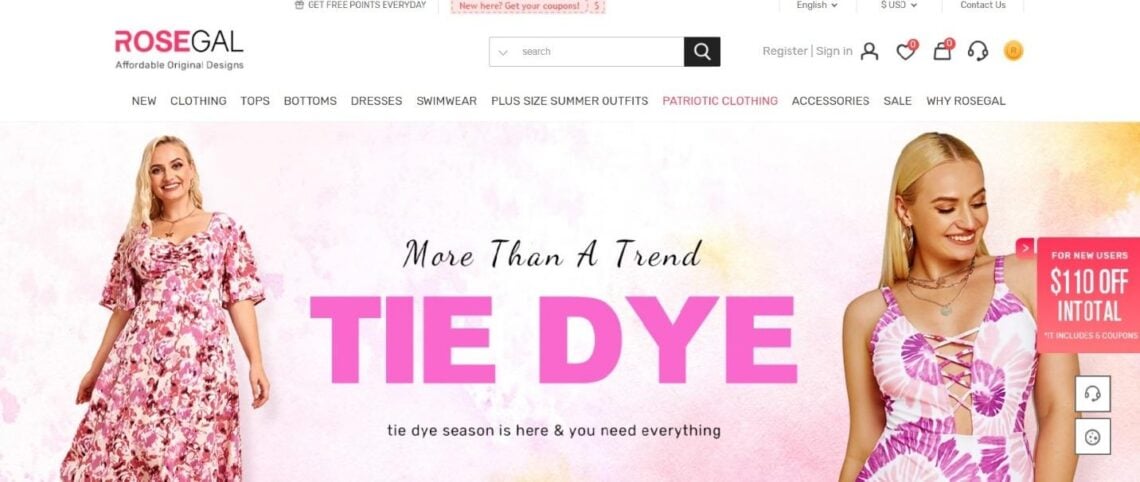
Affiliate fashion programs have become a significant tool for both fashion brands and influencers, offering a unique avenue for growth and expansion. These programs leverage the power of online marketing, connecting brands with a wider audience through trusted voices and platforms. However, like any marketing strategy, affiliate programs have inherent advantages and disadvantages.
Advantages for Fashion Brands
Affiliate programs offer fashion brands a cost-effective method to expand their reach beyond their direct sales channels. They allow for targeted marketing campaigns by partnering with influencers and bloggers who already have engaged audiences within specific fashion niches. This approach can be significantly more effective than traditional advertising, as it leverages the trust and credibility of the affiliate.
- Increased Brand Visibility: Partnerships with influencers can expose a brand to a vast network of potential customers, significantly expanding brand awareness and recognition.
- Targeted Marketing: Brands can collaborate with affiliates specializing in particular fashion styles (e.g., streetwear, luxury), ensuring their marketing efforts reach the most relevant audience segments.
- Cost-Effectiveness: Affiliate programs typically operate on a commission-based model, reducing the upfront marketing costs for brands compared to traditional advertising campaigns.
- Improved Sales Conversions: Affiliates often possess strong relationships with their audience, fostering trust and encouraging purchases from their recommendations. This can significantly increase sales conversion rates.
Advantages for Fashion Influencers/Bloggers/Retailers
Affiliate programs provide a valuable revenue stream for fashion influencers and bloggers, allowing them to monetize their online presence and expertise. This creates a mutually beneficial relationship where influencers promote products to their engaged audience, driving sales and earning commissions. Retailers can also participate as affiliates, broadening their reach and attracting new customers.
- Additional Income Stream: Affiliate programs provide a supplementary income source for fashion influencers and bloggers, allowing them to earn commissions on sales generated through their recommendations.
- Increased Engagement: Promoting products through affiliate links can increase audience engagement and interaction, fostering a stronger relationship between the affiliate and their followers.
- Enhanced Credibility: Promoting products aligned with their personal style and values can enhance the credibility of the influencer and build trust with their audience.
- Exposure to New Products: Affiliates gain access to new fashion products and brands, which can inspire new content ideas and keep their audience engaged.
Disadvantages for Fashion Brands
While affiliate programs offer significant advantages, there are potential downsides for fashion brands. Managing multiple affiliate partnerships and ensuring consistent quality across various platforms can be challenging. There’s also the risk of negative publicity if an affiliate’s promotion damages the brand’s image or reputation.
- Loss of Control Over Messaging: Brands have limited control over the specific way affiliates present their products. This can lead to inconsistencies in messaging or brand representation.
- Difficulty in Tracking Performance: Monitoring the effectiveness of different affiliates and campaigns can be complex, requiring robust tracking systems and data analysis.
- Potential for Fraudulent Activity: Brands need to implement measures to prevent fraudulent activity, such as fake reviews or inflated sales figures.
- Managing Multiple Partnerships: Coordinating with numerous affiliates, especially in diverse niches, can be time-consuming and resource-intensive.
Disadvantages for Fashion Influencers/Bloggers/Retailers
Affiliates also face challenges in the affiliate program ecosystem. Competition for visibility and brand partnerships can be intense. There’s also the risk of alienating followers if recommendations are perceived as inauthentic.
- Competition from Other Affiliates: The fashion industry is highly competitive, and securing valuable partnerships can be challenging due to numerous competing influencers.
- Maintaining Authenticity: Maintaining a genuine and authentic connection with their audience is crucial, and promoting products that don’t align with their values can damage their reputation.
- Risk of Brand Mismatch: Promoting products that don’t align with their personal style or target audience can negatively affect engagement and brand loyalty.
- Fluctuation in Income: Affiliate income can fluctuate depending on sales performance and the number of affiliate partners a retailer or influencer has.
Pros and Cons Table
| Fashion Niche | Pros (Brands) | Cons (Brands) | Pros (Affiliates) | Cons (Affiliates) |
|---|---|---|---|---|
| Luxury | Premium brand visibility, high-value sales | Potential for reputational damage if partnership is misaligned, high commission rates | High earning potential, prestige associated with luxury brands | Maintaining luxury image, potential for low engagement from luxury brand products |
| Streetwear | Reach a younger demographic, innovative marketing strategies | Difficulty in managing diverse style, potential for misaligned representation | Authenticity in representing style, increased engagement from younger demographic | Keeping up with trends, dealing with potential counterfeiting |
| Plus-Size Fashion | Reaching a broader market, increasing inclusivity | Potential for limited affiliate options, need for diverse representation | Creating a niche audience, promoting body positivity | Maintaining an inclusive approach, potential for brand misalignment |
Key Strategies for Success
Building a successful fashion affiliate program requires a multifaceted approach, encompassing strategies for attracting and retaining affiliate partners, and effectively promoting the program to potential participants. A well-structured program fosters a mutually beneficial relationship between the brand and its affiliates, driving increased sales and brand visibility.A crucial aspect of success lies in understanding the needs and motivations of potential affiliates.
Tailoring the program to meet these needs is essential for attracting high-performing partners. Furthermore, ongoing communication and support are vital for maintaining affiliate engagement and maximizing their potential.
Attracting Affiliate Partners
Understanding the motivations of fashion enthusiasts is key to attracting and retaining successful affiliates. Fashion affiliates are often driven by a passion for the industry, a desire to build their personal brand, and a strong interest in generating income. Attracting the right partners is paramount.
- Highlighting Commission Structure: Clearly outlining the commission structure and payment terms is essential. A transparent and competitive commission structure is a powerful incentive for potential affiliates. For example, tiered commission structures can be appealing, where higher sales volume leads to increased commissions.
- Providing High-Quality Resources: Offer comprehensive resources to support affiliate partners. This includes access to high-quality product images, detailed product descriptions, marketing materials, and ongoing training. Affiliates will be more motivated and successful when they have the tools to excel.
- Building a Strong Brand Identity: A strong brand identity resonates with affiliates who share similar values and aesthetic preferences. Highlighting the brand’s unique selling propositions, values, and target audience will attract like-minded partners.
Retaining Affiliate Partners
Maintaining a strong relationship with existing affiliates is critical for long-term success. Effective communication, timely support, and recognition of achievements are crucial for fostering a sense of loyalty and partnership.
- Consistent Communication: Maintaining open and consistent communication with affiliates through regular newsletters, updates, and direct engagement builds trust and fosters a collaborative spirit. Regular communication about new product releases, marketing campaigns, and performance updates is vital.
- Recognizing Achievements: Acknowledging and rewarding affiliate partners’ successes, through public recognition or special incentives, fosters a sense of appreciation and motivates them to continue their efforts. This could involve featuring high-performing affiliates on the website or offering exclusive perks.
- Offering Exclusive Perks: Providing exclusive access to early product previews, sneak peeks at upcoming collections, or exclusive discounts for their followers builds loyalty and encourages ongoing participation. These perks can increase affiliate engagement and strengthen the relationship.
Promoting Affiliate Programs
Reaching out to the right audience is essential for successful affiliate program promotion. A well-defined strategy, leveraging diverse channels, is vital for reaching potential participants.
| Marketing Channel | Description | Example |
|---|---|---|
| Social Media Marketing | Leveraging platforms like Instagram, Facebook, and Pinterest to showcase the program’s benefits and highlight affiliate successes. | Running targeted ads on Instagram showcasing affiliate spotlights and featuring testimonials from successful affiliates. |
| Email Marketing | Utilizing email campaigns to directly communicate with potential affiliates about the program’s benefits, commission structure, and available resources. | Sending targeted email newsletters highlighting new products and opportunities for affiliate promotion. |
| Industry Events and Conferences | Participating in fashion-related events to network with potential affiliates and showcase the program’s offerings. | Setting up a booth at fashion trade shows and conferences to engage with potential affiliates face-to-face. |
| Influencer Marketing | Collaborating with fashion influencers to promote the affiliate program to their audience and showcase the benefits. | Partnering with fashion bloggers or social media personalities to review products and promote the affiliate program. |
| Online Forums and Communities | Engaging with online fashion communities and forums to share information about the affiliate program and connect with potential affiliates. | Participating in online fashion forums and groups to provide insights and answer questions about the affiliate program. |
Amazon Affiliate Programs in Fashion
Amazon’s affiliate program offers a significant opportunity for fashion enthusiasts and businesses to monetize their online presence. This program allows individuals and businesses to earn commissions by promoting fashion products on Amazon’s vast platform. Understanding its specifics, advantages, and potential pitfalls is crucial for maximizing its effectiveness.Amazon’s affiliate program, while a powerful tool for fashion promotion, presents a unique landscape compared to dedicated fashion affiliate programs.
Its vast product selection and established customer base offer unparalleled reach, but this comes with specific requirements and considerations that fashion affiliates must understand. This section will delve into the intricacies of Amazon’s fashion affiliate program, comparing it to other programs, highlighting its strengths and weaknesses, and outlining successful strategies.
Comparison with Other Fashion-Specific Affiliate Programs
Fashion-specific affiliate programs often cater to niche markets within the broader fashion industry. These programs may focus on sustainable fashion, luxury goods, or specific clothing styles, offering more targeted opportunities. Amazon’s affiliate program, conversely, provides access to a broader range of fashion products, but the competition for visibility can be fierce. The key differentiator lies in the scale and scope; Amazon encompasses a huge selection, while specialized programs focus on specific segments.
Advantages of Using Amazon’s Affiliate Program
Amazon’s vast inventory allows affiliates to promote a wide array of fashion products, from everyday wear to designer labels. This broad selection potentially increases earning potential and diversifies promotional strategies. Furthermore, Amazon’s established customer base and trusted brand recognition can significantly impact conversions. The existing infrastructure for order fulfillment and customer service further simplifies the process for affiliates.
Disadvantages of Using Amazon’s Affiliate Program
Competition among Amazon affiliates is exceptionally high, necessitating innovative strategies for product promotion and audience engagement. High commission rates for popular products can create intense pressure to promote these over less lucrative options. Moreover, Amazon’s algorithms can affect visibility, potentially impacting the success of an affiliate’s marketing efforts.
How Amazon’s Affiliate Program Works in Fashion
Amazon’s affiliate program operates on a commission-based structure. Affiliates receive a percentage of the sale price for each product purchased through their unique referral link. For fashion products, this commission structure remains the same, but the specific percentage varies depending on the product and Amazon’s internal policies. The affiliate’s unique link is essential for tracking sales and earning commissions.
Procedures for Fashion Brands to Integrate into Amazon’s Affiliate Network
Fashion brands seeking to participate in Amazon’s affiliate program must create a seller account and register for the program. They then need to ensure their product listings are optimized for search visibility. Crucially, these listings must adhere to Amazon’s policies regarding product descriptions, images, and pricing. Thorough understanding of Amazon’s guidelines is vital for successful integration.
Common Mistakes to Avoid
One common error is neglecting optimization. Failing to incorporate relevant s in product descriptions and promotions can severely limit visibility. Another pitfall is neglecting the importance of high-quality product images and compelling descriptions. Finally, ignoring Amazon’s terms of service and community guidelines can result in account suspension.
Examples of Successful Amazon Fashion Affiliate Partnerships
| Affiliate | Fashion Brand | Strategies |
|---|---|---|
| FashionInfluencerA | SustainableFashionCo | Highlighting sustainable and ethical aspects of the brand |
| StyleBloggerB | LuxuryBrandX | Utilizing high-quality visuals and detailed product descriptions |
| TrendAnalystC | ContemporaryLabelY | Promoting products aligned with current fashion trends |
These examples illustrate how successful partnerships focus on niche markets and effective promotion strategies. These approaches align with specific fashion trends and brand identities, enhancing visibility and conversion rates.
Measuring Performance and Tracking
Understanding the performance of your affiliate fashion program is crucial for optimization and maximizing returns. Effective tracking and analysis allow you to identify successful strategies, pinpoint areas for improvement, and ultimately increase revenue. This section delves into the key metrics, tracking methods, and the importance of data visualization for a successful affiliate program.
Key Performance Indicators (KPIs)
Tracking the performance of an affiliate fashion program hinges on identifying the right metrics. Critical KPIs include click-through rates (CTRs), conversion rates, average order value (AOV), and return on investment (ROI). These metrics provide a comprehensive view of campaign effectiveness, helping you to evaluate the performance of individual affiliates and overall program success. For example, a high CTR indicates strong affiliate engagement, while a high conversion rate suggests effective marketing materials and compelling offers.
Tracking Affiliate Performance and Sales Conversions
Detailed tracking of affiliate performance and sales conversions is essential for identifying top performers and improving campaign strategies. This involves monitoring key metrics such as the number of clicks, impressions, and conversions generated by each affiliate. Tools are available to track affiliate links, allowing you to see which affiliates are driving the most traffic and sales.
Importance of Analytics in Optimizing Affiliate Fashion Campaigns
Analytics play a pivotal role in optimizing affiliate fashion campaigns. By analyzing data, you can identify trends, patterns, and areas for improvement. For example, understanding which marketing channels are performing best allows you to allocate resources effectively. Data-driven decisions enable you to adjust strategies in real-time, improving the overall program’s performance. Regular analysis and adjustments to strategies are vital to maintaining success in the dynamic fashion industry.
Data Visualization Examples
Data visualization is a powerful tool for understanding affiliate performance. Visual representations, such as line graphs, can showcase the trends in sales over time. Bar graphs can effectively compare the performance of different affiliates. Pie charts can illustrate the breakdown of sales across various product categories. These visualizations allow you to quickly grasp key insights and identify areas needing attention.
For instance, a line graph showing declining sales in a particular product category might prompt an investigation into potential issues like stock shortages or ineffective marketing.
Tracking Tools and Software
This table Artikels various tracking tools and software options available for affiliate fashion programs.
| Tool/Software | Description | Key Features |
|---|---|---|
| Google Analytics | A comprehensive web analytics platform | Tracking website traffic, user behavior, and conversion rates. Excellent for understanding overall campaign performance and user engagement. |
| ClickMagick | A dedicated affiliate marketing platform | Provides robust tools for managing affiliates, tracking performance, and analyzing campaign data. Ideal for businesses seeking advanced affiliate management features. |
| CJ Affiliate | A leading affiliate network | Facilitates connections with a wide range of affiliates. Offers robust tracking and reporting tools for campaign management. |
| ShareASale | Another major affiliate network | Provides a platform for connecting with numerous affiliates. Offers tools for managing and tracking campaigns. |
| Awin | Global affiliate marketing platform | Offers a broad range of tools for tracking and analyzing affiliate performance. Excellent for businesses with a global reach. |
Legal and Ethical Considerations
Affiliate marketing, particularly in the fashion industry, necessitates a strong ethical foundation and adherence to legal regulations. Navigating these considerations is crucial for building trust with consumers and maintaining a sustainable business model. Failure to comply with these guidelines can result in penalties and damage to your brand reputation.Understanding the legal and ethical landscape is paramount for success.
This section details the key areas of concern and provides practical advice for ethical and compliant affiliate marketing practices.
Relevant Regulations and Compliance Issues
Various regulations govern affiliate marketing across different jurisdictions. These regulations often address disclosure requirements, consumer protection, and advertising standards. Failure to adhere to these regulations can result in penalties or legal action. Understanding the specific regulations in your target market is essential. For instance, in the European Union, the Consumer Rights Directive impacts how businesses interact with consumers, and this has implications for affiliate marketing.
Disclosure Requirements for Fashion Affiliate Marketers
Full and transparent disclosure is critical in affiliate marketing. Affiliate marketers must clearly and conspicuously disclose their relationship with the brands they promote. This disclosure should include any potential conflicts of interest or financial incentives. This includes clearly labeling sponsored content, reviews, and promotions.
- Disclosing any financial incentives or compensation received for promoting products is vital. This includes commissions, discounts, or free products.
- Clearly identifying sponsored content or promotional materials, distinguishing them from independent reviews, is essential for maintaining transparency.
- Using appropriate language and formatting for disclosures is important to ensure readability and understanding by consumers. This includes using easily visible language and avoiding obfuscation techniques.
Ethical Guidelines for Fashion Affiliate Marketers
Maintaining ethical standards is crucial for building trust and long-term success in the fashion affiliate marketing space. Following these guidelines fosters credibility and a positive brand image.
- Providing honest and unbiased reviews of products is a fundamental ethical guideline. Avoid exaggerating or misrepresenting product qualities to attract customers. Reviews should be genuine reflections of personal experiences.
- Respecting intellectual property rights is important. Avoid using copyrighted images or branding without permission. This includes adhering to trademark guidelines and avoiding any misleading or confusing representations.
- Avoiding misleading or deceptive practices is vital. This includes refraining from creating false scarcity or manipulating consumer behavior. Accurate product descriptions and honest representations are key.
Best Practices for Transparent and Ethical Marketing
Implementing best practices for transparent and ethical marketing will help build trust and credibility.
- Using clear and concise language in your marketing materials is important. Avoid ambiguous or misleading statements. Transparency and honesty are vital in building customer trust.
- Using high-quality images and videos of products is important for building credibility. Authenticity and realism are critical for affiliate marketing in the fashion industry.
- Responding to consumer inquiries promptly and professionally demonstrates a commitment to customer satisfaction. Building relationships with customers and responding to feedback appropriately will help build trust and a loyal customer base.
Case Studies of Successful Fashion Affiliate Programs
Affiliate marketing in the fashion industry has witnessed remarkable growth, driven by the increasing demand for online shopping and the effectiveness of influencer collaborations. Understanding successful strategies employed by leading brands can offer valuable insights for aspiring affiliate marketers and fashion businesses seeking to leverage this powerful channel.Successful affiliate programs demonstrate a deep understanding of consumer behavior and effective promotion tactics.
They are not just about driving traffic; they are about fostering genuine connections with customers and building a loyal following. These programs leverage the trust and credibility of affiliate partners to effectively introduce products and brands to potential customers.
Examples of Successful Fashion Affiliate Programs
A variety of fashion brands have successfully implemented affiliate programs. Their success is multifaceted, incorporating various strategies, including influencer marketing, content creation, and strategic partnerships. By understanding these elements, aspiring affiliates can tailor their approach to specific niche markets and brand personalities.
Program Structure and Promotion Strategies
| Brand | Program Structure | Promotion Strategies | Results |
|---|---|---|---|
| Everlane | Everlane’s affiliate program emphasizes transparency and a strong brand voice. They offer competitive commissions and provide clear guidelines for affiliate marketing efforts. | Partnerships with fashion bloggers and influencers known for their ethical and sustainable product reviews. Focus on high-quality content creation that emphasizes Everlane’s brand values. | Significant increase in website traffic and sales, resulting in strong brand visibility and a loyal customer base. The program cultivated trust and credibility with consumers. |
| ASOS | ASOS’s program leverages a comprehensive platform with various affiliate tools and resources. It provides extensive training materials and ongoing support for affiliates. | A broad range of affiliate marketing channels, including social media campaigns, email marketing, and content marketing. Extensive product information and detailed affiliate dashboards provide support for promotion. | High-volume affiliate sales and increased brand visibility among a broad consumer base. Strong focus on user-friendly tools to drive efficiency. |
| REI | REI’s affiliate program is focused on outdoor and adventure gear. They offer attractive commission structures and tools for promoting their specific products. | Strategic partnerships with outdoor enthusiasts and adventure bloggers. Emphasis on high-quality content showcasing the product features and benefits in real-world scenarios. | Significant growth in sales and a strong community engagement. Program effectively targeted a specific niche market, resulting in strong results. |
Impact on Brand Sales and Visibility
These successful programs showcase how affiliate marketing can positively impact brand sales and visibility. The impact is not solely measured in monetary terms; it also encompasses the creation of a loyal customer base and a strong brand image. Increased brand awareness and consumer engagement are significant outcomes of successful affiliate marketing.
“Successful affiliate programs are not just about driving sales; they’re about building relationships and fostering trust.”
This trust leads to a higher conversion rate and long-term brand loyalty.
Closure
In conclusion, fashion affiliate programs offer a powerful avenue for brands to expand their reach and for influencers to monetize their expertise. By understanding the nuances of different program types, strategic partnerships, and performance measurement, you can optimize your fashion affiliate campaigns for maximum impact. We’ve covered the key aspects, from the initial setup to long-term success metrics, providing a roadmap for success within the ever-evolving fashion affiliate landscape.
FAQs
What are the common mistakes to avoid when using Amazon’s affiliate program for fashion?
Failing to properly research and select products that align with your audience, neglecting to create high-quality content around the products, and lacking clear disclosure of affiliate links are common pitfalls. Thorough product research, compelling content creation, and transparent affiliate link disclosure are crucial.
What metrics are used to measure the success of affiliate fashion programs?
Key metrics include click-through rates, conversion rates, sales generated, and return on investment (ROI). Analyzing these metrics provides valuable insights into program effectiveness and areas for improvement.
What are some ethical considerations in fashion affiliate marketing?
Transparency and disclosure are paramount. Affiliates must clearly disclose their relationships with brands and avoid misleading or deceptive practices. Honesty and integrity are essential for building trust and maintaining long-term success.
How do I choose the right affiliate program for my fashion niche?
Consider factors like commission rates, program structure, brand alignment, and your target audience. Thorough research and careful evaluation will help you select a program that aligns with your goals and maximizes your potential for success.