April 16, 2026

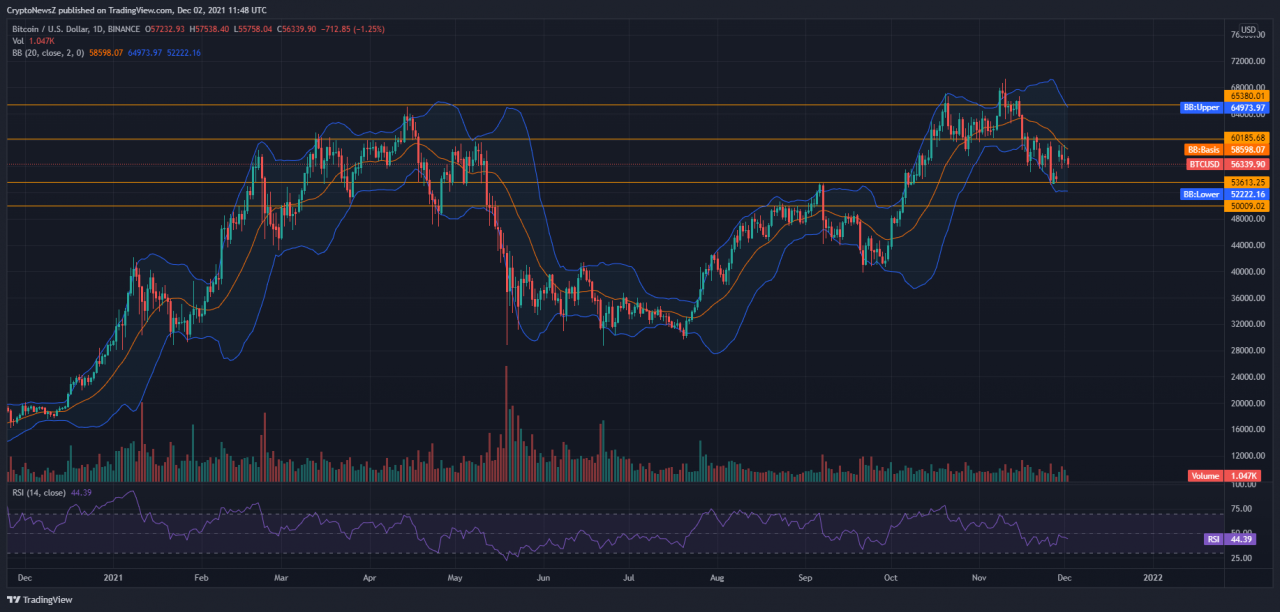
Kicking off with bitcoin yearly chart, it’s fascinating to explore how Bitcoin’s price evolves over time and what that means for investors. By examining yearly trends, we can gain valuable insights into market behavior, volatility, and potential future trajectories.

The yearly chart serves as a comprehensive tool for interpreting Bitcoin’s performance, revealing key components like price movements, historical highs and lows, and the impact of significant events. Understanding these factors is crucial for anyone looking to navigate the ever-changing landscape of cryptocurrency investment.

Understanding Bitcoin Yearly Chart

Bitcoin yearly chart

The Bitcoin yearly chart serves as a vital tool for traders and investors, providing insights into the cryptocurrency’s price movements over an entire year. By analyzing this chart, individuals can better understand market trends, identify potential investment opportunities, and make informed decisions based on historical performance.The components of a yearly Bitcoin chart include the price axis, time axis, and various indicators that can highlight significant price movements and trends.

Each year, the chart reflects the opening price, closing price, highest price, and lowest price within that period. Candlestick patterns are often employed to visualize price fluctuations, with green candles indicating price rises and red candles showing declines.

Interpreting Price Movements and Trends

Understanding how to interpret the yearly price movements on a Bitcoin chart is crucial for recognizing trends. The price movements can reveal patterns such as bullish or bearish trends, consolidation phases, and breakout points. Traders typically look for specific indicators to help interpret these movements, including:

  • Support and Resistance Levels: These are significant price points where Bitcoin tends to change direction. Support refers to a price level where buying interest is strong enough to prevent the price from dropping further, while resistance indicates a price level where selling interest is strong.
  • Moving Averages: A common method of smoothing out price data over a specific period, moving averages can help identify trends. For example, a 50-day moving average can provide insight into the medium-term price trend.
  • Volume Analysis: Analyzing trading volume alongside price movements can indicate the strength of a trend. A price increase accompanied by high volume typically signals a strong bullish trend, while low volume during a price rise may suggest weakness.

The significance of different time frames is essential in analyzing Bitcoin’s yearly performance. While the yearly chart provides a broad view of price movements, shorter time frames, such as monthly or weekly charts, can offer detailed insights into more immediate trends and reversals. By comparing these time frames, traders can develop a comprehensive understanding of the market dynamics.

“A comprehensive analysis of both long-term trends and short-term movements is key to successful trading in Bitcoin.”

For instance, if the yearly chart shows a strong upward trend, and the monthly chart begins to show signs of consolidation, traders may interpret this as a potential signal for market correction or a temporary pause before the trend continues. Additionally, significant events, such as regulatory changes or macroeconomic factors, can greatly influence price movements and should be considered alongside chart analysis for a more nuanced understanding of Bitcoin’s yearly performance.

Historical Performance of Bitcoin

Bitcoin has experienced significant fluctuations since its inception, making its historical performance a crucial area of study for investors and enthusiasts alike. Analyzing the yearly performance of Bitcoin over the past five years provides insights into its volatility, growth trends, and the effects of various global events on its price trajectory.Understanding the impact of major events on Bitcoin’s price offers a clearer perspective on its resilience and the market’s responses.

Certain incidents, such as regulatory announcements, technological advancements, and macroeconomic factors, have historically influenced Bitcoin’s valuation significantly. This section will delve into these dynamics while providing a comparative overview of Bitcoin’s yearly highs and lows.

Yearly Performance Comparison (2018-2022)

The yearly performance of Bitcoin can be evaluated through the following table, which Artikels the highs and lows of each year, reflecting the volatility and growth of the cryptocurrency.

Year Yearly High (USD) Yearly Low (USD)
2018 $13,880 $3,194
2019 $13,880 $3,194
2020 $29,000 $3,850
2021 $64,400 $28,800
2022 $48,000 $15,500

The table clearly shows the stark contrast in Bitcoin’s yearly highs and lows, particularly between 2018 and 2021. In 2018, Bitcoin was recovering from its all-time high in late 2017, leading to a bearish market that saw prices drop significantly. However, 2020 marked the beginning of a new bullish trend, likely spurred by increased institutional interest and the macroeconomic impact of the COVID-19 pandemic.

“Bitcoin’s price volatility often reflects broader market sentiments and macroeconomic trends.”

The rise in 2021 to a peak of $64,400 is indicative of a heightened interest in cryptocurrencies, driven by factors like increased media attention, mainstream adoption, and the inflow of institutional investment. Conversely, the descent in 2022 highlighted the effects of regulatory scrutiny and market corrections as the crypto market faced challenges that led to a significant drop in prices.

Such fluctuations illustrate the inherent risks and opportunities within the cryptocurrency space, making it essential for investors to remain informed and cautious.

Technical Indicators in Yearly Charts

In the analysis of Bitcoin’s yearly chart, technical indicators play a crucial role. They help traders identify trends, make informed decisions, and predict future price movements. By utilizing these indicators, one can gain insight into the overall health and potential trajectory of Bitcoin’s market performance over a year.Moving averages are particularly significant in understanding yearly price trends. They smooth out price data to create a trend-following indicator, making it easier to see the direction in which Bitcoin’s price is moving over time.

Traders often use various types of moving averages, including the Simple Moving Average (SMA) and the Exponential Moving Average (EMA), to evaluate where the price might be heading in the future.

Key Technical Indicators

Several technical indicators are commonly used alongside yearly Bitcoin charts. Each indicator provides specific insights into market conditions and price trends. Understanding these indicators can enhance trading strategies and improve market analysis.

  • Moving Averages (MA): These indicators help identify the direction of the trend over a specified period. A common practice is to observe the 200-day and 50-day MAs to gauge long-term and short-term trends.
  • Relative Strength Index (RSI): RSI measures the speed and change of price movements, indicating overbought or oversold conditions. An RSI above 70 often suggests that Bitcoin may be overbought, while below 30 indicates oversold conditions.
  • MACD (Moving Average Convergence Divergence): This indicator shows the relationship between two moving averages of Bitcoin’s price. The MACD is calculated by subtracting the 26-period EMA from the 12-period EMA, providing insights into momentum shifts.
  • Bollinger Bands: These bands consist of a middle band (SMA) and two outer bands, which indicate volatility. When the price approaches the upper band, it may suggest overbought conditions, while the lower band may indicate oversold conditions.
  • Volume Indicators: Volume analysis is essential as high trading volume usually confirms trends. An increase or decrease in volume can help validate price movements, indicating strength or weakness.

“Technical indicators serve as valuable tools for traders seeking to analyze Bitcoin’s price movements and make informed investment decisions.”

Volatility Analysis

Bitcoin’s historical trajectory has been marked by significant volatility, which is a critical aspect for investors to consider. Understanding the patterns of Bitcoin’s price fluctuations can offer insights into potential investment strategies and risk management. Yearly volatility not only reflects the past performance of Bitcoin but also provides guidance for future expectations.Measuring and visualizing Bitcoin’s volatility over the years can be accomplished through various methods, including standard deviation, average true range, and Bollinger Bands.

Each of these methods contributes to a comprehensive understanding of price movements and can help investors gauge the risk associated with Bitcoin investments.

Measuring Volatility

Several common methods are implemented to measure Bitcoin’s volatility, which can be represented visually on yearly charts. These methods include:

  • Standard Deviation: This statistical measure quantifies the amount of variation or dispersion in Bitcoin’s price relative to its average price. A higher standard deviation indicates greater volatility.
  • Average True Range (ATR): ATR assesses market volatility by measuring the range between the high and low prices over a specified period, providing a clearer picture of daily price movements.
  • Bollinger Bands: This technique utilizes a moving average and two standard deviations to create bands around the price. When the price approaches the upper band, it indicates high volatility, while proximity to the lower band suggests lower volatility.

In addition to these methods, it is valuable to present a summary of Bitcoin’s yearly volatility statistics to illustrate trends over time. The following table showcases the volatility of Bitcoin over the past decade, demonstrating how price fluctuations have changed.

Yearly Volatility Statistics for Bitcoin (2013-2022)
Year Annual Return (%) Standard Deviation (%) Average True Range (Daily) ($)
2013 5,507 300 85
2014 -58 150 45
2015 35 120 30
2016 120 100 25
2017 1,318 200 75
2018 -73 130 40
2019 92 110 35
2020 305 180 60
2021 59 160 50
2022 -64 140 55

The table illustrates the dramatic swings in Bitcoin’s annual returns and volatility metrics, highlighting the inherent risk and potential reward of investing in this cryptocurrency. Investors must carefully consider these factors when making decisions, as higher volatility often correlates with higher opportunities for profit, but also with increased risk.

Future Predictions Based on Yearly Trends

The historical performance of Bitcoin provides a rich tapestry that can inform future price predictions. By analyzing yearly trends, investors and enthusiasts can gain insights into potential price movements and market behavior. Bitcoin’s price has shown patterns of volatility, recovery, and growth, suggesting that understanding these trends can aid in forecasting future scenarios.Historical yearly trends are essential in forming projections for Bitcoin’s price, as they often reflect broader market cycles, investor behavior, and external economic factors.

For instance, Bitcoin has experienced significant bull markets followed by corrections, indicating cyclical patterns that may re-emerge. These patterns can be useful in hypothesizing future price movements based on similar conditions.

Hypothetical Future Price Scenarios

Creating hypothetical scenarios based on past performance allows us to visualize potential price trajectories for Bitcoin. The following table illustrates various future price movements, drawing parallels with historical yearly trends:

Year Historical Price Movement Hypothetical Price Prediction Market Sentiment Factor
2024 +100% from previous year $80,000 Bullish due to institutional adoption
2025 Market correction -30% $56,000 Caution as regulations increase
2026 Recovery +70% $95,000 Renewed investor confidence
2027 Stabilization +10% $104,500 Market maturity leads to steadiness

This table Artikels various hypothetical scenarios where Bitcoin’s price could move based on past performance, illustrating the impact of market sentiment on these trajectories. The importance of sentiment cannot be overstated, as it often dictates investor behavior and market dynamics.Market sentiment plays a crucial role in shaping future price movements. Positive sentiment, fueled by news of institutional investments, technological advancements, or favorable regulations, can lead to price surges.

Conversely, negative sentiment, typically driven by regulatory scrutiny, security concerns, or macroeconomic factors, can trigger sell-offs and market corrections. A notable example includes the price rally in late 2020 when institutional interest surged, culminating in Bitcoin reaching unprecedented highs. The ensuing volatility in 2021, driven by regulatory news and market speculation, further exemplifies how sentiment impacts price dynamics. In summary, while historical trends provide a framework for future price predictions, the role of market sentiment is pivotal in determining actual outcomes.

Understanding this interplay is vital for investors and analysts alike as they navigate the ever-evolving landscape of Bitcoin.

Investment Strategies Using Yearly Charts

Yearly Bitcoin charts provide a broad perspective on market trends, allowing investors to develop informed strategies. By analyzing price movements over an extended period, investors can identify patterns and make strategic decisions. These charts not only reflect past performance but also help in forecasting future trends, which is crucial to formulating effective investment strategies.

Diverse Investment Strategies

Utilizing yearly Bitcoin charts allows for various investment strategies based on historical performance and trend analysis. Here are effective strategies investors can implement:

  • Buy and Hold Strategy: Many investors use a buy and hold strategy, capitalizing on the long-term growth potential of Bitcoin. By analyzing yearly trends, investors can identify optimal entry points, often purchasing during market dips and holding through volatility to benefit from long-term appreciation.
  • Dollar-Cost Averaging: This strategy involves consistently investing a fixed amount in Bitcoin over time, regardless of market conditions. Yearly charts help investors understand price fluctuations and choose effective intervals for their investments.
  • Trend Following: Investors can adopt a trend-following approach, buying Bitcoin when it is in an upward trend and selling during downward trends. Yearly charts provide insights into these trends, indicating when to enter or exit positions based on historical price movements.
  • Rebalancing Portfolio: Based on yearly performance data, investors may decide to rebalance their portfolios to maintain desired risk levels. This approach may involve reducing Bitcoin holdings after a significant price increase or increasing them during corrections.

Setting Investment Goals Based on Yearly Performance

Establishing clear investment goals is crucial for success in Bitcoin investing. By reviewing yearly performance data, investors can tailor their objectives to realistic and achievable targets.

1. Define Target Returns

Analyze past yearly returns to set realistic target returns. For instance, if Bitcoin has historically grown by an average of 100% annually, investors could aim for returns in line with this average, adjusting for their risk tolerance.

2. Time Horizon Consideration

Evaluate how long you plan to hold your investment. If the yearly chart indicates a strong bullish trend, setting long-term goals may be beneficial. Conversely, if the chart shows volatility, shorter-term goals may be more appropriate.

3. Diversification Goals

Based on yearly performance data, decide on the proportion of your portfolio to allocate to Bitcoin versus other assets. Historical data can guide how much risk you are willing to take based on past performance.

Risk Management Techniques Related to Yearly Chart Analysis

Effective risk management is essential when investing in Bitcoin, given its price volatility. Utilizing yearly charts can aid in risk assessment and management. Investors should consider the following techniques:

  • Setting Stop-Loss Orders: Automatically selling Bitcoin at predetermined price points can limit losses. Yearly charts help identify appropriate levels based on historical price support and resistance.
  • Position Sizing: Determining the size of your investment based on your risk tolerance is crucial. Yearly performance trends can inform how much to invest in Bitcoin compared to other assets in your portfolio.
  • Diversification Across Assets: Minimizing risk through diversification is key. Analyzing yearly performance helps in understanding how Bitcoin correlates with other investments and finding a balanced approach.
  • Regular Performance Review: Monitoring Bitcoin’s performance annually allows for timely adjustments to investment strategies. Reviewing yearly charts can highlight changes in market conditions that may necessitate a shift in strategy.

Comparison with Other Cryptocurrencies

The cryptocurrency market is diverse, with numerous digital assets influencing the overall landscape. Comparing Bitcoin’s yearly performance with other prominent cryptocurrencies provides insights into market dynamics, growth potential, and the overall health of the crypto ecosystem. This analysis is essential for investors who seek to understand how Bitcoin stacks up against its competitors.When evaluating Bitcoin alongside other cryptocurrencies, it is crucial to identify those with significant market capitalization and historical relevance.

Popular cryptocurrencies for this comparison include Ethereum (ETH), Binance Coin (BNB), and Cardano (ADA). Each of these cryptocurrencies has unique properties that can lead to differing performance trends over the years.

Similarities and Differences in Yearly Trends

Understanding the similarities and differences in yearly performance trends provides valuable insights into the behavior of Bitcoin and other cryptocurrencies. Below is a bullet point list highlighting key aspects of these comparisons:

  • Market Sentiment: Bitcoin often leads the market, with its price movements influencing the sentiment of other cryptocurrencies. Ethereum, for instance, tends to follow Bitcoin’s trends closely, reflecting similar patterns in bullish or bearish phases.
  • Volatility Levels: Bitcoin exhibits high volatility, but Ethereum and Binance Coin have also shown considerable price swings. However, Cardano generally experiences less volatility, reflecting its more stable growth approach.
  • Adoption Rates: Bitcoin has consistently maintained the highest adoption rate among cryptocurrencies. Ethereum’s smart contracts and DeFi applications have bolstered its usage, while Binance Coin’s utility on its exchange has driven its growth.
  • Technological Advances: Ethereum and Cardano have focused on technological upgrades (e.g., Ethereum’s transition to Proof of Stake), impacting their yearly performance positively. In contrast, Bitcoin has remained relatively stable, focusing on security and decentralization.
  • Market Capitalization: Bitcoin holds the largest market cap, setting a benchmark for performance. Other cryptocurrencies, while significant, tend to show lower market caps, leading to larger percentage gains or losses during market shifts.

When constructing a cryptocurrency portfolio, diversification is key. Relying solely on Bitcoin exposes investors to specific risks inherent to a single asset. Diversifying among various cryptocurrencies can mitigate risk and provide potential for higher returns. Investors can leverage yearly charts to analyze correlations between Bitcoin and other cryptocurrencies, helping to identify trends that can inform purchase and sell decisions.

“Diversification helps to spread risk and capitalize on varying performance trends across different cryptocurrencies.”

Overall, analyzing Bitcoin in the context of other cryptocurrencies not only enhances understanding but also aids in making informed investment choices tailored to market dynamics.

Conclusive Thoughts

In summary, the bitcoin yearly chart is not just a representation of past performance; it’s a roadmap that guides investors in making informed decisions. By analyzing trends, volatility, and other indicators, one can develop effective strategies to thrive in the crypto market.

Commonly Asked Questions

What is a bitcoin yearly chart?

A bitcoin yearly chart visually represents Bitcoin’s price movements and trends over the course of a year.

Why is analyzing the yearly chart important?

It helps investors identify trends, volatility, and potential future price movements, aiding in strategic decision-making.

How do major events affect the yearly chart?

Major events can lead to significant price fluctuations, which are often reflected as spikes or drops in the yearly chart.

What are some key indicators used in yearly charts?

Common indicators include moving averages, Relative Strength Index (RSI), and Bollinger Bands, among others.

How can I use the yearly chart for investment strategies?

By analyzing past performance and volatility, investors can set realistic goals and manage risks effectively.

Bitcoin treasury companies are reshaping the way businesses manage their corporate assets by integrating cryptocurrency into their financial strategies. This innovative approach not only provides a hedge against inflation but also opens up new avenues for financial growth and stability.

As more organizations recognize the potential of bitcoin, understanding the landscape of bitcoin treasury companies becomes essential. These companies play a crucial role in the evolving financial ecosystem, combining traditional treasury management practices with the unique opportunities presented by digital currencies.

Overview of Bitcoin Treasury Companies

Bitcoin treasury companies have emerged as crucial players within the digital asset ecosystem, focusing on the management and allocation of Bitcoin reserves for businesses and institutional investors. These entities primarily aim to optimize capital efficiency and enhance the financial strategies of companies holding Bitcoin as part of their treasury assets. Their purpose extends beyond mere storage; they involve strategic planning to leverage the asset’s potential for growth and value appreciation.The landscape of bitcoin treasury companies encompasses various key players, including specialized firms that provide advisory services, management platforms, and custodians that secure digital assets for clients.

Notable examples include companies like MicroStrategy, which has made headlines for its significant Bitcoin investments, and Square, which has incorporated Bitcoin into its balance sheet. Additionally, firms such as Coinbase and BitGo offer treasury management solutions that facilitate the safe handling and strategic utilization of Bitcoin.

Evolution of Treasury Management in Relation to Cryptocurrencies

The evolution of treasury management has seen a remarkable transformation with the advent of cryptocurrencies. Traditional treasury practices primarily focused on fiat currencies and physical assets, but the increasing adoption of Bitcoin and other digital assets has compelled companies to rethink their financial strategies. Businesses are now integrating Bitcoin into their cash management practices to hedge against inflation and currency devaluation.As the value of Bitcoin continues to fluctuate, organizations are adapting treasury management frameworks to include risk assessment tools and strategies tailored to the volatility inherent in cryptocurrencies.

This evolution emphasizes the need for robust regulatory compliance and security measures, as companies navigate the complexities of managing digital assets. The following points highlight the key aspects of the evolution of treasury management for Bitcoin:

  • Increased Adoption: More businesses are recognizing Bitcoin as a legitimate asset class, leading to its incorporation into corporate treasuries.
  • Risk Management Practices: Companies are developing specialized strategies to manage the risks associated with Bitcoin’s price volatility.
  • Integration with Traditional Systems: Efforts are being made to align Bitcoin treasury management with existing financial systems to ensure seamless operations.
  • Regulatory Environment: The evolving regulatory landscape is shaping how companies manage and report their Bitcoin holdings.

The integration of Bitcoin into treasury management practices signifies a pivotal shift in how companies approach financial management, reflecting a broader acceptance and understanding of digital assets within the corporate finance landscape.

Benefits of Holding Bitcoin in Treasury

In recent years, many companies have started to recognize the strategic advantages of holding Bitcoin as part of their treasury assets. Bitcoin, as a decentralized digital currency, offers unique financial benefits that traditional assets may not provide. By incorporating Bitcoin into corporate treasury strategies, companies can not only hedge against inflation but also enhance their overall financial performance.One of the primary benefits of holding Bitcoin is its potential for appreciation.

As Bitcoin has demonstrated significant price growth over the years, it can serve as a lucrative asset for companies looking to increase their cash reserves. Additionally, Bitcoin offers a degree of liquidity that is unmatched by other traditional assets, allowing companies to access their funds quickly when needed. Moreover, the decentralized nature of Bitcoin means that it is not subject to the same economic pressures that can affect fiat currencies, providing an additional layer of security.

Financial Impacts of Integrating Bitcoin into Treasury Strategies

The integration of Bitcoin into corporate treasury strategies can lead to several favorable financial impacts. Companies that adopt this approach can benefit from diversification, better risk management, and enhanced return potential. Some key financial effects include:

  • Inflation Hedge: As central banks print more money, the value of fiat currencies can decline. Bitcoin, with its limited supply, serves as a hedge against inflation, preserving purchasing power over time.
  • Asset Diversification: By holding Bitcoin alongside traditional assets like stocks and bonds, companies can reduce overall portfolio risk. This diversification can lead to more stable returns.
  • Potential for High Returns: The historical performance of Bitcoin has illustrated its capacity for substantial price appreciation, making it an attractive option for treasury management focused on growth.
  • Enhanced Liquidity: Bitcoin can be converted into cash quickly on various platforms, enabling companies to respond swiftly to investment opportunities or unexpected expenditures.

Companies that have successfully integrated Bitcoin into their treasury strategies include MicroStrategy and Tesla. MicroStrategy, a business intelligence firm, has made headlines for its substantial Bitcoin purchases, viewing it as a primary treasury reserve asset. As of late 2021, MicroStrategy held over 100,000 Bitcoin, reflecting its commitment to this strategy. Similarly, Tesla’s investment of $1.5 billion in Bitcoin not only diversified its assets but also showcased its belief in Bitcoin’s long-term value.In conclusion, as more companies recognize the benefits of holding Bitcoin in treasury, it is evident that the digital currency has the potential to reshape corporate finance strategies, providing both financial security and growth opportunities.

Risks Associated with Bitcoin Treasury Management

Holding Bitcoin in corporate treasuries can present a unique set of risks that differ significantly from traditional financial assets. As companies consider adding Bitcoin to their treasury strategies, understanding these risks is essential to ensure informed decision-making and effective risk management practices. The landscape of cryptocurrencies is dynamic, and corporate treasurers must navigate a variety of financial, regulatory, and market challenges.

Financial Risks of Holding Bitcoin

The financial risks associated with holding Bitcoin primarily revolve around its inherent price volatility and potential impacts on a company’s liquidity. Unlike traditional treasury assets such as cash, bonds, or even stocks, Bitcoin experiences significant price fluctuations. For instance, in 2021, Bitcoin’s price reached an all-time high of around $64,000 before plummeting to approximately $30,000 within months. These swings can lead to substantial unrealized losses or gains that impact a company’s financial statements and overall stability.

Furthermore, Bitcoin’s liquidity can be a concern. While it is more liquid than many cryptocurrencies, larger transactions can still lead to price slippage, which can adversely affect a company’s ability to convert Bitcoin back to fiat currency without incurring losses.

Regulatory Challenges Faced by Bitcoin Treasury Companies

Navigating the regulatory landscape is another significant risk factor for companies holding Bitcoin in their treasury. Regulatory uncertainty exists in many jurisdictions, including potential changes in laws regarding taxation, anti-money laundering (AML), and know-your-customer (KYC) policies. Companies may face scrutiny from regulatory bodies, which could impose fines or other penalties if non-compliance is detected. Additionally, the lack of standardized regulations can create confusion about compliance requirements, making it harder for businesses to operate confidently.

For instance, countries like China have imposed strict bans on cryptocurrency trading, creating challenges for businesses that may have invested heavily in Bitcoin and require access to the Chinese market.

Volatility Compared to Traditional Treasury Assets

When comparing Bitcoin’s volatility to traditional treasury assets, the differences are stark. Traditional assets like government bonds or cash equivalents typically exhibit much lower volatility, providing more predictable returns and lower risk profiles. For example, U.S. Treasury bonds have historically returned around 2-3% annually with minimal price fluctuations. In contrast, Bitcoin’s annualized volatility has been reported to exceed 80%.

This extreme volatility can pose risks not only in terms of financial stability but also in strategic planning and forecasting for businesses. Understanding this disparity is crucial for companies contemplating Bitcoin investments as part of their treasury management strategies, as it influences liquidity management, investment horizon, and overall risk appetite.

Best Practices for Bitcoin Treasury Companies

Current Bitcoin Holdings of Companies and ETFs (https ...

In the rapidly evolving landscape of digital assets, implementing best practices for managing Bitcoin within corporate treasuries is crucial. Companies venturing into Bitcoin must establish robust frameworks to handle these assets securely and strategically. This section Artikels essential procedures and methodologies that enhance the management of Bitcoin holdings while ensuring compliance with regulations.

Procedures for Managing Bitcoin Assets

Effective management of Bitcoin assets involves a series of structured procedures that ensure both accessibility and security. Companies should develop a detailed treasury management strategy that encompasses the following key components:

  • Asset Allocation Strategy: Define the proportion of Bitcoin to maintain relative to overall treasury assets, considering both liquidity needs and market conditions.
  • Regular Audits: Implement periodic internal audits to verify holdings and ensure that balances align with recorded data.
  • Liquidity Management: Establish clear protocols for converting Bitcoin to fiat or other assets, ensuring quick access to capital when needed.
  • Performance Monitoring: Track the performance of Bitcoin assets against benchmarks and adjust strategies accordingly to optimize returns.

Methods for Safeguarding Bitcoin Holdings

Protecting Bitcoin holdings from theft and hacking is paramount for treasury management. Implementing advanced security measures can mitigate risks significantly. Companies should adopt the following protective methods:

  • Cold Storage Solutions: Store the majority of Bitcoin holdings in offline wallets (cold wallets) to reduce exposure to online threats.
  • Multi-Signature Wallets: Utilize wallets that require multiple keys to authorize transactions, enhancing security by distributing access.
  • Regular Software Updates: Keep all software related to Bitcoin management updated to protect against vulnerabilities.
  • Security Training: Provide regular training for staff on security best practices, including phishing awareness and secure password management.

Importance of Compliance and Regulatory Adherence

Navigating the regulatory landscape is critical for Bitcoin treasury companies. Compliance not only builds trust with stakeholders but also mitigates legal risks. The following practices are essential for ensuring adherence to regulations:

  • Know Your Customer (KYC) Policies: Implement comprehensive KYC procedures to verify the identity of clients and partners engaging with the treasury.
  • Anti-Money Laundering (AML) Compliance: Establish AML protocols to detect and report suspicious activities, ensuring alignment with local laws.
  • Tax Compliance: Maintain accurate records of Bitcoin transactions for reporting purposes, adhering to applicable tax regulations.
  • Regular Regulatory Reviews: Continuously monitor and review regulatory changes that may impact treasury operations to ensure ongoing compliance.

“Establishing a comprehensive compliance framework is not just a regulatory obligation; it’s a strategic advantage in the cryptocurrency space.”

Case Studies of Notable Bitcoin Treasury Companies

The adoption of Bitcoin by treasury companies has been a significant trend in the corporate finance landscape. Several companies have successfully integrated Bitcoin into their treasury strategies, showcasing diverse approaches and outcomes. Analyzing these case studies can provide valuable insights into how Bitcoin can be utilized effectively while also highlighting potential pitfalls.

MicroStrategy’s Bold Bitcoin Strategy

MicroStrategy, a business intelligence firm, made headlines for its aggressive Bitcoin purchasing strategy. In 2020, the company began acquiring Bitcoin as a primary treasury reserve asset. By the end of 2021, MicroStrategy held over 124,000 BTC, valued at billions of dollars. The company’s strategy emphasizes Bitcoin as a hedge against inflation and a means to preserve value.

  • Investment Strategy: MicroStrategy invested in Bitcoin systematically, focusing on long-term holding rather than short-term trading. This strategy has allowed them to accumulate substantial holdings without being swayed by market volatility.
  • Outcomes: The significant appreciation of Bitcoin has led to substantial gains for MicroStrategy, enhancing its financial position and market capitalization.
  • Lessons Learned: The importance of a clear investment thesis and commitment to a long-term strategy are key takeaways from MicroStrategy’s approach.

Tesla’s Bitcoin Experimentation

Tesla, the electric vehicle manufacturer, made headlines in early 2021 when it invested $1.5 billion in Bitcoin. The company briefly accepted Bitcoin as payment for vehicle purchases, demonstrating its willingness to embrace digital currency.

  • Investment Strategy: Tesla’s strategy was more experimental compared to MicroStrategy’s. The company sought to explore the potential of Bitcoin while monitoring market dynamics.
  • Outcomes: After a surge in Bitcoin prices, Tesla reported significant gains from its investment. However, the company later suspended Bitcoin payments, citing environmental concerns, which illustrated the complexities involved in integrating cryptocurrency into traditional business models.
  • Lessons Learned: Companies must consider regulatory and ethical implications when adopting cryptocurrencies, as public perception and environmental factors can significantly impact business decisions.

Block.one’s Treasury Management Approach

Block.one, the company behind the EOSIO blockchain protocol, has incorporated Bitcoin into its treasury management strategy. It aims to diversify its asset portfolio while maintaining liquidity.

  • Investment Strategy: Block.one focuses on a balanced approach, strategically allocating resources across various cryptocurrencies, including Bitcoin, to minimize risk and volatility.
  • Outcomes: By diversifying its treasury, Block.one has been able to cushion against the inherent volatility of single assets, ensuring financial stability.
  • Lessons Learned: Diversification is crucial for managing risks in the cryptocurrency market, allowing companies to navigate fluctuations effectively.

Square’s Bitcoin Adoption

Square, a financial services company founded by Jack Dorsey, has been actively investing in Bitcoin. The company’s commitment includes purchasing Bitcoin for its balance sheet and integrating it into its payment platform, Cash App.

  • Investment Strategy: Square’s approach focuses on accessibility and user engagement, allowing customers to buy and sell Bitcoin seamlessly through its platform.
  • Outcomes: Square has reported substantial revenue from Bitcoin sales, highlighting its success in monetizing cryptocurrency transactions.
  • Lessons Learned: Fostering user engagement in the cryptocurrency space can drive revenue growth, making it a beneficial strategy for fintech companies.

Future Trends in Bitcoin Treasury Management

As the cryptocurrency landscape continues to evolve, Bitcoin treasury management is also undergoing significant transformations. A combination of emerging technologies, shifts in regulatory frameworks, and innovative practices are shaping the future of how organizations manage their Bitcoin assets. Understanding these trends is essential for companies looking to optimize their treasury strategies and navigate the complexities of the digital currency environment.

Emerging Technologies Impacting Bitcoin Treasury Management

Several technologies are poised to revolutionize the way Bitcoin treasury companies operate. These advancements enhance security, efficiency, and transparency in treasury management practices.One significant technology is blockchain, which provides an immutable ledger for transactions. This ensures that all transactions are traceable and verifiable, reducing the risk of fraud. Smart contracts also offer potential by automating processes, thereby minimizing human error and operational costs.Additionally, advancements in custodial solutions are becoming more prevalent.

Companies are developing secure, user-friendly wallets that cater specifically to the needs of treasury management, allowing for greater accessibility and control over Bitcoin holdings.

Shifts in Regulatory Environments

The regulatory landscape surrounding cryptocurrencies is rapidly changing, impacting Bitcoin treasury companies substantially. Regulatory bodies worldwide are beginning to implement stricter guidelines regarding the use of digital currencies, which can affect how companies manage their Bitcoin assets.For instance, countries like the United States are increasing scrutiny on cryptocurrency transactions to ensure compliance with financial regulations. This could lead to the necessity for treasury companies to adopt more rigorous reporting practices and compliance measures.

Companies that proactively adapt to these changes will likely gain a competitive advantage.The implications of these regulatory shifts may include increased costs for compliance, but they also present opportunities for companies to establish trust with stakeholders through transparent practices.

Opportunities for Innovation in Treasury Management Practices

The evolving landscape of Bitcoin treasury management presents numerous opportunities for innovation. Companies can explore new strategies and tools to enhance their treasury functions, thereby benefiting from increased efficiency and risk management.One innovative practice involves integrating advanced analytics and AI-powered tools into treasury management systems. These technologies can assist in forecasting market trends, optimizing liquidity, and managing risks effectively. Furthermore, as decentralized finance (DeFi) grows, treasury companies might consider leveraging DeFi protocols for yield generation on their Bitcoin holdings.

This allows them to explore innovative financial instruments that can enhance returns while maintaining a strategic focus on risk management.In conclusion, the future of Bitcoin treasury management is marked by rapid technological advancements, evolving regulatory requirements, and a wealth of opportunities for innovation. By staying informed and adaptable, companies can position themselves to thrive in this dynamic environment.

Comparative Analysis with Traditional Treasury Practices

The integration of Bitcoin into treasury management represents a significant shift in how companies manage their financial assets. Traditional treasury practices primarily involve managing liquid assets, cash flow, and risk through conventional instruments like cash reserves, bonds, and equities. However, the adoption of Bitcoin and other cryptocurrencies introduces a new paradigm, characterized by volatility, decentralized finance, and unique investment opportunities that challenge long-standing treasury strategies.Bitcoin alters the landscape of corporate treasury operations by introducing a digital asset that operates independently of traditional banking systems.

Unlike conventional assets, Bitcoin is not subject to inflationary pressures from central banks, making it an attractive store of value. This shift requires treasury teams to rethink their strategies, risk assessments, and asset allocation processes.

Differences in Asset Management Strategies

A clear distinction exists between traditional asset management strategies and those used in Bitcoin treasury management. Below are key differences that highlight the evolving landscape:

  • Volatility Management: Traditional assets often have a predictable risk profile; Bitcoin’s price can fluctuate significantly within short periods, necessitating different risk management techniques.
  • Liquidity Considerations: Traditional treasury operations focus on maintaining sufficient liquidity through cash and short-term investments. Bitcoin’s liquidity can vary, particularly during market downturns.
  • Regulatory Compliance: Traditional assets must adhere to stringent regulations, whereas Bitcoin regulations are still evolving, presenting both opportunities and challenges for treasury departments.
  • Investment Horizon: Traditional asset management often involves longer investment horizons aimed at stability. Bitcoin may attract both short- and long-term strategies, depending on market conditions.

Transition Examples from Traditional to Bitcoin Treasury Practices

Several companies have made the transition from traditional treasury practices to incorporating Bitcoin into their financial strategies, reflecting the growing acceptance of digital currencies in corporate finance.

  • Tesla, Inc.: In early 2021, Tesla announced a purchase of $1.5 billion in Bitcoin as part of its treasury strategy, showcasing its commitment to adopting a forward-looking approach to asset management.
  • MicroStrategy: This business intelligence firm has become a pioneer in Bitcoin treasury management, acquiring over 100,000 BTC as a hedge against inflation and traditional currency devaluation.
  • Square, Inc.: Square allocated a portion of its treasury to Bitcoin in 2020, seeing it as a means to bolster its financial resilience and tap into the growing digital economy.

These examples illustrate a broader trend where corporations are leveraging Bitcoin not only as a speculative investment but also as a strategic financial asset, fundamentally reshaping treasury operations. The shift to Bitcoin treasuries signals a growing recognition of cryptocurrencies as viable components of corporate financial strategy, demonstrating the dynamic evolution of treasury practices in the face of technological advancement.

Closing Summary

In conclusion, the rise of bitcoin treasury companies signifies a transformative shift in corporate finance. As organizations navigate the challenges and benefits of integrating bitcoin into their treasury strategies, the lessons learned from their experiences will undoubtedly shape the future of treasury management.

FAQ

What are bitcoin treasury companies?

Bitcoin treasury companies are businesses that hold bitcoin as a part of their corporate treasury strategy to enhance financial management and investment.

Why should a company consider holding bitcoin?

Holding bitcoin can provide a hedge against inflation, diversification of assets, and potential for significant returns in a growing digital economy.

What risks are associated with bitcoin treasury management?

Risks include market volatility, regulatory uncertainty, and cybersecurity threats that could impact the security of bitcoin holdings.

How can companies protect their bitcoin assets?

Companies can safeguard their bitcoin by implementing robust security measures such as multi-signature wallets, cold storage solutions, and regular audits.

What trends are emerging in bitcoin treasury management?

Emerging trends include increased regulatory clarity, technological advancements in security and compliance, and a growing acceptance of bitcoin as a legitimate treasury asset.

As bitcoin outlook takes center stage, this opening passage beckons readers into a world of intricate market dynamics, regulatory shifts, and technological advancements that shape the future of cryptocurrency. The ongoing evolution of Bitcoin reflects not only investor sentiment but also the broader economic landscape, making it a vital subject of discussion for both seasoned traders and newcomers alike.

This exploration will delve into recent trends in Bitcoin pricing, the impact of regulatory changes across different nations, and the crucial role of institutional adoption, among other factors. With insights into trading volumes, community perspectives, and future predictions, we aim to provide a comprehensive understanding of where Bitcoin stands today and where it may head tomorrow.

Market Trends

Bitcoin has been experiencing notable volatility recently, a characteristic trait for this cryptocurrency. As traders and investors navigate the complexities of the market, fluctuations in pricing have made headlines. Over the past few months, Bitcoin has shown signs of recovery after a significant downturn earlier in the year, with prices oscillating in response to various economic indicators and market sentiment.The factors influencing Bitcoin’s current market dynamics are diverse and multifaceted.

Economic policies, regulatory developments, and technological advancements play crucial roles in shaping investor confidence and market performance. Recent announcements from central banks regarding interest rates and inflation have led to increased speculation in the crypto market. Additionally, geopolitical events, such as sanctions and economic instability in certain regions, have further fueled interest in Bitcoin as a hedge against traditional market fluctuations.

Trading Volumes and Investor Behavior

Recent trading volumes indicate a resurgence of interest in Bitcoin. This uptick reflects changing investor behavior and a shift in market sentiment. The increasing participation of institutional investors, coupled with retail enthusiasm, has created a more dynamic trading environment. Key observations include:

  • Increased Institutional Involvement: Major financial institutions have begun to integrate Bitcoin into their portfolios, recognizing its potential as a store of value and a hedge against inflation. For example, companies like MicroStrategy and Tesla have invested significantly in Bitcoin, influencing market trends.
  • Retail Investor Activity: The rise of trading platforms and mobile apps has democratized access to Bitcoin. New retail investors are entering the market, attracted by the potential for high returns, which has contributed to the surge in trading volumes.
  • Seasonal Trends: Historical patterns suggest that Bitcoin tends to see increased activity during certain times of the year, particularly around tax season and major market events. This seasonal behavior can influence overall market dynamics.

Trading volumes over the past few months have exhibited significant growth, reflecting changes in both the macroeconomic landscape and the evolving perception of Bitcoin among investors. The introduction of Bitcoin ETFs in various markets has also contributed positively, creating more investment avenues for both institutional and retail investors.

“Bitcoin’s role as a digital gold alternative is becoming increasingly recognized in diverse investment circles.”

The interplay between these factors continues to shape Bitcoin’s market landscape, making it a focal point for both seasoned traders and new entrants to the crypto space. As the market evolves, ongoing analysis and adaptation will be crucial for navigating the complexities of Bitcoin trading and investment.

Regulatory Environment

The regulatory environment surrounding Bitcoin is a critical factor that influences its market outlook. As governments and financial authorities worldwide grapple with the implications of cryptocurrency, the evolving regulations can create both opportunities and challenges for investors and the broader market. Understanding these changes is essential for anyone involved in or considering Bitcoin investments.Regulatory changes can significantly impact Bitcoin’s market.

For instance, when countries implement stringent regulations, it can lead to market volatility and uncertainty. On the other hand, favorable regulations can boost investor confidence and potentially drive prices higher. The dynamic nature of regulation means that market participants must stay informed about the latest legislative developments.

Legislative Developments Affecting Cryptocurrency

Several significant legislative developments are shaping the future of cryptocurrency globally. These changes vary from country to country, reflecting diverse approaches to regulation. Here are some noteworthy examples:

  • United States: The U.S. government is increasingly focused on establishing a regulatory framework for cryptocurrencies. The SEC has proposed guidelines that could classify certain cryptocurrencies as securities, which would impose stricter regulations on their trading and sale.
  • European Union: The EU is advancing its Markets in Crypto-Assets (MiCA) regulation aimed at providing a comprehensive framework for cryptocurrency markets. This legislation seeks to protect investors and ensure market integrity while fostering innovation.
  • China: China has taken a hard stance against cryptocurrencies, banning trading and initial coin offerings (ICOs). This has had a profound impact on global market sentiment and trading volumes.
  • El Salvador: El Salvador made headlines by becoming the first country to adopt Bitcoin as legal tender. This pioneering move has sparked discussions about the potential for similar initiatives in other nations.

The differences in how countries regulate Bitcoin and other cryptocurrencies can create a fragmented market landscape.

Comparative Regulatory Approaches

Different countries adopt varying regulatory approaches towards Bitcoin, reflecting their economic priorities and concerns. Understanding these differences can help investors navigate the complexities of the global crypto market.In the U.S., the approach is characterized by a patchwork of regulations at both federal and state levels. While some states embrace cryptocurrencies with favorable regulations, others impose strict restrictions. Conversely, countries like Switzerland have established themselves as crypto-friendly jurisdictions, offering clear regulations that promote innovation and attract blockchain companies.In Japan, Bitcoin is recognized as a legal form of payment, with stringent regulations in place to protect consumers and ensure market stability.

Meanwhile, nations like India have oscillated between supportive and restrictive measures, creating uncertainty in their markets.These contrasting approaches highlight the complexity of the global regulatory landscape.

“Regulatory clarity can either enhance investor confidence or stifle innovation, making it crucial for stakeholders to stay informed.”

As the landscape evolves, market participants should closely monitor regulatory developments and adapt their strategies accordingly to navigate the opportunities and risks presented by these changes.

Technological Developments

Recent advancements in technology have the potential to significantly reshape the Bitcoin landscape, enhancing its usability, security, and scalability. As the cryptocurrency ecosystem continues to evolve, innovations are emerging that not only improve transaction efficiency but also bolster security measures. Understanding these developments is crucial for stakeholders and enthusiasts alike as they navigate the complex world of Bitcoin.The Bitcoin network has seen numerous technological enhancements lately, most notably the introduction of various scalability solutions designed to handle increased transaction volumes without compromising the network’s integrity.

These advancements aim to address one of Bitcoin’s long-standing challenges—its limited transaction throughput under high demand.

Scalability Solutions

Scalability solutions are essential for Bitcoin to accommodate a growing user base and transaction volume. Here are some notable approaches that have been developed:

  • Lightning Network: This second-layer solution allows off-chain transactions, significantly increasing transaction speed and reducing fees. Users can open payment channels and conduct numerous transactions without needing to record each one on the blockchain immediately.
  • Schnorr Signatures: This cryptographic enhancement enables more efficient transaction aggregation, allowing multiple signatures to be combined into one. This reduces the space needed on the blockchain, thereby increasing transaction throughput.
  • Taproot: Implemented in late 2021, Taproot facilitates more complex smart contracts while enhancing privacy and efficiency in transactions. It allows for the use of multisig wallets and conditional payments to be obscured, making them indistinguishable from standard payments.

The implementation of these solutions is expected to pave the way for a more scalable Bitcoin network, encouraging broader adoption and utilization.

Innovations in Security and Transaction Efficiency

Technological developments are also focused on enhancing the security and efficiency of Bitcoin transactions. Various innovations have emerged that bolster these aspects, ensuring users can transact with confidence.

  • Multi-signature Wallets: These wallets require multiple private keys to authorize a transaction, adding an additional layer of security, especially for large holdings.
  • Hardware Wallets: Innovations in hardware wallets have made storing Bitcoin safer through offline storage options, protecting assets from online vulnerabilities.
  • Transaction Malleability Fixes: The Segregated Witness (SegWit) upgrade addressed transaction malleability, allowing for more reliable transaction confirmations and reducing the likelihood of double-spending attacks.

The continuous evolution of security measures and transaction efficiency innovations ensures that Bitcoin remains a competitive and secure option in the ever-evolving digital asset landscape. Stakeholders and users must stay informed about these developments, as they lay the foundation for Bitcoin’s future growth and acceptance.

Institutional Adoption

The involvement of institutional investors in the Bitcoin market marks a significant turning point for the cryptocurrency landscape. As these large financial entities begin to embrace digital assets, their influence extends beyond mere investment; they provide legitimacy and stability to the market. This section explores how institutional adoption is shaping Bitcoin’s future, with notable examples and emerging trends.

Impact of Institutional Investors

Institutional investors play a crucial role in increasing Bitcoin’s market credibility and driving demand. Their participation often leads to enhanced market stability and reduced volatility, which can attract more retail investors. Institutions bring substantial capital, and their investment strategies can influence price movements and market sentiment.Key examples of institutional involvement in Bitcoin include:

  • MicroStrategy: This business intelligence firm made headlines by investing over $4 billion in Bitcoin since mid-2020, positioning itself as a leader in corporate Bitcoin adoption.
  • Tesla: In early 2021, Tesla announced a $1.5 billion investment in Bitcoin, showcasing its confidence in the cryptocurrency as a treasury reserve asset.
  • Grayscale Investments: As one of the largest institutional cryptocurrency asset managers, Grayscale has enabled various institutional investors to gain exposure to Bitcoin through products like the Grayscale Bitcoin Trust (GBTC).

Trends in Institutional Adoption

The trends in institutional adoption of Bitcoin signify a growing acceptance of cryptocurrencies within the mainstream financial ecosystem. This shift has several implications for the cryptocurrency market, including increased liquidity and improved market infrastructures.Current trends include:

  • Increased Regulatory Clarity: As regulations become clearer, institutions are more willing to invest, reducing perceived risks associated with Bitcoin.
  • Adoption of Custodial Solutions: Many institutions are seeking secure custodial solutions to manage their Bitcoin holdings, reflecting a commitment to safeguarding their investments.
  • Integration of Bitcoin into Financial Products: Financial products such as Bitcoin ETFs (Exchange-Traded Funds) are becoming more prevalent, allowing retail investors to invest in Bitcoin indirectly through familiar channels.

The effects of institutional adoption are profound, creating a more resilient market environment. As more institutions continue to enter the space, the potential for Bitcoin to become a mainstream asset class increases significantly, potentially leading to greater price stability and acceptance.

Global Economic Factors

The performance of Bitcoin is increasingly intertwined with global economic conditions, which can create a complex backdrop for investors. The ongoing shifts in economic policies, trade relations, and overall market sentiment all play a significant role in shaping Bitcoin’s trajectory. As we delve into the various factors influencing Bitcoin’s performance, it’s essential to recognize how these global dynamics affect investor behavior and market trends.

Influence of Global Economic Conditions

Global economic conditions, such as GDP growth rates, employment statistics, and international trade dynamics, significantly impact Bitcoin’s market performance. An economy facing downturns tends to generate uncertainty, leading investors to seek alternative assets like Bitcoin. For instance, during periods of economic instability, Bitcoin often sees increased interest as a hedge against traditional market fluctuations. The correlation between Bitcoin and the performance of traditional stock markets can also be noted, as heightened volatility in equities tends to drive investors towards cryptocurrency.

Inflation Rates and Bitcoin Investment Trends

Inflation rates present a key indicator for Bitcoin investors, often influencing investment trends substantially. When inflation rises, fiat currencies lose purchasing power, prompting investors to look for assets that can retain value. Bitcoin, often referred to as “digital gold,” is seen by many as a store of value during inflationary periods. Historical data suggests that during peaks of inflation, Bitcoin has experienced notable price surges as investors flock to safeguard their wealth.

Current inflation rates across various economies highlight this trend, with many individuals questioning the stability of traditional currencies.

Macroeconomic Indicators for Bitcoin Outlook

Investors should keep a close eye on several macroeconomic indicators that can influence Bitcoin’s performance. These indicators provide insights into the broader economic environment and help in making informed investment decisions. Important indicators include:

  • Central Bank Policies: Interest rate changes and monetary policy decisions by central banks can drastically affect Bitcoin’s appeal. For instance, lower interest rates often lead to increased investments in non-yielding assets like Bitcoin.
  • Unemployment Rates: High unemployment can signal economic distress, often leading to increased interest in alternative investments.
  • Consumer Confidence Index: A higher consumer confidence can lead to increased spending and investment, including in cryptocurrencies.
  • Geopolitical Stability: Political upheaval or instability can lead to increased investments in Bitcoin as a safe haven.
  • Exchange Rates: Fluctuations in currency exchange rates can impact the purchasing power of Bitcoin in different regions, affecting global demand.

Understanding these macroeconomic indicators is crucial for any investor looking to navigate the complexities of the Bitcoin market effectively. Monitoring these elements can provide valuable insights into potential market movements and investment opportunities, allowing for a more strategic approach.

Competitive Landscape

Bitcoin Outlook 9/21/2020 - Delphi Digital

The competitive landscape of cryptocurrencies is constantly evolving, with Bitcoin often viewed as the leader in the market. However, various other cryptocurrencies are gaining traction and challenging its dominance. Understanding these dynamics is essential for grasping Bitcoin’s position and future potential within the digital currency ecosystem.Several cryptocurrencies have emerged as significant competitors to Bitcoin, each with unique features and market strategies that distinguish them.

The following points highlight key competitors along with their selling propositions, market share, and adoption status:

Key Competitors and Market Comparison

In the realm of cryptocurrencies, Bitcoin holds the largest market share; however, several other players are making strides in adoption and technology. The following are notable competitors:

  • Ethereum (ETH): Known for its smart contract functionality, Ethereum has positioned itself as a platform for decentralized applications (dApps) and has a significant market share, often trailing behind Bitcoin. Its unique selling proposition lies in enabling developers to create and deploy applications on its blockchain.
  • Tether (USDT): As a stablecoin, Tether is designed to maintain a stable value against fiat currencies. It plays a crucial role in providing liquidity and stability in the market, making it attractive for trading and transferring value without the volatility typically associated with cryptocurrencies.
  • Binance Coin (BNB): Launched by the Binance exchange, BNB serves multiple purposes within the ecosystem, including reduced trading fees and participation in token sales. Its utility within the Binance platform has significantly boosted its adoption rate.
  • Cardano (ADA): With a focus on sustainability and scalability, Cardano employs a unique proof-of-stake consensus mechanism that allows it to process transactions more efficiently than Bitcoin. This positions it as a promising alternative for developers and users alike.
  • Solana (SOL): Known for its high throughput and low transaction costs, Solana has gained popularity among DeFi projects and NFT platforms, drawing attention away from Bitcoin’s traditional use cases.

The implications of these competitive dynamics are profound for Bitcoin’s future. Not only does Bitcoin need to maintain its market position, but it must also adapt to the evolving technological landscape shaped by these competitors. Emerging technologies such as layer-2 solutions and interoperability protocols are being developed by many of these cryptocurrencies, which present both an opportunity and a threat to Bitcoin’s dominance.

“The landscape of cryptocurrencies is not static; it evolves with technological advancements and market demands.”

As Bitcoin continues to face competition, the ability to innovate and integrate new technologies will be crucial. While Bitcoin remains the most recognized and established cryptocurrency, the growth and adoption of alternative cryptocurrencies will likely influence its market strategies and development priorities in the coming years.

Community Insights

The Bitcoin community is a vibrant tapestry of opinions, insights, and experiences shaping the future of this cryptocurrency. As the pulse of the market, community sentiment plays a crucial role in understanding the dynamics and potential trajectories of Bitcoin. Engaging with community members and influential figures provides a richer narrative on where Bitcoin is headed.Community voices often reflect a mix of optimism and caution, which can serve as valuable indicators for future market trends.

Notably, prominent figures in the cryptocurrency space have shared their thoughts on Bitcoin’s evolution, contributing to a broader understanding of its potential impact on the global economy.

Perspectives from Community Members

The views of community members can be incredibly insightful, providing a grassroots perspective on Bitcoin’s significance. Testimonials from various influential figures highlight a shared vision for the cryptocurrency’s future. Here are some notable opinions:

  • Andreas M. Antonopoulos, a well-regarded Bitcoin advocate, emphasizes that Bitcoin is not just a currency but a tool for financial sovereignty. He states, “The future of Bitcoin is about empowering the individual.” This sentiment resonates within the community, suggesting a strong desire for personal financial control.
  • Elizabeth Stark, co-founder of Lightning Labs, notes that the development of layer-2 solutions like the Lightning Network is essential for Bitcoin’s scalability. She believes that such advancements will help Bitcoin fulfill its potential as a global payment system.
  • Anthony Pompliano, a prominent Bitcoin investor, often discusses the importance of Bitcoin as a hedge against inflation. His perspective highlights the increasing fear of traditional fiat currency devaluation, fueling Bitcoin’s appeal as a safe haven asset.

These insights underscore the diverse motivations behind Bitcoin adoption, ranging from financial independence to technological innovation.

Importance of Community Sentiment

The sentiment within the Bitcoin community can significantly influence market trends. Positive sentiment often correlates with price increases, while negativity may lead to declines. Understanding this sentiment is crucial for investors and stakeholders.A few factors that contribute to community sentiment include:

  • Social Media Trends: Platforms like Twitter and Reddit serve as hubs for community discussions. Trends on these platforms can indicate shifts in sentiment, impacting trading decisions.
  • Market Events: Major announcements, regulatory news, or technological developments can sway community perceptions quickly, leading to rapid market reactions.
  • Influencer Opinions: Influencers and thought leaders in the crypto space can sway public opinion significantly, making their statements pivotal for community sentiment.

The interplay between community sentiment and market behavior demonstrates the need for ongoing engagement with community insights. Keeping a pulse on these sentiments can equip investors and enthusiasts with a better understanding of possible market movements.

Future Predictions

As we look forward to the potential movements in Bitcoin’s price, many factors come into play, including market sentiment, regulatory changes, and technological advancements. The current landscape shows a mix of cautious optimism and speculative enthusiasm among investors and analysts alike. Predicting Bitcoin’s future price has always been a challenge due to its inherent volatility, yet various forecasts are emerging based on recent data and trends.Currently, expert predictions suggest a range of possible outcomes for Bitcoin over the next year.

Analysts are analyzing various indicators, from historical price patterns to macroeconomic factors. By aggregating these predictions, we can gain a clearer insight into what the market might look like in the near future.

Expert Predictions for Bitcoin’s Market Performance

Several financial experts and analysts have shared their forecasts regarding Bitcoin’s price trajectory. Their predictions vary widely, influenced by differing interpretations of market dynamics. Below is a summary of the most notable predictions:

Expert Prediction Rationale
J.P. Morgan $150,000 by end of 2024

Belief in increasing institutional adoption and potential for Bitcoin to act as digital gold.

Bloomberg Analysts $100,000 within the next 12 months

Expectations of price appreciation due to growing demand in light of diminishing supply.

Goldman Sachs $40,000 by mid-2024

Concerns over regulatory pressures and market corrections contributing to a more conservative outlook.

PlanB (Stock-to-Flow Model) $288,000 by late 2024

Historical data supports predictions based on Bitcoin’s scarcity and halving cycles.

The diverse range of predictions showcases the complexity of Bitcoin’s market dynamics. Each expert’s forecast is deeply rooted in their analysis of the economic climate, technological advancements, and market behavior. Investors observing these insights can better gauge their strategies and understand the potential volatility that lies ahead.

Last Point

In summary, the bitcoin outlook reveals a complex interplay of factors that can significantly influence its trajectory. From technological innovations to the influence of global economists and institutional investors, each element plays a pivotal role in shaping the cryptocurrency landscape. As we navigate the future of Bitcoin, staying informed and adaptable will be key for investors looking to capitalize on this digital asset’s potential.

Essential FAQs

What is the current price of Bitcoin?

The price of Bitcoin fluctuates constantly; it’s best to check a reliable financial news source for the latest figures.

How does inflation affect Bitcoin?

Inflation can drive investors to Bitcoin as a hedge against currency devaluation, potentially increasing demand.

What are the risks of investing in Bitcoin?

Investing in Bitcoin carries risks such as market volatility, regulatory changes, and technological vulnerabilities.

How do regulatory changes impact Bitcoin?

Regulatory changes can affect Bitcoin’s market accessibility, investor confidence, and overall adoption rates.

What are the key competitors to Bitcoin?

Key competitors include Ethereum, Binance Coin, and Cardano, each offering unique features and use cases.

Bitcoin jobs are at the cutting edge of the employment sector, blending technology and innovation in ways we never imagined. This burgeoning field offers a plethora of opportunities, attracting tech enthusiasts and finance gurus alike into its embrace. As we delve into the world of bitcoin jobs, we’ll explore the diverse roles available, the skills you’ll need to thrive, and the promising future that lies ahead.

With the rapid evolution of cryptocurrency, bitcoin jobs have emerged as a vital component of the job market, reshaping traditional employment paradigms. From development and marketing to support roles, the bitcoin job sector is rich with possibilities. This exploration will provide insights into what it takes to succeed and how you can tap into this exciting landscape.

Overview of Bitcoin Jobs

Bitcoin jobs refer to the range of employment opportunities available within the cryptocurrency ecosystem, specifically those revolving around Bitcoin and its underlying technology, blockchain. As the digital currency gains mainstream traction, these jobs are becoming increasingly significant in today’s job market, presenting innovative roles that cater to various skill sets and expertise. The rise of Bitcoin has not only created new job categories but has also influenced traditional sectors by introducing cutting-edge technologies and practices.The Bitcoin job sector encompasses a diverse array of roles that cater to different aspects of the industry.

From technical positions such as blockchain developers and security analysts to non-technical roles like marketing specialists and community managers, the opportunities are vast. Some key roles in this sector include:

Key Roles in Bitcoin Jobs

These positions play an essential part in the growth and development of the Bitcoin ecosystem. The following roles highlight the diversity and demand for talent in this burgeoning industry:

  • Blockchain Developer: Specializes in building and maintaining blockchain networks and applications, ensuring security and efficiency.
  • Cryptocurrency Analyst: Focuses on market trends, providing insights and forecasts on the performance of Bitcoin and other cryptocurrencies.
  • Compliance Officer: Ensures adherence to regulations and legal frameworks, helping companies navigate the complex landscape of cryptocurrency laws.
  • Marketing Manager: Develops strategies to promote Bitcoin-related products or services, engaging with target audiences to boost brand awareness.
  • Community Manager: Engages the community around Bitcoin projects, fostering discussion and encouraging user feedback to improve services.

The emergence of Bitcoin jobs is also reshaping traditional employment sectors. As companies in finance, technology, and even retail adapt to the influence of cryptocurrencies, they are integrating blockchain technology into their operations. This shift has led to a demand for skilled professionals who can bridge the gap between conventional business practices and innovative cryptocurrency solutions.

The integration of Bitcoin into business strategies is a pivotal factor driving the need for specialized skills across various sectors.

For example, financial institutions are hiring blockchain experts to enhance transaction security and efficiency, while retail companies are exploring cryptocurrency as a payment option. This transformation is not only creating new career paths but is also prompting existing employees to upskill, ensuring they remain competitive in an evolving job market.

Types of Bitcoin Jobs

Bitcoin has created a myriad of career opportunities across various sectors. As the cryptocurrency market expands, so does the demand for skilled professionals in multiple roles. These roles range from technical development to marketing and customer support, each having its own unique set of responsibilities and skill requirements.

Categories of Bitcoin Jobs

There are several key categories of bitcoin jobs that professionals can pursue. Understanding these categories helps in identifying the right role that aligns with one’s skills and interests. The main categories include Development, Marketing, and Support. Below is a breakdown of each category along with specific job titles and typical responsibilities.

Category Example Job Titles Typical Responsibilities
Development Blockchain Developer, Smart Contract Engineer, Wallet Developer
  • Designing and implementing blockchain protocols.
  • Developing smart contracts and decentralized applications.
  • Integrating blockchain technologies into existing systems.
Marketing Marketing Specialist, Content Writer, Social Media Manager
  • Creating marketing strategies to promote bitcoin-related services.
  • Writing engaging content to educate the audience about cryptocurrency.
  • Managing social media channels to enhance brand visibility.
Support Customer Support Representative, Community Manager, Technical Support Specialist
  • Assisting users with issues related to bitcoin transactions.
  • Managing online communities and engaging with users.
  • Providing technical support for software and hardware wallets.

Each category of bitcoin jobs plays a vital role in the sustainability and growth of the cryptocurrency ecosystem.

Skills Required for Bitcoin Jobs

In the evolving world of cryptocurrency, the demand for skilled professionals in Bitcoin-related positions is on the rise. To thrive in this dynamic industry, individuals need a unique blend of technical expertise and soft skills. This combination not only enhances job performance but also aids in adapting to rapid changes in technology and market trends.

Essential Technical Skills

Technical skills are crucial for anyone looking to enter the Bitcoin job market. These skills enable professionals to understand the underlying technology and effectively contribute to projects. Important technical skills for Bitcoin jobs include:

  • Blockchain Development: Proficiency in programming languages like Solidity for smart contracts and JavaScript for decentralized applications is critical. Developers should have a solid grasp of blockchain architecture and consensus algorithms.
  • Cryptography: Understanding cryptographic principles is essential for ensuring the security of transactions and protecting data integrity. Knowledge of public key infrastructure and hashing algorithms is particularly beneficial.
  • Data Analysis: Skills in analyzing large datasets are important for roles focused on market trends and investment analysis. Familiarity with tools like Python, R, or SQL can significantly enhance data interpretation abilities.
  • Security Protocols: A strong understanding of cybersecurity measures, including vulnerability assessment and threat modeling, is vital for safeguarding digital assets.
  • Smart Contract Development: Knowing how to write, deploy, and audit smart contracts can open up opportunities in decentralized finance (DeFi) and other blockchain applications.

Fostering these skills typically involves online learning platforms that offer tailored courses. For instance, platforms like Coursera and Udemy provide courses on blockchain development and cryptography, often featuring hands-on projects that can enhance practical understanding.

Beneficial Soft Skills

In addition to technical abilities, soft skills play a significant role in the Bitcoin job market. These skills enhance teamwork, communication, and adaptability, which are critical in fast-paced environments. Key soft skills include:

  • Problem-Solving: The ability to approach challenges creatively is vital, especially when developing innovative solutions to complex issues in the blockchain ecosystem.
  • Communication: Clear communication skills are necessary for explaining complex concepts to non-technical stakeholders and collaborating within diverse teams.
  • Adaptability: Given the rapid evolution of technology in the Bitcoin sector, being adaptable and open to learning is essential for staying relevant.
  • Critical Thinking: The capability to analyze information critically helps in making informed decisions regarding investments and project development.
  • Collaboration: Working effectively in teams, particularly in cross-functional groups, is important for driving projects to completion.

Developing these soft skills can often be achieved through group projects, workshops, and communication courses available on platforms like LinkedIn Learning or Skillshare. Engaging in team activities and networking events within the crypto community also provides valuable experience.

Acquiring Skills Through Online Courses and Certifications

Aspiring professionals can enhance their qualifications by pursuing relevant online courses and certifications that focus on both technical and soft skills. Some noteworthy examples include:

  • Certified Blockchain Developer: Offered by various institutions, this certification focuses on blockchain technology and smart contract development, equipping learners with practical skills.
  • Bitcoin and Cryptocurrency Technologies: This course, available on Coursera, covers the fundamentals of Bitcoin and its blockchain, ideal for beginners.
  • CompTIA Security+: A certification that provides foundational knowledge in cybersecurity, essential for professionals working in crypto security.
  • Data Science Specialization: Found on platforms like Coursera, this series of courses helps in building analytical skills necessary for interpreting data trends in the crypto market.
  • Soft Skills for Professionals: Various platforms offer courses focused on enhancing communication, adaptability, and collaboration skills, critical in any workplace.

Investing time in these educational resources not only improves one’s skill set but also increases employability in the competitive Bitcoin job landscape.

The Hiring Process for Bitcoin Jobs

The hiring process for bitcoin-related roles can be both exciting and challenging, given the unique nature of the cryptocurrency industry. Understanding this process is essential for job seekers aiming to carve out a successful career in this dynamic field. Companies in the bitcoin sector often seek candidates who not only possess the right skills but also align with the innovative culture of the industry.The typical hiring process for bitcoin jobs generally involves several key stages.

Initially, companies advertise positions through various channels, including specialized job boards focused on cryptocurrency and blockchain technology. Candidates are then required to submit applications that typically include a resume and a cover letter. Given the competitive nature of the industry, crafting these documents with precision is vital.

Importance of a Well-Crafted Resume and Cover Letter

A tailored resume and cover letter can significantly enhance a candidate’s chances of landing an interview in the bitcoin job sector. Employers look for specificity in skills and experience relevant to the cryptocurrency field, making it essential to highlight relevant projects or accomplishments. Key aspects to focus on include:

  • Relevant Experience: Detail any previous roles in blockchain technology, finance, or software development that align with bitcoin jobs.
  • Technical Skills: Mention proficiency in programming languages commonly used in crypto development, such as Python, Solidity, or JavaScript.
  • Certifications: Include any certifications related to blockchain technology or cryptocurrencies that can bolster your credibility.
  • Industry Knowledge: Show your understanding of bitcoin trends, regulatory issues, and market dynamics.

A compelling cover letter should convey enthusiasm for the industry while articulating how the candidate’s skills and experiences make them a great fit for the role. It’s a chance to express passion and knowledge about the company and its mission.

Tips for Preparing for Interviews in the Bitcoin Job Sector

Preparing for interviews in the bitcoin job sector requires an understanding of both the technical and cultural nuances of the industry. Companies often place a premium on candidates who can demonstrate not only their technical expertise but also their passion for cryptocurrency.Some effective preparation strategies include:

  • Research the Company: Understand the company’s products, services, and market position. Familiarize yourself with their recent news and developments.
  • Practice Technical Questions: Be prepared to answer technical questions or solve problems on the spot, especially if applying for development roles.
  • Showcase Your Passion: Discussing your own experiences with bitcoin or blockchain technology can be a great way to connect with interviewers.
  • Prepare Questions: Have thoughtful questions ready that reflect your interest in the company’s future and the industry at large.

“A well-prepared candidate not only demonstrates their qualifications but also their dedication to the evolving world of bitcoin.”

Investing time in preparation can make a significant difference in standing out during interviews and securing a position in this exciting field.

Remote Work Opportunities in Bitcoin Jobs

The rise of remote work has transformed the landscape of various industries, and the bitcoin job market is no exception. As businesses adapt to the changing work environment, many companies in the cryptocurrency space embrace remote work as a core aspect of their operations. This shift allows employers to tap into a global talent pool while offering flexibility and work-life balance to employees.The bitcoin industry has experienced significant growth in remote job opportunities, largely due to advances in technology and the increasing acceptance of digital currencies.

Remote work eliminates geographical barriers, enabling companies to hire skilled professionals regardless of their location. This trend is particularly prominent in roles such as software development, blockchain engineering, marketing, and community management.

Finding Remote Bitcoin Job Opportunities

Identifying remote job opportunities in the bitcoin sector can be a straightforward process if approached strategically. Here are several effective ways to explore remote positions:

  • Utilize Specialized Job Boards: Websites like CryptoJobs, RemoteOk, and We Work Remotely focus specifically on remote job listings in the cryptocurrency and blockchain sectors. Regularly checking these sites can yield numerous opportunities.
  • Network within the Community: Engaging in bitcoin and blockchain forums, attending virtual meetups, and participating in social media groups can help you connect with potential employers and learn about job openings before they are publicly listed.
  • Leverage LinkedIn: Tailor your LinkedIn profile to highlight your skills relevant to bitcoin jobs and actively search for remote positions. Following companies in the bitcoin space can also keep you updated on their job postings.
  • Direct Applications: Many startups and established companies in the bitcoin industry maintain a careers page on their websites. Regularly visiting these pages can lead to discovering remote opportunities that may not be listed elsewhere.
  • Stay Updated on Industry Trends: Following news outlets and industry influencers in the bitcoin space can provide insights into which companies are hiring and may have remote positions available.

Working remotely in the bitcoin industry comes with its set of advantages and challenges, which are important to consider before pursuing a remote position.

Pros and Cons of Remote Work in Bitcoin Jobs

Understanding the benefits and drawbacks of remote work can help individuals make informed decisions about their career paths within the bitcoin sector. Here are some key points to consider:

Remote work enhances flexibility and work-life balance, allowing for a tailored work environment that suits individual preferences.

  • Pros:
    • Increased Flexibility: Remote work allows employees to create their own schedules and manage their time effectively.
    • Cost Savings: Working from home can reduce expenses related to commuting, meals, and professional attire.
    • Access to Global Opportunities: Job seekers can pursue positions with companies worldwide without relocating.
    • Enhanced Productivity: Many individuals find they can focus better in a home environment without the distractions of an office.
  • Cons:
    • Isolation: Remote work can lead to feelings of loneliness and disconnect from colleagues.
    • Communication Challenges: Collaborating across different time zones can complicate communication and project timelines.
    • Work-Life Balance Blurring: The absence of a physical office can make it harder to separate work from personal life, leading to potential burnout.
    • Limited Networking Opportunities: Building professional relationships may be more challenging when working remotely.

Salary Expectations in Bitcoin Jobs

The cryptocurrency landscape has rapidly evolved, and so have the salary expectations for various roles within the Bitcoin job market. With the demand for skilled professionals on the rise, understanding the financial aspects of these positions is essential for job seekers and employers alike. This section delves into the average salary ranges for Bitcoin job roles, the impact of experience and education on earnings, and a comparative analysis of salaries across different job categories and locations.

Average Salary Ranges for Bitcoin Job Roles

Bitcoin jobs cover a broad spectrum of positions, from technical roles to marketing and business development. The average salaries vary significantly depending on the specific job category and the geographical location. The following table provides a snapshot of average salaries for various Bitcoin job roles:

Job Role Average Salary (USD) Location
Blockchain Developer $120,000 – $180,000 USA
Cryptocurrency Analyst $70,000 – $120,000 Europe
Project Manager $90,000 – $150,000 Australia
Compliance Officer $80,000 – $130,000 UK
Marketing Specialist $60,000 – $100,000 Global (Remote)
Security Expert $100,000 – $160,000 USA

This table illustrates how salaries can differ based on role and location, highlighting the lucrative nature of certain positions within the Bitcoin job market.

Influence of Experience and Education on Salary

Experience and educational background significantly impact salary levels in Bitcoin jobs. With the industry still maturing, professionals with specialized skills or extensive experience tend to command higher salaries.For instance, a blockchain developer with five years of experience may earn a salary on the higher end of the spectrum, while entry-level positions typically offer lower compensation. Additionally, holding certifications or advanced degrees in relevant fields, such as computer science or finance, can enhance a candidate’s marketability and potentially lead to higher salary offers.

“Experience and education are key drivers of salary in the Bitcoin job market, with skilled professionals often seeing substantial financial rewards.”

In summary, as Bitcoin continues to grow, the job market evolves, reflecting the demand for talent and the value placed on specific skills and experiences. Understanding these dynamics can help job seekers make informed decisions about their career paths in this exciting field.

Future Trends in Bitcoin Jobs

The landscape of bitcoin employment is ever-evolving, with technological advancements and market dynamics shaping new opportunities and roles. As the demand for bitcoin-related services grows, so will the array of job types and the skills required, resulting in a vibrant job market that promises exciting prospects for job seekers and companies alike.One of the most significant trends influencing the future of bitcoin jobs is the rise of decentralized finance (DeFi).

As traditional financial systems increasingly integrate blockchain technology, professionals in finance, software development, and compliance will find themselves in high demand. Furthermore, the expansion of non-fungible tokens (NFTs) and their applications in various sectors will create a plethora of new job roles, particularly in marketing, design, and community management.

Emerging Job Roles in the Bitcoin Ecosystem

In the rapidly evolving bitcoin ecosystem, several new job roles are anticipated to emerge, driven by ongoing innovations and market needs. Here are key areas where new job creation is expected:

  • Blockchain Developers: As more businesses adopt blockchain technology, the need for skilled developers to create and maintain these systems will surge.
  • Cryptocurrency Analysts: Analysts who can interpret market trends and provide insights will play a vital role in guiding investment strategies.
  • Cybersecurity Experts: With the rise in cyber threats, the demand for professionals skilled in protecting digital assets will become critical.
  • Compliance Officers: As regulations evolve, experts who can navigate legal frameworks will be essential in ensuring businesses adhere to laws.
  • Community Managers: Companies will require individuals to engage with their user base and facilitate discussions within communities, especially in projects involving NFTs.

Industries with Rising Bitcoin Job Opportunities

Several industries are poised to see significant growth in bitcoin job opportunities as they increasingly integrate cryptocurrency into their operations. The following sectors are likely to experience this upward trend:

  • Finance: Traditional banks and fintech companies are exploring blockchain for efficiency, leading to a surge in related job roles.
  • Gaming: The gaming industry is embracing bitcoin for in-game purchases and blockchain-based games, creating demand for developers and designers.
  • Healthcare: The need for secure patient data management and transactions will drive hiring in blockchain solutions within healthcare.
  • Supply Chain Management: Companies are leveraging blockchain to improve transparency and traceability, resulting in a need for blockchain specialists.
  • Retail: As more retailers accept bitcoin, the demand for payment integration and customer service roles will increase.

“The future of bitcoin jobs holds immense potential, reflecting a fusion of technology and innovative practices across various industries.”

Resources for Finding Bitcoin Jobs

In the fast-evolving landscape of the cryptocurrency sector, locating the right job opportunities can be a challenge. Fortunately, various platforms and resources cater specifically to Bitcoin job listings, providing a streamlined approach for job seekers. These resources not only list available positions but also foster connections within the industry.Many job boards focus exclusively on Bitcoin and blockchain-related opportunities. These platforms are invaluable for both job seekers and employers looking to find qualified candidates.

Additionally, the dynamic nature of the Bitcoin industry means that networking plays a crucial role in job searches.

Platforms and Websites for Bitcoin Job Listings

Several dedicated job platforms offer extensive listings for Bitcoin jobs. These websites are tailored to help candidates find the right positions aligned with their skills and interests. Some notable platforms include:

  • CryptoJobsList: A comprehensive job board featuring roles across multiple categories within the cryptocurrency space.
  • BitcoinJobs: A platform that focuses exclusively on Bitcoin-related job listings, including remote and freelance opportunities.
  • AngelList: While primarily known for startups, AngelList has a growing section dedicated to blockchain and cryptocurrency roles.
  • Blocktribe: A specialized job board that connects job seekers with blockchain technology companies.

Networking Opportunities in the Bitcoin Industry

Networking is essential in the Bitcoin job search process, as personal connections can lead to job opportunities that may not be publicly advertised. Engaging with the community can open doors to various collaborations and insights. Here are key networking avenues:

  • Conferences: Events such as Consensus and Bitcoin Miami draw professionals from all corners of the industry, providing excellent opportunities for networking.
  • Meetups: Local Bitcoin and cryptocurrency meetups often provide informal settings to connect with like-minded individuals.
  • Online Communities: Platforms like Discord and Reddit host numerous channels and forums focused on Bitcoin, where job seekers can exchange information and leads.
  • Webinars and Workshops: Participating in industry-specific webinars can enhance knowledge and allow for networking with speakers and attendees.

The Role of Social Media in Job Searching

Social media has become a powerful tool for job seekers in the Bitcoin industry. Leveraging platforms like Twitter and LinkedIn can significantly enhance visibility and networking capabilities. Professionals often share job openings, industry news, and insights that can be beneficial for job seekers.Establishing a professional presence on these platforms can lead to increased engagement with industry leaders and potential employers.

Regularly updating your profile, sharing relevant content, and participating in discussions can help you stay connected and informed about new job opportunities.

“Networking through social media can often lead to job opportunities before they even hit the mainstream job boards.”

End of Discussion

In summary, the world of bitcoin jobs is not only dynamic but also filled with prospects that can redefine your career path. With the right skills and preparation, you can navigate this innovative sector and potentially secure a rewarding position. As the bitcoin ecosystem continues to expand, staying informed and adaptable will be key to unlocking future opportunities in this thrilling field.

FAQ Resource

What qualifications do I need for bitcoin jobs?

While specific qualifications vary by role, a background in technology, finance, or marketing can be beneficial. Certifications in blockchain technology or relevant programming languages are also advantageous.

Are bitcoin jobs remote?

Yes, many bitcoin jobs offer remote work options, allowing for flexibility and access to a global job market.

How do I find bitcoin job listings?

Job listings can be found on specialized platforms like CryptoJobs, LinkedIn, and through social media channels focused on cryptocurrency.

What skills are in demand for bitcoin jobs?

Technical skills such as programming, blockchain development, and data analysis are crucial, along with soft skills like communication and problem-solving.

What future trends should I be aware of in bitcoin jobs?

Emerging trends include increased automation, the rise of decentralized finance (DeFi), and greater demand for regulatory compliance roles within the bitcoin ecosystem.

Bitcoin ETF Vanguard stands at the intersection of traditional finance and the burgeoning world of cryptocurrencies, offering investors a novel way to gain exposure to Bitcoin without the complexities of direct ownership. As the market for digital assets continues to evolve, Bitcoin ETFs have emerged as a crucial mechanism for investors looking to navigate this space with added security and regulatory oversight.

In this discussion, we’ll explore how ETFs work, particularly in the context of Bitcoin, delve into Vanguard’s strategic involvement in this arena, and highlight the benefits and risks associated with Bitcoin ETFs. With the potential to reshape investment landscapes, understanding these factors is vital for anyone considering entry into digital currency investments.

Introduction to Bitcoin ETF

Bitcoin Exchange-Traded Funds (ETFs) represent a significant innovation in the financial landscape, allowing investors to gain exposure to Bitcoin without the complexities associated with direct ownership. An ETF is a type of investment fund that holds a collection of assets and trades on stock exchanges, much like individual stocks. In the case of Bitcoin ETFs, these funds are designed to track the price of Bitcoin, providing investors with an easy and regulated way to invest in this digital asset.The concept of Bitcoin ETFs dates back to the early 2010s, shortly after Bitcoin gained popularity as a digital currency.

Initial attempts to create a Bitcoin ETF were met with skepticism from regulatory bodies, primarily due to concerns over market manipulation, security, and the overall volatility of cryptocurrencies. The first notable attempt was the Winklevoss Bitcoin Trust, which was rejected by the U.S. Securities and Exchange Commission (SEC) in 2017. Over the years, however, there have been numerous applications and revisions, leading to eventual approvals for various Bitcoin ETFs in different countries.

The first Bitcoin futures ETF was launched in the U.S. in October 2021, marking a pivotal moment in the integration of Bitcoin into traditional financial markets.The significance of Bitcoin ETFs extends beyond mere accessibility. They provide a regulated framework for investors, which can enhance market legitimacy and stability. Moreover, Bitcoin ETFs attract institutional investors, which can lead to increased liquidity and potentially stabilize Bitcoin’s price.

With the growing acceptance of Bitcoin in mainstream finance, Bitcoin ETFs serve as a bridge between traditional investing and the innovative world of cryptocurrencies, allowing a broader audience to participate in this evolving market.

History of Bitcoin ETFs

The history of Bitcoin ETFs reflects the broader journey of Bitcoin itself—from its inception to becoming a recognized asset class. The early ambitions of creating a Bitcoin ETF faced multiple hurdles, primarily from regulatory agencies. After the rejection of the Winklevoss ETF in 2017, the landscape began to shift as more institutional interest in Bitcoin emerged.In 2020, several firms resubmitted applications for Bitcoin ETFs, arguing that the market had matured and improved significantly in terms of security and infrastructure.

The SEC’s approach began to evolve, leading to the approval of the ProShares Bitcoin Strategy ETF in October 2021. This ETF specifically tracks Bitcoin futures rather than the spot price, marking a new era for Bitcoin investments in the U.S. and serving as a catalyst for other investment vehicles focused on Bitcoin.The development of Bitcoin ETFs has profound implications for both retail and institutional investors.

Notably, they offer advantages like improved tax efficiency and ease of trading compared to direct Bitcoin investments. As Bitcoin continues to integrate into mainstream finance, ETFs are likely to play an integral role in shaping the future investment landscape.

Vanguard’s Role in Bitcoin ETFs

Vanguard, as one of the largest investment management companies globally, has made a significant mark in the world of exchange-traded funds (ETFs). Known for its investor-centric approach and low-cost investment solutions, Vanguard has always focused on delivering value to its clients. As the cryptocurrency market continues to gain traction, the role Vanguard plays in Bitcoin ETFs is becoming increasingly relevant.

Vanguard’s investment philosophy centers around providing broad market exposure while keeping costs low. This is evident in their diverse range of ETFs that cover various asset classes. Currently, Vanguard does not offer any specific cryptocurrency ETFs, but their philosophy suggests a methodical approach to cryptocurrency investments, should they decide to enter the market. Vanguard tends to evaluate new investment trends thoroughly before introducing products, ensuring that they align with their core values of risk management and investor education.

Vanguard’s Offerings Related to Cryptocurrency

While Vanguard does not yet have a Bitcoin ETF, they have shown an interest in the cryptocurrency space through educational resources and discussions about digital assets. Their commitment to investor education includes providing insights into the risks and potential of cryptocurrency investments. Vanguard’s existing ETFs focus on traditional asset classes, but the growing interest in cryptocurrencies has prompted discussions around how they might adapt their offerings to include digital assets in the future.Currently, Vanguard offers a variety of ETFs that focus on sectors likely to be impacted by cryptocurrency technology, such as technology and financial services.

The performance of these sectors could provide a barometer for how cryptocurrencies, including Bitcoin, may influence the broader market. Investors who are considering exposure to the cryptocurrency market might look at these related ETFs as a way to gauge market sentiment and innovation.Vanguard’s potential plans for launching a Bitcoin ETF remain speculative, but they have publicly acknowledged the rising popularity of cryptocurrencies.

They are likely adopting a cautious stance, prioritizing regulatory considerations and market stability before making any moves. Vanguard typically focuses on long-term investment strategies, and any entry into the Bitcoin ETF space will reflect their dedication to providing well-researched and responsibly managed investment options. In summary, Vanguard’s methodical approach to ETFs and its commitment to investor education position it as a key player to watch in the evolving landscape of Bitcoin ETFs.

The company’s cautious exploration of the cryptocurrency market underscores its dedication to ensuring that any future offerings meet the high standards that investors expect from the Vanguard brand.

Advantages of Bitcoin ETFs

Investing in Bitcoin through an ETF (Exchange-Traded Fund) comes with a variety of benefits that appeal to both seasoned investors and newcomers alike. By leveraging the structure of ETFs, individuals can gain exposure to Bitcoin in a more regulated and simplified manner. This approach allows them to navigate the complexities of cryptocurrency investment without directly engaging in the buying and storing of digital assets.One of the primary advantages of Bitcoin ETFs is the ease of access they provide to the cryptocurrency market.

Unlike traditional methods of investing in Bitcoin, which often involve setting up wallets and navigating exchanges, ETFs can be purchased through standard brokerage accounts. This eliminates many of the technical barriers associated with direct Bitcoin investments. Additionally, Bitcoin ETFs facilitate diversification, allowing investors to include Bitcoin in a broader portfolio alongside other assets, thus enhancing risk management.

Comparison of Traditional Investing Methods versus ETF Investments in Bitcoin

When considering traditional investing methods versus ETF investments in Bitcoin, the differences are striking. Traditional investments in Bitcoin typically require investors to buy the cryptocurrency directly from exchanges, where they manage their private keys and digital wallets. This process can be daunting for many and carries several risks. In contrast, Bitcoin ETFs offer a more user-friendly experience. Here are some key differences between the two methods:

  • Management and Security: Traditional Bitcoin investments necessitate the storage of private keys, which can be lost or hacked. ETFs, however, are managed by financial institutions that implement robust security protocols.
  • Liquidity: Bitcoin ETFs trade on major stock exchanges, providing greater liquidity compared to traditional Bitcoin investments. Investors can buy and sell ETF shares throughout the trading day.
  • Tax Efficiency: Bitcoin ETFs offer potential tax advantages over direct investments since they typically qualify for long-term capital gains treatment.
  • Regulatory Oversight: ETFs are subject to regulatory standards that can provide an added layer of investor protection, which is absent in many direct cryptocurrency transactions.

Risks Mitigated by Investing in Bitcoin ETFs

Investing through Bitcoin ETFs can significantly mitigate several risks associated with direct cryptocurrency purchases. The centralized management of ETFs reduces the exposure to common risks faced by individual investors in the cryptocurrency market. For instance, one key risk of direct investment is the potential for loss due to hacking and theft. With Bitcoin ETFs, the custodial services provided help safeguard the underlying assets.Moreover, the price volatility of cryptocurrencies poses a challenge to investors.

ETFs can help manage this risk through diversified holdings and regulated trading environments. By investing in a Bitcoin ETF, investors are less likely to experience the extreme price swings that can occur with direct purchases.

“Bitcoin ETFs provide a safer, more regulated investment vehicle for those looking to enter the cryptocurrency market, enhancing security and accessibility.”

Overall, the advantages presented by Bitcoin ETFs position them as a compelling option for those interested in incorporating Bitcoin into their investment strategies while minimizing the inherent risks associated with direct cryptocurrency investments.

Disadvantages of Bitcoin ETFs

Investing in Bitcoin ETFs presents a unique set of challenges and criticisms that potential investors should consider. While these funds offer a convenient way to gain exposure to Bitcoin, they are not without their drawbacks. Understanding both the financial implications and regulatory hurdles is crucial for making informed investment decisions.

Management Fees and Expense Ratios

One of the key financial drawbacks of Bitcoin ETFs is the presence of management fees and expense ratios, which can significantly affect overall investor returns. These costs are typically charged as a percentage of assets under management and can vary widely among different ETFs. For instance, a Bitcoin ETF with an expense ratio of 1% might not seem substantial at first glance, but over time, these fees can compound, eroding returns.

Investors should be aware that these fees can outweigh gains, especially in a volatile market like cryptocurrency. A study by Morningstar indicated that high fees can reduce returns by up to 20% over a 30-year investment horizon. Thus, while Bitcoin ETFs simplify the investment process, the associated costs deserve careful consideration.

Regulatory Challenges

The regulatory landscape surrounding Bitcoin and cryptocurrencies remains unpredictable, posing a challenge for Bitcoin ETFs. Regulatory bodies, such as the SEC, are still developing frameworks to govern how these financial products operate. This uncertainty can lead to sudden changes in laws or guidelines that might affect the functioning of Bitcoin ETFs.For example, in 2021, the SEC delayed the approval of several Bitcoin ETF applications, citing concerns over market manipulation and investor protection.

Investors in Bitcoin ETFs may find themselves vulnerable to abrupt policy changes, which can impact the fund’s performance and stability. Furthermore, regulatory scrutiny can lead to increased compliance costs, which could be passed on to investors in the form of higher fees.

“Regulatory uncertainty can create an unpredictable environment for Bitcoin ETFs, impacting their appeal to conservative investors.”

Regulatory Environment

The regulatory landscape for Bitcoin ETFs is continuously evolving, reflecting the dynamic nature of both cryptocurrency markets and global financial regulations. This environment plays a crucial role in determining how Bitcoin ETFs can be structured, offered, and traded, impacting investor participation and market stability.Several key regulatory bodies oversee the approval process of Bitcoin ETFs across different regions. These organizations ensure that financial products meet necessary compliance standards, protect investors, and promote market integrity.

The approach to regulation varies significantly between countries, affecting how quickly and effectively Bitcoin ETFs can be introduced to the market.

Regional Regulatory Bodies

In the context of Bitcoin ETFs, various countries have established specific regulatory agencies responsible for overseeing their development and approval. Here are some of the prominent regulatory bodies:

  • United States: The Securities and Exchange Commission (SEC) is the primary body regulating financial securities, including Bitcoin ETFs. The SEC has been cautious in approving Bitcoin ETFs, emphasizing the need for robust investor protections and market surveillance.
  • Canada: The Ontario Securities Commission (OSC) has taken a more progressive stance, allowing the launch of several Bitcoin ETFs, reflecting a growing acceptance of cryptocurrency investment vehicles.
  • European Union: The European Securities and Markets Authority (ESMA) provides guidance and oversight for securities markets, including potential Bitcoin ETFs, with individual member states implementing their own regulations.
  • United Kingdom: The Financial Conduct Authority (FCA) oversees the regulation of cryptocurrency-related investment products, including Bitcoin ETFs, emphasizing consumer protection and risk management.

Comparative Regulatory Approaches

Countries differ widely in their regulatory approaches to Bitcoin ETFs, impacting the pace at which these products can be introduced to the market. The varying levels of acceptance can be attributed to different regulatory philosophies and market maturity.

  • Progressive Regulation: In Canada, the swift approval of Bitcoin ETFs showcases a proactive regulatory environment, fostering innovation while ensuring investor safety.
  • Conservative Approach: The U.S. has seen delays in ETF approvals as the SEC remains cautious, reflecting concerns over market manipulation and investor protections.
  • Tiered Regulation: In the EU, varying regulations across member states create a complex landscape, where each country may impose unique requirements for Bitcoin ETF approval.
  • Restrictive Stance: Countries like China have taken a hardline approach against cryptocurrencies, effectively banning Bitcoin ETFs and limiting investment opportunities in this space.

“The regulatory framework surrounding Bitcoin ETFs is not just about compliance; it is about shaping the future of financial markets in the digital age.”

Investor Sentiment and Market Trends

Investor sentiment surrounding Bitcoin ETFs has experienced significant evolution, moving from skepticism to cautious optimism among many market participants. As mainstream acceptance of cryptocurrency increases, investors are beginning to recognize Bitcoin ETFs as a viable investment vehicle that can provide exposure to the crypto market without the complexities of direct ownership. The current market trends reflect an increasing demand for Bitcoin ETFs, driven by institutional interest and retail investor participation.

Many investors are attracted to the potential for diversification and the opportunity to capitalize on the expanding cryptocurrency ecosystem.

Current Investor Perceptions of Bitcoin ETFs

Investor perceptions of Bitcoin ETFs are largely shaped by their experiences with cryptocurrencies and the broader financial market. A growing number of individual and institutional investors view Bitcoin ETFs as a way to mitigate the risks associated with direct crypto investments. This shift in sentiment can be attributed to several factors:

  • Ease of Access:

    Bitcoin ETFs provide a straightforward way for investors to gain exposure to Bitcoin without needing to navigate the complexities of cryptocurrency exchanges and wallets.

  • Regulatory Clarity:

    Many investors feel more secure investing in Bitcoin ETFs as they are regulated products, which adds a layer of trust compared to direct Bitcoin investments.

  • Institutional Endorsement:

    The entrance of major financial institutions into the Bitcoin ETF space has bolstered confidence, signaling to investors that this asset class is gaining legitimacy.

Market Trends Reflecting Demand for Bitcoin ETFs

The demand for Bitcoin ETFs has surged in recent months, illustrating a changing landscape in the investment world. Key market trends that highlight this growing interest include:

  • Increased Trading Volume:

    Bitcoin ETFs are witnessing higher trading volumes, indicating robust investor interest and confidence.

  • New Product Launches:

    The launch of multiple Bitcoin ETFs by various financial entities suggests a competitive market, aiming to attract different investor profiles.

  • Price Correlation:

    The performance of Bitcoin ETFs often closely mirrors fluctuations in Bitcoin prices, which underscores their role as a reliable investment instrument for those seeking exposure to Bitcoin’s price movements.

Future Insights for Bitcoin ETF Investments

Looking ahead, the future of Bitcoin ETF investments appears promising, with several factors shaping potential growth. Increased institutional adoption could drive further demand, as more funds begin to allocate a portion of their portfolios to Bitcoin. Additionally, advancements in regulatory frameworks may lead to even more innovative ETF products.Key considerations for the future include:

  • Product Diversity:

    Expect a rise in diverse ETF products, such as those focused on Bitcoin mining or companies involved in the blockchain industry.

  • Global Expansion:

    As more countries introduce Bitcoin ETFs, international investors will likely seek these products, expanding the market even further.

  • Technological Developments:

    Ongoing advancements in blockchain technology could enhance the appeal of Bitcoin ETFs, making them more efficient and secure.

Case Studies of Existing Bitcoin ETFs

The emergence of Bitcoin ETFs has sparked significant interest among investors and analysts alike. These investment vehicles allow individuals to gain exposure to Bitcoin without directly purchasing the cryptocurrency. By examining existing Bitcoin ETFs, their performance metrics, and strategies, we can better understand their impact on the market and investor behavior.One of the notable examples is the ProShares Bitcoin Strategy ETF (BITO), which became the first Bitcoin-linked ETF to be traded on a U.S.

exchange in October 2021. This fund utilizes futures contracts to provide exposure to Bitcoin’s price movements. Since its inception, BITO has shown a range of performance metrics, including volatility and expense ratios, that are critical for potential investors to consider.

Examples of Existing Bitcoin ETFs and Their Performance Metrics

The performance of Bitcoin ETFs can vary significantly, dictated by their investment strategies and market conditions. Here are a few notable examples:

ProShares Bitcoin Strategy ETF (BITO)

This ETF invests primarily in Bitcoin futures contracts, tracking the performance of Bitcoin without holding the cryptocurrency itself. As of late 2023, BITO has experienced several price fluctuations, reflective of Bitcoin’s volatility, with a year-to-date return that fluctuates based on market trends.

Valkyrie Bitcoin Strategy ETF (BTF)

Similar to BITO, the Valkyrie ETF also invests in Bitcoin futures. Its performance has been closely tied to market sentiment and regulatory developments, making it a prime candidate for investors looking for exposure to Bitcoin without the direct risks of crypto trading.

VanEck Bitcoin Strategy ETF (XBTF)

This ETF has a slightly different approach by diversifying its investments into Bitcoin futures alongside other digital assets. Its performance metrics indicate a balanced risk-reward ratio, appealing to investors looking to mitigate volatility.

Strategies Used by Successful Bitcoin ETFs

Successful Bitcoin ETFs often employ diverse strategies that enable them to navigate the complexities of the cryptocurrency market. Here are some prevalent strategies:

1. Futures Contracts

Many ETFs, like BITO and BTF, use futures contracts to gain exposure to Bitcoin. This allows them to speculate on Bitcoin’s future price without holding the asset directly.

2. Managed Risk Approach

Certain ETFs adopt a managed risk strategy by implementing hedging techniques to minimize exposure to extreme price fluctuations. This can include options trading or diversifying into other cryptocurrencies.

3. Active Management

Some funds employ active management strategies to adjust their portfolios in response to market changes, potentially enhancing returns while managing risks.

4. Liquidity Management

Successful ETFs often maintain liquidity to respond quickly to market demands, ensuring they can handle inflows and outflows without significant price impact.

Comparison of Different Bitcoin ETFs

To facilitate a clearer understanding of the existing Bitcoin ETFs, a comparison table highlighting their key features is helpful. This includes metrics such as management fees, investment strategies, and performance indicators.

ETF Name Investment Strategy Management Fee Year-to-Date Performance (%)
ProShares Bitcoin Strategy ETF (BITO) Bitcoin Futures 0.95% Varies with market trends
Valkyrie Bitcoin Strategy ETF (BTF) Bitcoin Futures 0.95% Varies with market trends
VanEck Bitcoin Strategy ETF (XBTF) Diversified Digital Assets 0.65% Varies with market trends

The table illustrates the differences in management fees and strategies, which are crucial for investors considering their options in the Bitcoin ETF market. By understanding these case studies and metrics, investors can make informed decisions about their portfolio allocations concerning Bitcoin ETFs.

Future Outlook for Bitcoin ETFs

As the cryptocurrency landscape continues to evolve, Bitcoin ETFs are expected to play a pivotal role in shaping investment strategies and market dynamics. The increasing interest from institutional and retail investors alike indicates a growing acceptance of Bitcoin as a legitimate asset class. This section explores the future outlook for Bitcoin ETFs, considering predictions, innovations, and potential challenges that could impact their growth in the coming years.

Predictions and Trends for Bitcoin ETFs

The future of Bitcoin ETFs appears promising, with several trends likely to influence their development. Analysts predict that by 2025, the total assets under management (AUM) in Bitcoin ETFs could exceed $50 billion, driven by increasing regulatory clarity and market participation from traditional financial institutions. This growth may lead to broader acceptance of cryptocurrencies in mainstream investment portfolios.Key trends include:

  • Increased market penetration: More fund managers are expected to launch Bitcoin ETFs, catering to a diversified investor base.
  • Integration with digital wallets: Future Bitcoin ETFs may offer seamless integration with digital wallets, allowing for more efficient trading and storage solutions.
  • Enhanced liquidity: Innovations in trading technology and strategies are projected to improve liquidity, making it easier for investors to enter and exit positions.

Innovations in the ETF Market Related to Cryptocurrencies

The ETF market is poised for significant innovation as it adapts to the unique characteristics of cryptocurrencies. One anticipated advancement is the introduction of actively managed Bitcoin ETFs, where fund managers can employ tactical strategies to capitalize on market volatility.Notable innovations are expected to include:

  • Blockchain technology integration: Utilizing blockchain for transaction transparency and security could revolutionize how ETFs manage and report their holdings.
  • Smart contract functionality: ETFs may leverage smart contracts for automatic execution of trades and for reducing operational risks associated with manual processes.
  • Environmental sustainability: New Bitcoin ETFs may prioritize environmentally friendly mining practices to attract ESG-conscious investors.

Potential Challenges for Bitcoin ETFs

Despite the optimistic outlook, Bitcoin ETFs face several potential challenges that could hinder their growth. The regulatory environment remains a significant factor, as changes in legislation can have immediate effects on market operations. Furthermore, market volatility inherent in cryptocurrencies poses risks for both investors and fund managers.Challenges include:

  • Regulatory scrutiny: Ongoing regulatory developments may create uncertainty, impacting investor sentiment and ETF performance.
  • Market manipulation concerns: The susceptibility of Bitcoin prices to manipulation could lead to distrust among potential ETF investors.
  • Technological risks: As reliance on digital infrastructure increases, cybersecurity threats could jeopardize the integrity of ETF operations.

The future of Bitcoin ETFs will depend not only on the evolution of the cryptocurrency market but also on the adaptability of financial institutions in addressing the unique challenges it presents.

Closing Notes

In conclusion, the future of Bitcoin ETFs, particularly through Vanguard, holds significant promise for investors seeking a balance of innovation and stability. As we’ve examined, the advantages of ETFs, along with the strategic approaches by key players like Vanguard, provide a compelling narrative in the realm of cryptocurrency investments. Awareness of the associated risks and regulatory environment will be essential as this market continues to develop.

Frequently Asked Questions

What is a Bitcoin ETF?

A Bitcoin ETF is an exchange-traded fund that tracks the price of Bitcoin, allowing investors to buy shares of the fund instead of directly purchasing Bitcoin.

How does Vanguard approach Bitcoin ETFs?

Vanguard emphasizes a long-term investment philosophy, focusing on low-cost, diversified investment options, potentially aligning well with Bitcoin ETF offerings.

What are the risks of investing in Bitcoin ETFs?

Investors face market volatility, management fees, and regulatory uncertainties that can impact the performance of Bitcoin ETFs.

Are Bitcoin ETFs regulated?

Yes, Bitcoin ETFs are subject to regulatory scrutiny, with various financial authorities overseeing their approval and operations to ensure investor protection.

Can I invest in Bitcoin ETFs through a retirement account?

Yes, in many cases, investors can include Bitcoin ETFs in retirement accounts like IRAs, depending on the plan’s rules.

Bitcoin price prediction has become a hot topic as investors and enthusiasts alike seek to navigate the volatile cryptocurrency landscape. With its meteoric rise and significant fluctuations, understanding the factors that influence Bitcoin’s price is essential for making informed decisions. From historical trends and technical analysis to the impact of global economic conditions, this exploration delves into the elements shaping Bitcoin’s future.

As we delve deeper, we will uncover how market sentiment, regulatory developments, and technological advancements play crucial roles in predicting Bitcoin’s trajectory. This comprehensive overview aims to equip readers with the insights needed to make sense of the cryptocurrency’s complex market dynamics.

Market Trends Influencing Bitcoin Prices

Over the past decade, Bitcoin has experienced extraordinary volatility, marked by sharp price increases and significant downturns. An understanding of these historical price movements, along with the factors influencing them, can provide valuable insights for future price predictions and investment strategies. Various events and trends have played pivotal roles in shaping Bitcoin’s price trajectory. From regulatory developments to macroeconomic shifts, each of these factors has left its mark on the cryptocurrency’s value.

It’s essential to evaluate how these influences interact and contribute to the broader market landscape.

Historical Price Movements of Bitcoin

Bitcoin was introduced in 2009 at a mere fraction of a cent, and its price movements over the years have been nothing short of remarkable. Key milestones include:

  • 2013: Bitcoin’s price surpassed $1,000 for the first time, driven by increasing media attention and adoption.
  • 2017: A spectacular rally saw Bitcoin reach nearly $20,000, propelled by retail investor interest and the launch of Bitcoin futures.
  • 2018: The market witnessed a dramatic crash, with Bitcoin falling to around $3,000, largely due to regulatory concerns and market correction.
  • 2020: Bitcoin rebounded significantly, driven by institutional adoption, with companies like MicroStrategy and Tesla investing heavily.
  • 2021: Bitcoin reached an all-time high of approximately $64,000, fueled by further institutional interest and growing acceptance as a digital asset.

Each of these price movements showcases how Bitcoin’s market dynamics are sensitive to external influences, revealing the inherent volatility of cryptocurrency investments.

Key Events Impacting Bitcoin Prices

Several critical events have significantly impacted Bitcoin prices throughout its history. Understanding these events can shed light on potential future trends and investor behavior.

  • Regulatory Announcements: News of regulatory frameworks or crackdowns in major markets such as China has often led to sharp price fluctuations.
  • Technological Developments: Upgrades to the Bitcoin network, such as the SegWit implementation in 2017, have impacted scalability and transaction costs, influencing market sentiment.
  • Macro Events: Economic crises, such as the COVID-19 pandemic, have prompted increased interest in Bitcoin as a hedge against traditional market risks.

These events highlight the interplay between Bitcoin’s price and the broader economic and regulatory environment, suggesting that keeping abreast of such developments is crucial for investors.

Global Economic Factors Affecting Bitcoin Prices

Global economic conditions play a significant role in Bitcoin pricing. Factors such as inflation rates and interest rates can influence investor behavior and market sentiment toward cryptocurrencies.

  • Inflation: As central banks print more money, fears of inflation can drive investors toward Bitcoin as a store of value, similar to gold.
  • Interest Rates: Low or negative interest rates make traditional savings less attractive, prompting investors to seek higher returns in cryptocurrencies.

In summary, the relationship between Bitcoin and global economic trends is complex and dynamic. Investors are increasingly viewing Bitcoin as an alternative asset class, particularly in uncertain economic times, which continues to shape its price movements.

Technical Analysis Methods for Bitcoin Price Forecasting

In the world of cryptocurrency trading, technical analysis plays a pivotal role in forecasting future price movements of Bitcoin. This approach relies on historical price data and market patterns to predict potential future trends. Traders often utilize various technical indicators and chart patterns to make informed decisions, enabling them to navigate the volatile Bitcoin market more effectively.

Technical Indicators for Bitcoin Price Movements

Technical indicators are vital tools used by traders to analyze market data and forecast price movements. These indicators can help identify trends, momentum, volatility, and market strength. Some of the key technical indicators include:

  • Moving Averages: These indicators smooth out price data to identify trends over time. The two most commonly used moving averages are the Simple Moving Average (SMA) and the Exponential Moving Average (EMA). For instance, if the 50-day EMA crosses above the 200-day EMA, it may indicate a bullish trend.
  • Relative Strength Index (RSI): The RSI measures the speed and change of price movements and ranges from 0 to 100. An RSI above 70 typically indicates that Bitcoin is overbought and may be due for a correction, whereas an RSI below 30 suggests it may be oversold.
  • Bollinger Bands: This volatility indicator consists of a middle band (SMA) and two outer bands that represent standard deviations from the SMA. When Bitcoin’s price approaches the upper band, it suggests overbought conditions, while proximity to the lower band indicates oversold conditions.
  • MACD (Moving Average Convergence Divergence): This trend-following momentum indicator shows the relationship between two moving averages of a security’s price. Traders watch for MACD line crossovers, which can signal potential buys or sells.

Chart Patterns in Bitcoin Trading

Chart patterns are graphical representations of price movements that can indicate potential future price actions. Recognizing these patterns can help traders make strategic decisions. Key chart patterns include:

  • Head and Shoulders: This reversal pattern indicates a change in trend, forming a peak (head) between two smaller peaks (shoulders). A confirmed head and shoulders pattern can signal the end of an uptrend.
  • Double Top and Double Bottom: A double top signals a potential reversal from bullish to bearish, occurring after an uptrend with two peaks at approximately the same level. Conversely, a double bottom indicates a potential reversal from bearish to bullish, forming two troughs at similar levels.
  • Triangles (Symmetrical, Ascending, Descending): Triangular formations suggest a period of consolidation before a breakout. An ascending triangle typically indicates bullish sentiment, while a descending triangle indicates a bearish outlook.
  • Flags and Pennants: These continuation patterns form after a strong price movement and indicate a brief consolidation before the trend continues. Flags are rectangular-shaped, while pennants are triangle-shaped.

Setting Up and Interpreting Support and Resistance Levels

Support and resistance levels are crucial concepts in technical analysis, acting as psychological barriers for traders. Support refers to a price level where buying interest is strong enough to overcome selling pressure, while resistance is where selling pressure surpasses buying interest. Understanding these levels can assist traders in forecasting potential price movements.To effectively set up and interpret these levels, consider the following:

  • Identifying Historical Levels: Look at historical price charts to identify points where the price has previously reversed direction. These areas can serve as future support or resistance levels.
  • Using Trendlines: Draw trendlines connecting the lows in an uptrend or the highs in a downtrend. These lines can act as dynamic support and resistance levels.
  • Fibonacci Retracement Levels: Utilize Fibonacci retracement levels to determine potential reversal points based on the mathematical ratios derived from the Fibonacci sequence. Common levels include 23.6%, 38.2%, 50%, 61.8%, and 100%.
  • Volume Profile: Analyze volume at various price levels to identify significant support and resistance zones. High trading volume at a given price level can indicate strong support or resistance.

Fundamental Analysis in Bitcoin Pricing

The fundamental analysis of Bitcoin pricing focuses on the underlying factors that influence its valuation. These factors include the dynamics of Bitcoin mining, the impact of regulatory developments, and the rates of adoption by both individuals and institutions. Understanding these elements provides a clearer picture of how Bitcoin’s price is shaped within the broader financial landscape.

Bitcoin Mining and Its Impact on Price Dynamics

Bitcoin mining plays a critical role in the cryptocurrency’s ecosystem. Mining is the process through which new Bitcoins are generated and transactions are verified on the blockchain. The supply of Bitcoin is capped at 21 million coins, creating a scarcity that can drive demand and influence price. The mining process involves solving complex mathematical problems, which requires significant computational power and energy consumption.As mining rewards halve approximately every four years during events known as “halving,” the rate at which new Bitcoins enter circulation decreases.

This reduction in new supply can lead to increased price volatility as market participants anticipate changes in availability. For instance, the halving event in May 2020 saw Bitcoin’s price surge from around $8,000 to over $60,000 within a year, highlighting the direct correlation between mining dynamics and price movements.

Regulatory News and Its Implications

Regulatory developments are significant influencers of Bitcoin prices. Government actions and legislation can create uncertainty or confidence in the market, affecting investor behavior. Positive regulatory news, such as the approval of Bitcoin ETFs (Exchange-Traded Funds) or favorable tax legislation, can lead to price rallies as institutional investors gain easier access to the asset.Conversely, negative regulatory actions—such as bans on cryptocurrency trading or stringent regulations—can lead to sharp sell-offs and declining prices.

For example, China’s crackdown on Bitcoin mining and trading in 2021 resulted in a drastic drop in Bitcoin’s value, erasing billions in market capitalization. Thus, staying informed about regulatory changes is crucial for understanding price movements in the Bitcoin market.

Adoption Rates Among Individuals and Institutions

The rate of adoption of Bitcoin by both individuals and institutions significantly impacts its valuation. Increased adoption leads to higher demand, which can drive prices up. Individuals embracing Bitcoin as a form of payment or investment contribute to a growing user base, while institutional adoption adds credibility and legitimacy to the asset.Key indicators of adoption include the number of active wallets, transaction volumes, and the integration of Bitcoin into financial services.

For instance, the entry of major companies like Tesla and Square into Bitcoin investment has reinforced its status as a digital asset, influencing both public perception and price. Furthermore, growing interest from traditional financial institutions to offer Bitcoin-related services demonstrates an expanding acceptance that can support long-term price growth.

“Bitcoin’s value is driven not just by speculative trading but by its fundamental utility as a decentralized currency and store of value.”

Sentiment Analysis and Its Effect on Bitcoin Prices

Social media sentiment plays a significant role in shaping the trading behavior of Bitcoin investors. As discussions around Bitcoin gain momentum on platforms like Twitter, Reddit, and Facebook, the collective mood of market participants can create immediate and powerful influences on prices. The emotional responses fueled by news events, market trends, and opinions shared online can lead to rapid buying or selling, often overriding traditional market fundamentals.Understanding social media sentiment can be critical for traders looking to anticipate market moves.

Sentiment analysis tools have emerged to help gauge the mood of the market based on online discussions and trends. These tools utilize algorithms to analyze large volumes of social media posts, news articles, and other digital content to deliver insights into prevailing market sentiments. Some popular sentiment analysis tools include:

Examples of Sentiment Analysis Tools

Several effective tools can be utilized to assess market sentiment surrounding Bitcoin. Each offers unique features that cater to different needs:

  • Twitter Sentiment Analysis Tools: Applications like sentiment140 and TweetSentiment enable users to analyze Twitter posts for positive, negative, or neutral sentiments regarding Bitcoin.
  • Google Trends: This tool allows users to explore the popularity of specific search terms related to Bitcoin over time, offering insights into public interest and sentiment shifts.
  • Social Media Analytics Platforms: Tools like LunarCrush and The Tie aggregate data from multiple social media channels to provide a comprehensive overview of Bitcoin sentiment and community engagement.

Interpreting news headlines is another crucial aspect of sentiment analysis. The way news is presented can significantly impact market perception and behavior. For example, headlines that emphasize regulatory crackdowns or security breaches often lead to negative sentiment and price drops. Conversely, positive news around institutional adoption or technological advancements can spark enthusiasm and drive prices upward.

Interpreting News Headlines

The impact of news headlines on Bitcoin prices can be profound, and understanding this relationship can help traders make informed decisions. Here are some key factors to consider:

  • Framing of News: The narrative surrounding a news event, whether optimistic or pessimistic, can sway investor sentiment. Positive framing tends to lead to bullish market responses.
  • Source Credibility: The reliability of the news source often affects how traders react. News from established financial institutions or reputable journalists tends to carry more weight than unverified sources.
  • Market Context: The current market environment also influences how news is perceived. For instance, during a bullish trend, even mildly positive news may lead to significant price increases.

By leveraging sentiment analysis tools and understanding the implications of news headlines, traders can better navigate the complexities of Bitcoin price movements, aligning their strategies with prevailing market moods.

Predictions from Experts and Market Analysts

The landscape of Bitcoin price predictions is rich with insights from various experts and analysts who utilize different methodologies to forecast future movements. These predictions can significantly influence market sentiment and investment decisions, making it essential to analyze their perspectives carefully.Leading analysts and financial institutions have provided a range of forecasts reflecting their views on Bitcoin’s potential trajectory. Some analysts adopt a bullish stance, citing strong market fundamentals and increasing institutional adoption, while others maintain a bearish outlook based on historical volatility and regulatory concerns.

Understanding these insights is crucial for anyone looking to navigate the ever-changing Bitcoin market.

Predictions from Leading Analysts

Several prominent analysts have shared their price predictions for Bitcoin, often supported by extensive research and analysis. Here are some notable forecasts:

  • PlanB: The creator of the Stock-to-Flow (S2F) model predicts Bitcoin could reach $100,000 by the end of 2023, asserting that historical patterns support this bullish outlook.
  • Tim Draper: The venture capitalist maintains a long-term price target of $250,000 for Bitcoin, projecting that mainstream adoption and integration into financial systems will drive prices higher.
  • JPMorgan Chase: Analysts at this leading financial institution have suggested that Bitcoin could reach between $50,000 and $100,000 in the next few years, driven by its adoption as a digital gold substitute.

Insights from Major Financial Institutions

Major financial institutions have increasingly recognized Bitcoin’s growing role in global finance, leading to various forecasts reflecting their insights:

  • Goldman Sachs: Analysts recently indicated a potential price trajectory for Bitcoin between $60,000 and $75,000, citing increasing institutional interest as a driving factor.
  • Bank of America: They predict volatility but suggest that Bitcoin’s resilience could lead to a price rebound, estimating a return to previous highs in the near future.
  • Citibank: Their analysis hints at a long-term target of $300,000 by 2025, arguing that Bitcoin’s supply constraints and increasing demand will underpin significant price growth.

Bullish and Bearish Opinions from the Cryptocurrency Community

The cryptocurrency community often exhibits diverse opinions, leading to both bullish and bearish sentiments regarding Bitcoin’s price. These perspectives can be a reflection of market psychology and trends.

  • Bullish Opinions: Proponents argue that Bitcoin’s network effects, limited supply, and increasing global adoption will drive prices significantly higher. Many enthusiasts believe that Bitcoin is on the verge of a new bull market, similar to previous cycles.
  • Bearish Opinions: Skeptics often point to Bitcoin’s price volatility, regulatory uncertainties, and past market corrections as reasons for caution. Some analysts warn that without sustained adoption, Bitcoin could face significant downturns.

“Bitcoin is like a new digital gold, and its value could soar as it becomes a mainstream asset.”

Historical Comparison with Other Cryptocurrencies

Bitcoin Price Prediction: Surge to ,600 Amid ETF Launches, Is ...

Over the past five years, Bitcoin has maintained its position as the leading cryptocurrency, significantly influencing the entire market. This period has witnessed rapid developments, including the emergence of various altcoins, each vying for a share of investor attention. By comparing Bitcoin’s price trends with those of major altcoins, we can gain insights into market dynamics and correlations that impact cryptocurrency valuations.Bitcoin’s correlation with other cryptocurrencies, especially major altcoins like Ethereum (ETH), Ripple (XRP), and Litecoin (LTC), has been a focal point for traders and investors.

Many altcoins tend to follow Bitcoin’s price movements, often referred to as a “rising tide lifts all boats.” Analyzing these relationships helps in understanding the broader market sentiments and investment strategies.

Price Trends of Bitcoin and Major Altcoins

The following table illustrates the price performance of Bitcoin alongside selected altcoins over the past five years (2018-2023), highlighting their percentage changes and volatility:

Cryptocurrency Price Change (%) Volatility (Standard Deviation)
Bitcoin (BTC) +400% 12.5%
Ethereum (ETH) +900% 18.3%
Ripple (XRP) -30% 25.7%
Litecoin (LTC) +300% 15.1%

The table showcases Bitcoin’s price change of +400%, a robust performance that underscores its resilience as a digital asset. In contrast, Ethereum has experienced an impressive +900% increase, reflecting its unique position in the market with smart contract capabilities. Ripple, however, faced challenges, evidenced by its -30% change, which highlights the volatility that can accompany regulatory issues and market sentiment shifts.

“Bitcoin often serves as a barometer for the entire cryptocurrency market, influencing altcoin prices with its movements.”

The differences in volatility among these cryptocurrencies also shed light on their market behavior. Bitcoin’s relatively lower volatility (12.5%) compared to Ethereum (18.3%) and Ripple (25.7%) indicates a more stable investment, which can be attractive to risk-averse investors. Understanding these correlations and trends aids in making informed decisions in cryptocurrency investing.

Impact of Technological Developments on Bitcoin Prices

Technological advancements in blockchain and related technologies play a crucial role in shaping the market dynamics of Bitcoin. As these innovations emerge, they can significantly influence Bitcoin’s market price, creating both opportunities and challenges for investors. Understanding the interplay between technology and market valuation helps investors anticipate potential shifts in Bitcoin’s price trajectory.

Advancements in Blockchain Technology

The evolution of blockchain technology directly impacts Bitcoin’s price by enhancing its scalability, security, and usability. Innovations such as the Lightning Network have emerged to facilitate faster transactions and lower fees, making Bitcoin more appealing for everyday use. Key benefits of these advancements include:

  • Increased Transaction Speed: By processing transactions off-chain, the Lightning Network allows for nearly instant transactions, which can attract more users and investors.
  • Lower Transaction Costs: Reducing fees can make Bitcoin more competitive against traditional payment methods, thus driving demand.
  • Enhanced Security: Improvements in cryptographic techniques can increase trust in Bitcoin’s network, potentially leading to higher adoption rates.

The connection between technological improvements and Bitcoin’s market price is clear; as enhancements make Bitcoin more efficient and user-friendly, the demand and consequently the price may increase.

Scaling Solutions and Their Effects

Scaling solutions address the limitations of Bitcoin’s current transaction capacity. By implementing these solutions, Bitcoin can handle a larger volume of transactions without congestion, which is critical for maintaining its position as a leading cryptocurrency.Some notable scaling solutions include:

  • Segregated Witness (SegWit): This upgrade separates transaction signatures from the transaction data, allowing more transactions to fit into each block, thereby increasing throughput.
  • Layer 2 Solutions: Technologies like the Lightning Network enable off-chain transactions, alleviating strain on the main blockchain and promoting greater usage.

These scaling solutions can lead to increased network activity and investor interest, ultimately affecting Bitcoin’s price positively.

Significance of Bitcoin Forks

Bitcoin forks occur when the blockchain undergoes a split, leading to the creation of a new currency. Forks can have significant implications for Bitcoin’s market value, often leading to price volatility.Historically, key forks have resulted in:

  • Market Confusion: Forks can create uncertainty among investors as they assess the implications for Bitcoin and its newly created alternatives, potentially leading to price swings.
  • Market Segmentation: The emergence of forks often attracts a portion of the investor base, which may dilute demand for Bitcoin itself.
  • Short-term Price Surge: In many instances, the announcement of a fork has led to a speculative price increase as traders anticipate a potential profit from the resulting cryptocurrencies.

Overall, Bitcoin forks illustrate the volatility associated with technological changes in the cryptocurrency space. They can act as catalysts for both rapid price increases and sharp declines, highlighting the intricate relationship between technological developments and market valuation.

Future Trends and Predictions for Bitcoin

As Bitcoin continues to evolve, understanding its potential future trends and predictions is essential for investors and enthusiasts alike. The dynamics of its market are influenced by various factors, including technological advancements, institutional interest, and macroeconomic conditions. Here, we will explore some future use cases of Bitcoin, the impact of institutional investments, and its potential role as a hedge against economic downturns.

Potential Use Cases of Bitcoin Driving Its Price

Bitcoin’s utility extends beyond a mere store of value; it has a variety of potential use cases that could significantly influence its price in the future. These use cases include:

  • Remittances and Cross-Border Transactions: Bitcoin can offer a faster and cheaper alternative for remittances, facilitating international transactions with lower fees compared to traditional banking systems.
  • Decentralized Finance (DeFi) Applications: The rise of DeFi platforms allows Bitcoin holders to participate in lending, staking, and earning interest, increasing demand and usage scenarios.
  • Smart Contracts: Future implementations of Bitcoin’s scripting capabilities could enable complex smart contracts, expanding its application in various sectors such as real estate and legal agreements.

These advancements could bolster Bitcoin’s adoption and subsequently drive its price upward as more users recognize its practical benefits.

Implications of Institutional Investment Trends

Institutional investment has emerged as a significant factor influencing Bitcoin’s market price. The entry of institutional players like hedge funds, corporations, and pension funds indicates growing acceptance of Bitcoin as a legitimate asset class. The implications of these investment trends are profound:

  • Increased Liquidity: Institutional investments typically involve larger amounts of capital, which can enhance market liquidity and reduce volatility, creating a more stable price environment.
  • Price Appreciation: As institutional investors accumulate Bitcoin, the scarcity of supply coupled with increased demand can drive prices higher, further legitimizing Bitcoin’s value proposition.
  • Market Sentiment Shift: Institutional participation can improve public perception of Bitcoin, attracting retail investors and potentially leading to a positive feedback loop of demand and price increases.

These factors underline the critical role that institutional investment plays in shaping the future value of Bitcoin.

Bitcoin as a Hedge Against Economic Downturns

In uncertain economic climates, Bitcoin is increasingly viewed as a potential hedge against financial instability. Its decentralized nature and limited supply create unique properties that can appeal to investors during economic downturns.Factors that support this view include:

  • Inflation Resistance: Bitcoin’s capped supply of 21 million coins means it cannot be devalued through inflationary policies, making it an attractive option for preserving wealth when fiat currencies lose purchasing power.
  • Decentralization: Unlike traditional assets reliant on government stability or central bank policies, Bitcoin operates on a decentralized network that can provide safety during economic crises.
  • Historical Performance: Instances during which Bitcoin has retained or increased its value amidst global economic turmoil, such as in 2020 during the onset of the COVID-19 pandemic, offer empirical evidence of its potential as a reliable hedge.

These characteristics position Bitcoin as a noteworthy asset during economic uncertainty, potentially influencing its future price trajectory positively.

Final Review

In summary, the journey through Bitcoin price prediction reveals a multifaceted landscape that is continuously evolving. By grasping the interplay of market trends, technological innovations, and expert insights, investors can better position themselves for potential opportunities and challenges ahead. As Bitcoin continues to capture the imagination of traders and institutions, staying informed will be key to navigating its future.

Key Questions Answered

What factors influence Bitcoin’s price?

Factors include market demand, regulatory news, investor sentiment, and global economic conditions.

How often does Bitcoin’s price fluctuate?

Bitcoin’s price can fluctuate significantly within minutes due to market volatility.

What are common technical indicators for Bitcoin?

Popular indicators include Moving Averages, Relative Strength Index (RSI), and Bollinger Bands.

Can Bitcoin be used as an inflation hedge?

Many view Bitcoin as a digital gold and a potential hedge against inflation due to its limited supply.

How does social media affect Bitcoin price?

Social media sentiment can drive trading behavior, influencing price movements based on public perception and news.

Kohlrabi, a versatile cruciferous vegetable, boasts a surprising array of health benefits. From boosting immunity to aiding digestion, this often-overlooked root vegetable packs a nutritional punch. This exploration delves into the impressive nutritional profile of kohlrabi, examining its role in a healthy diet and potential impact on various health conditions.

This comprehensive guide provides a detailed overview of kohlrabi’s nutritional composition, highlighting its vitamins, minerals, and antioxidants. We’ll explore its potential health benefits, including its impact on digestion, immunity, and overall well-being. Furthermore, we’ll delve into practical culinary applications, safe consumption practices, and even how to grow your own kohlrabi.

Nutritional Composition

Kohlrabi, a versatile cruciferous vegetable, offers a wealth of nutrients beneficial for overall health. Its mild flavor and crisp texture make it a delightful addition to various dishes. This section delves into the detailed nutritional profile of kohlrabi, comparing it to other cruciferous vegetables and providing a comprehensive overview of its nutritional content.

Nutritional Content Breakdown

Kohlrabi is a low-calorie food, making it a healthy choice for weight management. It is packed with essential vitamins, minerals, and antioxidants, contributing to various bodily functions. A 100-gram serving of raw kohlrabi typically provides a significant portion of the daily recommended intake of certain nutrients.

Nutritional Values per 100 Grams

The following table presents an approximate nutritional breakdown for 100 grams of kohlrabi, showcasing its key components.

Nutrient Amount Unit
Calories 32 kcal
Carbohydrates 6.8 g
Protein 1.7 g
Fat 0.2 g
Fiber 2.4 g
Vitamin C 12 mg
Vitamin K 16 µg

Comparison to Other Cruciferous Vegetables

Cruciferous vegetables, including kohlrabi, broccoli, cauliflower, and Brussels sprouts, share similar nutritional profiles. However, the specific nutrient content can vary slightly depending on the variety and growing conditions. While all offer substantial amounts of vitamins and minerals, kohlrabi often stands out for its relatively higher fiber content, which promotes digestive health. This can be a valuable differentiator for individuals seeking increased fiber intake.

Health Benefits

Kohlrabi, a versatile root vegetable, offers a wealth of potential health benefits beyond its pleasant taste. Its nutritional profile, rich in vitamins, minerals, and fiber, contributes to improved digestion, a strengthened immune system, and overall well-being. Understanding these benefits can help individuals incorporate kohlrabi into a balanced diet for optimal health.

Impact on Digestion

Kohlrabi’s high fiber content plays a crucial role in promoting healthy digestion. Dietary fiber aids in regular bowel movements, preventing constipation and promoting a healthy gut microbiome. The soluble fiber in kohlrabi can help regulate blood sugar levels, which is particularly beneficial for individuals with digestive sensitivities. Insoluble fiber adds bulk to the stool, which aids in preventing digestive issues.

Role in Strengthening Immunity

Kohlrabi is a good source of vitamins and minerals essential for a robust immune system. Vitamins C and K, along with various other micronutrients, contribute to the body’s ability to fight off infections and maintain overall health. A strong immune system is crucial for preventing illnesses and maintaining well-being.

Contribution to Overall Well-being

The presence of antioxidants in kohlrabi contributes to its potential role in preventing chronic diseases. Antioxidants help protect cells from damage caused by free radicals, reducing the risk of developing conditions such as heart disease and certain types of cancer. The vitamins and minerals in kohlrabi also contribute to maintaining healthy blood pressure and cholesterol levels, further enhancing overall well-being.

Potential in Preventing Chronic Diseases

Kohlrabi’s rich nutritional profile, particularly its fiber content, antioxidant properties, and vitamin content, suggests a potential role in preventing chronic diseases. The presence of various vitamins and minerals contributes to a healthy cardiovascular system, supporting the body’s ability to maintain healthy blood pressure and cholesterol levels. Studies indicate that a diet rich in fiber and antioxidants can help lower the risk of chronic diseases.

Bioactive Compounds and Their Contribution

Kohlrabi contains various bioactive compounds, including vitamins, minerals, and antioxidants, that contribute to its health benefits. These compounds play a crucial role in cellular processes, supporting immune function, and protecting against oxidative stress. The combination of these compounds contributes to the overall health-promoting effects of kohlrabi.

Summary of Key Health Benefits

Health Benefit Scientific Backing
Improved Digestion High fiber content aids regular bowel movements and promotes a healthy gut microbiome.
Strengthened Immunity Rich in vitamins and minerals, essential for immune function.
Overall Well-being Antioxidants and micronutrients contribute to a healthy cardiovascular system and cell protection.
Prevention of Chronic Diseases High fiber, antioxidants, and vitamins help lower the risk of chronic conditions.

Culinary Uses

Kohlrabi, with its versatile nature, offers a wide array of culinary possibilities. Its crisp texture and subtle flavor profile pair well with a variety of ingredients, making it a valuable addition to numerous dishes. This section will explore diverse ways to prepare kohlrabi, emphasizing techniques for maximizing its nutritional value and flavor.

Preparation Methods

Various preparation methods enhance the flavor and texture of kohlrabi. Chopping, slicing, or dicing are common techniques. For optimal flavor release, consider thinly slicing or dicing the kohlrabi, allowing the flavors to meld more effectively during cooking. The preparation method should be tailored to the specific dish. Steaming, roasting, sautéing, and even pickling are all viable options, each yielding distinct results.

Cooking Times

The cooking time for kohlrabi depends significantly on the chosen preparation method and desired outcome. Generally, steaming or sautéing kohlrabi requires shorter cooking times compared to roasting. For example, thinly sliced kohlrabi can be sautéed in about 5-7 minutes until tender-crisp, while a roasted kohlrabi may need 20-25 minutes to achieve a tender texture. It’s crucial to monitor the cooking time to prevent overcooking, which can result in a mushy texture.

Serving Suggestions

Kohlrabi’s versatility extends to numerous serving suggestions. It can be served as a side dish, incorporated into salads, or used as a component in stir-fries, soups, or even as a filling in wraps. Its subtle flavor allows it to complement a wide range of other ingredients. Experiment with different flavor pairings to discover your favorites. For example, a simple sautéed kohlrabi with herbs and a light vinaigrette makes a refreshing side dish.

Recipes

  • Sautéed Kohlrabi with Garlic and Herbs: This recipe highlights the delicate flavor of kohlrabi. Thinly sliced kohlrabi is sautéed with minced garlic and fresh herbs like parsley or thyme. A light vinaigrette or a drizzle of olive oil elevates the dish. Serving suggestion: Serve as a side dish or as a component in a larger meal.
    • Ingredients: 1 medium kohlrabi, thinly sliced; 2 cloves garlic, minced; 1 tablespoon olive oil; 1/2 teaspoon dried oregano; Salt and pepper to taste; Fresh parsley, chopped (for garnish)
  • Roasted Kohlrabi with Honey-Mustard Glaze: This recipe showcases the natural sweetness of kohlrabi enhanced by a tangy glaze. Roasted kohlrabi is glazed with a mixture of honey, Dijon mustard, and a touch of balsamic vinegar. Serving suggestion: Serve as a flavorful side dish alongside roasted meats or poultry.
    • Ingredients: 1 medium kohlrabi, quartered; 1 tablespoon olive oil; 1 tablespoon honey; 1 teaspoon Dijon mustard; 1/4 teaspoon balsamic vinegar; Salt and pepper to taste.

  • Kohlrabi and Potato Soup: This recipe blends the earthy flavor of potatoes with the subtle sweetness of kohlrabi. The kohlrabi adds a unique texture to the soup, enhancing the overall flavor profile. Serving suggestion: A comforting and nutritious soup perfect for a chilly evening.
    • Ingredients: 2 medium potatoes, diced; 1 medium kohlrabi, diced; 2 cups vegetable broth; 1 onion, chopped; 2 cloves garlic, minced; Salt and pepper to taste; Fresh herbs (parsley, chives) for garnish.

Maximizing Nutritional Value and Flavor

Preparing kohlrabi in ways that preserve its nutrients and enhance its flavor is key. Proper handling and cooking techniques can significantly impact the final outcome. Using fresh, high-quality kohlrabi is essential. Thoroughly washing and trimming the kohlrabi before cooking helps maintain freshness and ensures a pleasant flavor.

Preparation Guide

Dish Name Ingredients Instructions
Sautéed Kohlrabi Kohlrabi, sliced; garlic, olive oil, herbs Sauté sliced kohlrabi in olive oil with garlic and herbs until tender-crisp.
Roasted Kohlrabi Kohlrabi, quartered; olive oil, honey-mustard glaze Roast quartered kohlrabi with olive oil and honey-mustard glaze until tender.
Kohlrabi Soup Kohlrabi, potatoes, vegetable broth, onion, garlic Sauté onion and garlic, add potatoes and kohlrabi, simmer in broth until tender.

Kohlrabi and Healthy Eating

Kohlrabi, a versatile root vegetable, offers a delightful crunch and a subtle peppery flavor, making it a welcome addition to any healthy diet. Its nutritional profile, rich in vitamins, minerals, and fiber, contributes to overall well-being and can be a valuable component of balanced eating patterns. Beyond its inherent nutritional value, kohlrabi’s ease of preparation and adaptability in various cuisines make it a practical choice for incorporating more vegetables into daily meals.

Kohlrabi’s Role in a Healthy Diet

Kohlrabi contributes significantly to a healthy diet due to its high nutrient density. It is an excellent source of essential vitamins and minerals, providing a substantial amount of vitamin C, which is crucial for immune function and collagen production. Furthermore, kohlrabi’s fiber content promotes healthy digestion and aids in maintaining a healthy gut microbiome. The presence of antioxidants in kohlrabi contributes to protecting cells from damage, potentially reducing the risk of chronic diseases.

Comparison to Other Health-Beneficial Vegetables

Kohlrabi’s nutritional profile compares favorably to other popular vegetables. The table below illustrates a comparison of kohlrabi with broccoli, carrots, and spinach, highlighting their respective nutritional values and health benefits.

Vegetable Nutritional Value (example nutrients) Health Benefits (example benefits)
Kohlrabi High in vitamin C, fiber, potassium, and vitamin K. Supports immune function, promotes healthy digestion, aids in blood clotting, and contributes to electrolyte balance.
Broccoli Rich in vitamin C, vitamin K, fiber, and folate. Supports immune function, promotes healthy digestion, aids in blood clotting, and is linked to reduced cancer risk.
Carrots Excellent source of beta-carotene (converted to vitamin A), fiber, and potassium. Supports eye health, promotes healthy digestion, and contributes to electrolyte balance.
Spinach High in vitamins A, C, K, and folate, iron, and magnesium. Supports eye health, immune function, and blood health; contributes to bone health.

Simple Ways to Incorporate Kohlrabi into Daily Diet

A key aspect of incorporating kohlrabi into your diet is understanding its versatility. Its mild flavor and crisp texture allow it to be enjoyed in various forms.

  • Raw in salads: Chopped kohlrabi adds a delightful crunch and a subtle peppery taste to salads, making them a refreshing and nutritious addition to any meal. Combine with other leafy greens, cucumbers, and your favorite dressing for a complete and balanced salad.
  • Roasted as a side dish: Roasted kohlrabi is a flavorful and nutritious side dish. Simply slice it into pieces, toss with olive oil, herbs, and spices, and roast until tender. The roasting process enhances its natural sweetness and creates a delicious and healthy side.
  • Stir-fried with other vegetables: Stir-fried kohlrabi complements other vegetables and proteins well. Cut it into strips, add it to a stir-fry with your preferred vegetables and protein, and enjoy the vibrant flavors.
  • Soup or stew ingredient: Kohlrabi adds a unique flavor and texture to soups and stews. Add it during the later stages of cooking to allow its flavor to meld with the other ingredients. This method preserves its crispness.
  • Pickled for a crunchy snack: Pickled kohlrabi offers a delicious and crunchy snack. It is a great way to add a unique flavor to your daily routine, especially when combined with other healthy snacks.

Kohlrabi and Specific Health Conditions

Kohlrabi, a versatile root vegetable, offers a range of potential health benefits beyond its delicious flavor. Its nutritional profile, rich in vitamins, minerals, and fiber, suggests it could play a role in managing various health conditions. This section explores how kohlrabi may support individuals with specific health concerns, while emphasizing that it’s crucial to consult with a healthcare professional before making significant dietary changes, especially if you have pre-existing conditions.Understanding how kohlrabi can potentially support health conditions requires a nuanced approach.

While studies may highlight potential benefits, they often need further research to establish definitive causal links. The focus here is on providing insights into the possible role of kohlrabi in different dietary plans, with a strong emphasis on consulting healthcare professionals for personalized guidance.

Digestive Health

Kohlrabi’s high fiber content can promote healthy digestion. Fiber aids in regular bowel movements and can help alleviate constipation. Its prebiotic properties may also support the growth of beneficial gut bacteria, further contributing to digestive well-being. Incorporating kohlrabi into a balanced diet, rich in fiber-rich foods, can promote overall digestive health. For example, a meal featuring roasted kohlrabi alongside whole grains and legumes can provide a significant source of dietary fiber.

Diabetes Management

The low glycemic index of kohlrabi makes it a potentially suitable addition to a diabetic diet. Its fiber content slows down the absorption of sugars, which can help regulate blood sugar levels. This characteristic, along with its relatively low carbohydrate content, can be a positive aspect for individuals managing diabetes. A dish of sautéed kohlrabi with lean protein and complex carbohydrates could be a part of a balanced meal plan for those with diabetes.

Heart Health

Kohlrabi’s potassium content contributes to maintaining healthy blood pressure levels. A diet rich in potassium can help reduce the risk of cardiovascular disease. Furthermore, the vegetable’s fiber content supports healthy cholesterol levels, potentially reducing the risk of heart disease. Adding kohlrabi to salads or stir-fries, alongside other heart-healthy foods like fish and whole grains, could contribute to a heart-protective diet.

Potential Interactions and Considerations

While kohlrabi offers potential health benefits, it’s important to be mindful of potential interactions with certain medications or health conditions. Individuals with specific dietary restrictions or allergies should consult a healthcare professional to ensure that kohlrabi is suitable for their individual needs. Always prioritize a balanced diet and consult with a doctor before making significant dietary changes, particularly when managing a chronic health condition.

Safety and Precautions

While kohlrabi is generally safe for consumption, like any food, it’s important to be mindful of potential risks and take necessary precautions. Understanding these factors ensures a safe and enjoyable experience with this nutritious vegetable.Proper handling and preparation techniques are crucial for maintaining the safety and preventing contamination of kohlrabi. Following these guidelines helps to minimize the risk of foodborne illnesses.

Potential Risks and Side Effects

Kohlrabi, while generally safe, may cause digestive discomfort in some individuals. This can manifest as gas, bloating, or diarrhea, especially for those with sensitive digestive systems. This is often due to the vegetable’s high fiber content. It is advisable to introduce kohlrabi gradually into your diet to allow your body to adjust.

Populations Requiring Caution

Individuals with known allergies to brassica vegetables, such as broccoli, cabbage, or cauliflower, should exercise caution when consuming kohlrabi. Cross-reactivity between these vegetables is possible. Those with pre-existing digestive issues, such as irritable bowel syndrome (IBS), should consult a healthcare professional before incorporating kohlrabi into their diet. This is because individual sensitivities and reactions to high-fiber foods can vary significantly.

Storage and Preparation

Proper storage and preparation techniques are essential to ensure the safety of kohlrabi. Store unwashed kohlrabi in a cool, dry place, preferably in the refrigerator, to maintain its freshness and prevent spoilage. Thoroughly wash the kohlrabi under running water before consuming, cutting, or cooking. Use a clean cutting board and knife to avoid cross-contamination with other foods.

Precautions for Specific Allergies or Sensitivities

  • Individuals with allergies to brassica vegetables should consult their physician before introducing kohlrabi into their diet, as cross-reactivity can occur.
  • People with digestive sensitivities, such as irritable bowel syndrome (IBS), should start with small portions and monitor their body’s response.
  • Those with known sensitivities to other vegetables in the cruciferous family should be cautious when consuming kohlrabi.

Growing and Sourcing

Kohlrabi, a versatile root vegetable, can be a rewarding addition to any home garden. Proper growing techniques and sourcing fresh, high-quality produce are crucial for optimal flavor and nutritional value. This section details the best practices for cultivating kohlrabi and ensuring you’re acquiring the finest examples from reliable sources.

Optimal Growing Conditions

Kohlrabi thrives in cool, moist environments. Ideal soil conditions include well-drained, fertile soil with a pH range of 6.0 to 7.0. Consistent moisture is vital, but avoid waterlogged conditions, which can lead to root rot. Full sun or partial shade are both acceptable, with at least 6 hours of sunlight recommended for optimal growth. Temperature plays a significant role; kohlrabi prefers temperatures between 60°F and 75°F (15°C and 24°C).

Home Garden Cultivation

Starting seeds indoors 6-8 weeks before the last expected spring frost is a common practice. This allows for a head start on the growing season. Direct sowing is also an option, but this should be done after the last frost has passed. Space plants about 12-18 inches apart to allow for proper air circulation and prevent overcrowding.

Consistent watering is paramount, especially during dry spells. Regular weeding and soil maintenance will also help the plants flourish. Fertilizing with a balanced, organic fertilizer can boost growth and yield.

Sourcing Fresh Kohlrabi

Purchasing kohlrabi from a reliable source is vital for obtaining high-quality produce. Look for vendors with a reputation for fresh, locally grown produce. Farmers’ markets, community gardens, and local farm stands are excellent options. When purchasing from these vendors, check for firm, unblemished bulbs. Avoid kohlrabi with soft spots, bruises, or signs of decay.

Ensuring Trustworthy Sourcing

Verifying the vendor’s reputation and practices is crucial. Research the vendor’s history and ask for testimonials or reviews. Consider visiting the farm or garden to assess the growing conditions firsthand. Inquire about their farming methods to ensure sustainability and adherence to quality standards. Look for certifications, such as organic or sustainable farming labels, to validate their commitment to quality and ethical practices.

A trustworthy vendor should be able to provide information on the growing conditions, harvest dates, and potential nutritional differences in different seasons. Knowing the origin of the produce enhances your confidence in its quality and freshness.

Final Thoughts

In conclusion, kohlrabi emerges as a valuable addition to any healthy diet. Its impressive nutritional profile, coupled with its diverse culinary applications, makes it a fantastic choice for those seeking to improve their overall health and well-being. From its role in preventing chronic diseases to its potential benefits for specific health conditions, kohlrabi demonstrates its nutritional prowess.

FAQ Compilation

Does kohlrabi have a high fiber content?

Yes, kohlrabi is a good source of fiber, contributing to digestive health and potentially aiding in weight management.

Can kohlrabi help with weight management?

The high fiber content in kohlrabi can contribute to feelings of fullness, potentially aiding in weight management.

Are there any potential risks or side effects of consuming kohlrabi?

While generally safe, kohlrabi, like other cruciferous vegetables, may cause gas or bloating in some individuals. It’s always best to introduce new foods gradually and listen to your body.

How can I incorporate kohlrabi into my daily diet?

Kohlrabi can be enjoyed raw in salads, added to stir-fries, roasted, or even used as a side dish. Explore different culinary applications to discover your favorites.

Understanding health benefits enrollment is crucial for maximizing your well-being and financial security. This comprehensive guide explores the various aspects of the process, from understanding different plans to promoting healthy lifestyle choices. We’ll delve into the factors that influence enrollment decisions, the importance of preventative care, and how to make informed choices.

This guide walks you through the entire health benefits enrollment journey, covering everything from the initial introduction to the impact of lifestyle choices on your coverage. It also addresses the role of insurance coverage in promoting health and wellness. By the end of this guide, you’ll have a solid understanding of how to navigate the enrollment process effectively.

Introduction to Health Benefits Enrollment

Health benefits enrollment is the process of selecting and subscribing to a health insurance plan that covers medical expenses. This crucial step ensures access to necessary healthcare services and financial protection against unexpected medical costs. A well-chosen plan can significantly impact one’s overall health and well-being.The process involves careful consideration of different plan types and their associated coverage.

Understanding the various options and enrollment deadlines is essential for making an informed decision. A thorough understanding of the enrollment process will help individuals navigate the often-complex landscape of health insurance.

Types of Health Benefits Plans

Different health insurance plans offer varying levels of coverage. Understanding these differences is critical to selecting a plan that meets individual needs. Common plan types include:

  • PPO (Preferred Provider Organization): PPO plans typically allow greater flexibility in choosing healthcare providers, but may have higher out-of-pocket costs for non-preferred providers.
  • HMO (Health Maintenance Organization): HMO plans generally have a network of doctors and hospitals, and often require members to choose a primary care physician (PCP). They often have lower out-of-pocket costs, but require members to utilize in-network providers.
  • EPO (Exclusive Provider Organization): EPO plans provide broader coverage than HMOs, allowing patients to see out-of-network providers without a PCP referral, but with limitations and potentially higher out-of-pocket costs.
  • POS (Point of Service): POS plans blend elements of PPOs and HMOs. They offer more flexibility than HMOs, but members may pay more for out-of-network care.
  • High-Deductible Health Plans (HDHPs): These plans often feature lower premiums and higher deductibles. They are typically paired with a Health Savings Account (HSA) for tax-advantaged savings for medical expenses.

Enrollment Processes

The enrollment process varies depending on the plan type and the employer or insurance provider. Generally, the process involves submitting the required forms, confirming eligibility, and making the payment.

  • Open Enrollment Periods: These are specific timeframes for enrolling in or changing plans. Missed deadlines usually require waiting until the next open enrollment period. These periods are typically established by employers and insurance companies.
  • Special Enrollment Periods (SEPs): SEPs provide opportunities to enroll outside of the open enrollment period. Examples include changes in employment status, marriage, or birth of a child. The availability and specific requirements for SEPs vary significantly by plan and provider.

Importance of Health Benefits Enrollment

Enrolling in a health benefits plan is crucial for maintaining good health. Access to preventive care, treatment for illnesses, and management of chronic conditions are all made possible by a plan.

  • Financial Protection: Health insurance mitigates financial risk associated with medical expenses. It shields individuals and families from potentially crippling medical debt.
  • Access to Care: Health insurance provides access to a wide range of healthcare providers, ensuring timely and appropriate treatment.
  • Improved Health Outcomes: Regular check-ups, preventive screenings, and access to specialists can lead to improved health outcomes and reduced incidence of severe health complications.

History of Health Benefits Enrollment

The concept of health benefits enrollment has evolved significantly over time. Initially, employer-sponsored health insurance was limited to a few industries and employees. Over the decades, the availability and comprehensiveness of plans have expanded substantially, driven by changing social and economic needs.

Health Benefits Plan Overview

Plan Type Coverage Details Enrollment Deadlines Contact Information
PPO Broad network, higher out-of-pocket costs for non-preferred providers Open Enrollment Period Employer HR or Insurance Provider
HMO In-network only, lower out-of-pocket costs Open Enrollment Period Employer HR or Insurance Provider
EPO Wider network than HMOs, but with limitations Open Enrollment Period Employer HR or Insurance Provider
POS Hybrid of PPO and HMO Open Enrollment Period Employer HR or Insurance Provider
HDHP Lower premiums, higher deductibles, often with HSAs Open Enrollment Period Employer HR or Insurance Provider

Benefits of Healthy Lifestyle Choices

Adopting healthy lifestyle choices is a crucial aspect of proactively managing one’s health and well-being. These choices not only improve overall health outcomes but also contribute to reduced healthcare costs and can positively influence health insurance premiums.Healthy habits, like a balanced diet, regular exercise, and stress management, are powerful tools for preventing chronic diseases and maintaining a high quality of life.

Understanding the correlation between lifestyle choices and health outcomes is essential for informed decision-making regarding health insurance enrollment.

Impact on Health Outcomes

Healthy lifestyle choices have a demonstrably positive impact on various health metrics. A diet rich in fruits, vegetables, and whole grains, coupled with regular physical activity, can significantly lower the risk of developing chronic conditions like heart disease, type 2 diabetes, and certain types of cancer. Maintaining a healthy weight, managing stress effectively, and prioritizing sleep contribute to improved mental and emotional well-being, enhancing overall health and quality of life.

Relationship with Healthcare Costs

A strong link exists between healthy lifestyle choices and reduced healthcare costs. By preventing chronic diseases, individuals who prioritize health habits generally require fewer doctor visits, hospitalizations, and medications. This translates to lower healthcare expenditures over time, benefiting both the individual and the healthcare system as a whole. Studies have shown that preventative care, fostered by healthy lifestyle choices, often results in substantial cost savings compared to treating existing conditions.

Examples of Healthy Lifestyle Choices and Their Impact on Enrollment

Individuals who demonstrate proactive health management often find that their health insurance premiums are lower. For example, those who maintain a healthy weight, regularly exercise, and eat nutritious meals may qualify for discounts or lower premiums. This demonstrates a direct correlation between healthier lifestyle choices and a more favorable health insurance enrollment experience.

Correlation with Health Insurance Premiums

Health insurance premiums are often influenced by factors such as age, health history, and lifestyle choices. Individuals with healthier lifestyles, demonstrating lower risk factors, tend to have lower premiums. Conversely, individuals with less healthy habits, who present higher risk factors, may face higher premiums. This is a key aspect of the cost-containment strategies used in the health insurance industry.

Insurance companies often offer incentives for healthy lifestyle choices to encourage preventative care.

Comparison of Health Benefits of Different Lifestyle Choices

Lifestyle Choice Health Benefits Impact on Enrollment
Balanced Diet Reduces risk of chronic diseases, improves energy levels, enhances overall well-being. Potentially lower premiums, eligibility for discounts.
Regular Exercise Strengthens cardiovascular health, improves mood, boosts immunity. Potentially lower premiums, eligibility for discounts.
Stress Management Reduces risk of chronic stress-related illnesses, improves mental well-being. Potentially lower premiums, eligibility for discounts.
Sufficient Sleep Improves cognitive function, enhances immune response, aids in weight management. Potentially lower premiums, eligibility for discounts.

Enrollment Process and Procedures

Understanding the health benefits enrollment process is crucial for maximizing the advantages of your coverage. This section Artikels the steps involved, providing a clear and comprehensive guide for all demographics. Navigating the enrollment process can be streamlined with a clear understanding of the procedures and options available.The enrollment process is designed to be straightforward and accessible to all individuals.

This section details the steps required to enroll, outlining different options for choosing a health plan and addressing common concerns. Understanding the various enrollment periods and deadlines is essential to ensure timely submission of your enrollment forms.

Enrollment Steps

The enrollment process typically involves several key steps. These steps are generally consistent across different demographics, although specific requirements may vary. Careful attention to detail in each step is crucial for successful enrollment.

  1. Review available health plans. Carefully consider the coverage options and benefits offered by different plans to choose the one that best suits your needs and budget. Factors such as cost-sharing, network coverage, and specific benefits should be examined.
  2. Gather necessary documents. This often includes personal information, such as your name, address, date of birth, and Social Security number, as well as relevant employment details, if applicable. Confirm the required documents beforehand to avoid delays.
  3. Complete the enrollment form. The form should be meticulously filled out with accurate information. Review all sections to ensure accuracy before submission. Errors can lead to delays or rejection of your enrollment.
  4. Submit enrollment form. Use the designated method for submitting your completed form, which might include online portals, mail-in forms, or in-person submission. Keep a copy of the submitted form for your records.
  5. Confirmation and enrollment. Once your enrollment is processed, you will receive confirmation from the appropriate authority. Verify the details on the confirmation and check your eligibility to ensure you are properly enrolled.

Demographic Considerations

Enrollment procedures may vary slightly based on demographics. This section clarifies potential differences to aid in the enrollment process.

  • Employees: Review the specific enrollment deadlines and procedures Artikeld by your employer. Employers often have internal portals or designated staff to assist employees with the enrollment process. It’s important to be aware of your employer’s specific guidelines and timelines.
  • Independent Contractors: Enrollments for independent contractors may follow different procedures compared to employees. They might use separate portals or have different deadlines. Ensure you understand the specific instructions for your status.
  • Families: Enrollment procedures for families often involve multiple individuals. Carefully review the family enrollment options and ensure that all members’ needs are addressed during the enrollment process. Consider the needs of each family member to choose a plan that best fits the family.

Plan Selection Options

Understanding the available health plan options is crucial for selecting the best coverage. Different plans offer varying levels of coverage, impacting your cost-sharing responsibilities.

  • PPO (Preferred Provider Organization): PPO plans allow you more flexibility in choosing doctors and hospitals, but cost-sharing responsibilities may be higher compared to HMOs. They offer a broader network of providers.
  • HMO (Health Maintenance Organization): HMO plans typically have a narrower network of providers, but cost-sharing responsibilities might be lower. They often require referrals to specialists.
  • EPO (Exclusive Provider Organization): EPO plans provide a more limited network of providers than PPOs. Cost-sharing can vary, and referrals may or may not be required.

Enrollment Periods and Deadlines

Understanding enrollment periods and deadlines is essential for avoiding delays or missed opportunities. The time frames can vary depending on the specific program or employer.

Enrollment Period Description Importance
Open Enrollment A specific time period where individuals can enroll in a health plan. Critical for new enrollees and those changing plans.
Special Enrollment Period (SEP) Allows enrollment outside of the open enrollment period for specific life events (e.g., marriage, birth). Provides flexibility for those experiencing significant life changes.

Enrollment Form Submission

Correct submission of enrollment forms is critical for successful enrollment. Follow the specific instructions provided.

Submit enrollment forms using the designated method and within the stipulated deadline to avoid potential delays or rejection.

Frequently Asked Questions (FAQ)

This section addresses common questions about the enrollment process.

  • What happens if I miss the enrollment deadline? In most cases, you will need to wait until the next enrollment period to enroll in a new plan.
  • Can I change my health plan after enrollment? This may be possible depending on the specific plan and program. Consult the relevant guidelines for options.
  • What if I have questions during the enrollment process? Contact the appropriate support team or provider for assistance.

Factors Affecting Health Benefits Enrollment Decisions

Individuals’ decisions regarding health benefits enrollment are multifaceted and influenced by a complex interplay of personal and external factors. Understanding these factors is crucial for employers to tailor their benefits packages effectively and for employees to make informed choices about their health coverage.

Financial Considerations

Financial constraints significantly impact health benefits enrollment decisions. The cost of premiums, deductibles, and co-pays often plays a pivotal role. Employees may weigh the financial burden of premiums against the potential healthcare costs they might face without coverage. For example, an employee with a high-deductible plan might opt for a lower-cost plan, accepting a higher potential out-of-pocket expense for routine care, to save on premiums.

Alternatively, employees with pre-existing conditions or a higher risk of needing significant healthcare services may prioritize a plan with lower deductibles, even if it means higher premiums. Budgeting and income levels are critical considerations when assessing affordability and the potential impact of premiums on overall finances.

Influence of Family Size and Health Conditions

Family size and health conditions directly impact enrollment choices. Larger families, particularly those with young children, often require more comprehensive healthcare coverage, leading to a greater emphasis on lower deductibles and wider network options. Employees with pre-existing conditions or chronic illnesses might prioritize plans with lower deductibles and better coverage for their specific needs. Individuals with family members facing similar health conditions may also be more likely to choose a plan with extensive coverage to address potential future healthcare needs.

This can lead to the selection of a plan that offers a higher premium but a lower out-of-pocket cost for medical services.

Comparison of Employer-Sponsored Health Benefits

The range and quality of health benefits offered by different employers significantly influence enrollment decisions. Some employers offer comprehensive plans with extensive network access and lower out-of-pocket costs, while others may provide less comprehensive plans with higher deductibles and a smaller network of providers. Employees often compare plans offered by different employers, seeking the best value for their healthcare needs and financial situation.

The availability of specific healthcare providers or specialists within the plan’s network is also a key factor in the choice.

Cultural Factors

Cultural backgrounds and values can affect health benefits enrollment decisions. Cultural norms and beliefs regarding healthcare and preventative care can influence how individuals perceive the value of health benefits. For instance, some cultures may place a greater emphasis on preventative care, leading individuals to prefer plans with robust wellness programs and incentives. Additionally, cultural considerations, such as access to healthcare providers within their communities, can also play a significant role in plan selection.

Examples include the preference for certain medical practitioners or facilities based on cultural or linguistic needs.

Factors Influencing Enrollment Decisions

Factor Description
Financial Considerations Premiums, deductibles, co-pays, and overall affordability impact choices.
Family Size Larger families often require more comprehensive coverage, prioritizing lower deductibles and wider networks.
Health Conditions Pre-existing conditions or chronic illnesses may lead to a preference for plans with lower deductibles and enhanced coverage.
Employer-Sponsored Benefits Comparison of different employers’ plans and their benefits package features.
Cultural Factors Cultural norms and values regarding healthcare, access to providers, and preventative care influence enrollment decisions.

Healthy Lifestyle Promotion During Enrollment

Encouraging healthy lifestyle choices during health benefits enrollment is crucial for employee well-being and organizational success. A proactive approach can significantly impact employee health outcomes and reduce healthcare costs in the long run. By integrating wellness programs and educational resources into the enrollment process, employers can empower employees to make informed decisions about their health.Employers can foster a culture of health and well-being by actively promoting healthy lifestyle choices throughout the enrollment period.

This approach fosters a positive and supportive environment for employees to prioritize their health.

Employer-Led Initiatives

Employers can implement various initiatives to encourage healthy lifestyle choices. These can include workshops, seminars, and online resources covering nutrition, exercise, stress management, and mental well-being. These resources should be readily accessible and conveniently scheduled during the enrollment period. Promoting these initiatives during the enrollment period provides employees with timely access to the information they need to make informed choices.

Educational Materials on Healthy Eating and Exercise

Comprehensive educational materials are essential for empowering employees to adopt healthier habits. These resources should cover various aspects of healthy eating and exercise, including dietary guidelines, meal planning, and exercise routines. Examples of effective materials include downloadable guides, interactive online modules, and short videos demonstrating practical applications of healthy habits. Such materials should be tailored to diverse needs and preferences to maximize their effectiveness.

Wellness Programs Offered Through Enrollment

Wellness programs offered through enrollment play a vital role in supporting employees’ health journey. These programs can range from fitness challenges and nutrition coaching to mindfulness exercises and stress reduction techniques. The specific programs offered should be tailored to address the unique needs and preferences of the employee population. Wellness programs contribute significantly to a positive impact on employees’ well-being, reducing stress, improving productivity, and enhancing overall health.

Resources for Employees Seeking to Improve Their Health

Providing a readily accessible list of resources is key to supporting employees’ health goals. This list can include local gyms, nutritionists, therapists, and support groups. Providing clear and comprehensive information about these resources empowers employees to seek additional support when needed. These resources are important in helping employees navigate their journey towards improved health and well-being.

Wellness Program Options

Program Name Description Target Audience
Fitness Challenges Structured challenges encouraging regular physical activity. Employees of all fitness levels.
Nutrition Workshops Educational sessions on healthy eating and meal planning. Employees interested in improving their dietary habits.
Stress Management Programs Workshops or online resources focusing on stress reduction techniques. Employees experiencing high levels of stress.
Mindfulness and Meditation Practices promoting mental clarity and emotional well-being. Employees looking to enhance their mental health.

Strategies for Encouraging Healthy Lifestyle Choices During Enrollment

Promoting a supportive environment for employees to adopt healthier habits is crucial. This can be achieved through communication campaigns, emphasizing the value of healthy choices, and providing incentives for participation in wellness programs. Encouraging employees to explore and utilize available resources, and recognizing achievements are also effective strategies. Clear communication and consistent encouragement are essential in driving employees toward a healthier lifestyle.

Healthy vs. Unhealthy Lifestyle Impacts on Enrollment

A healthy lifestyle significantly impacts an individual’s health insurance enrollment experience, influencing both the cost and the availability of coverage. Understanding these correlations is crucial for making informed decisions about health benefits and maintaining good health.Choosing healthy habits can positively affect your health insurance enrollment, whereas unhealthy choices can lead to higher premiums and potentially limited coverage options. This section delves into the relationship between lifestyle choices and health benefits, emphasizing the importance of proactive health management.

Impact of a Healthy Lifestyle on Health Benefits Enrollment

A healthy lifestyle often translates to lower health insurance premiums. Individuals who maintain a healthy weight, exercise regularly, and follow a balanced diet generally experience fewer health issues. This reduced incidence of illness directly impacts health insurance costs. Studies consistently demonstrate a strong correlation between healthy lifestyle choices and lower healthcare utilization.

How Unhealthy Lifestyle Choices Affect Health Insurance Costs

Unhealthy lifestyle choices, such as a poor diet, lack of exercise, and smoking, increase the risk of developing chronic diseases like heart disease, type 2 diabetes, and certain cancers. These conditions necessitate more frequent and costly medical treatments, resulting in higher premiums for health insurance. For instance, smokers often pay significantly higher premiums due to the increased risk of respiratory illnesses and cardiovascular problems.

Furthermore, individuals with poor diets and sedentary lifestyles may experience a greater incidence of preventable conditions like obesity and high blood pressure, leading to higher healthcare costs.

Preventative Care through Healthy Habits and Enrollment

Adopting healthy habits fosters preventative care, a critical aspect of enrollment. Regular check-ups, vaccinations, and screenings, encouraged by a healthy lifestyle, can help detect and address potential health problems early. This proactive approach reduces the likelihood of developing serious illnesses requiring costly treatment. For example, individuals who engage in regular physical activity and maintain a healthy diet are more likely to have healthy cholesterol levels, reducing their risk of heart disease.

Correlation Between Unhealthy Lifestyle Choices and Potential Health Issues

Unhealthy lifestyle choices are often strongly correlated with a higher risk of developing various health problems. Smoking, for example, significantly increases the risk of lung cancer and cardiovascular disease. Poor dietary habits and lack of exercise contribute to obesity, which, in turn, is linked to type 2 diabetes and other chronic conditions. These conditions require extensive medical intervention, which leads to higher health insurance premiums and potentially higher out-of-pocket expenses.

How Healthy Lifestyle Choices Reduce the Likelihood of Costly Medical Treatments

Healthy lifestyle choices reduce the likelihood of needing expensive medical treatments. By maintaining a healthy weight, engaging in regular physical activity, and eating a balanced diet, individuals can lower their risk of developing chronic diseases. This reduced risk translates to lower healthcare costs, as fewer individuals require costly treatments. For instance, individuals who adopt a healthy lifestyle are less likely to require extensive cardiac procedures or expensive treatments for diabetes.

Cost Implications of Healthy vs. Unhealthy Lifestyles on Health Benefits

Characteristic Healthy Lifestyle Unhealthy Lifestyle
Premium Costs Generally lower premiums due to lower healthcare utilization. Higher premiums due to increased risk of illness and higher healthcare utilization.
Preventive Care Emphasis on preventative measures, leading to early detection and management of health issues. Limited emphasis on preventative care, potentially resulting in delayed diagnosis and more costly treatments.
Medical Expenses Lower overall medical expenses due to reduced incidence of illness and proactive health management. Higher overall medical expenses due to increased risk of illness and the need for costly treatments.
Out-of-Pocket Costs Lower out-of-pocket expenses due to lower healthcare utilization and preventative care. Higher out-of-pocket expenses due to higher healthcare utilization and potentially higher deductibles and co-pays.

Understanding the Role of Insurance Coverage

Health insurance plays a crucial role in promoting health and wellness by providing financial support for essential medical services. Access to affordable care encourages preventative measures and timely interventions, ultimately contributing to improved health outcomes. This section delves into the multifaceted role of insurance coverage in supporting individuals’ well-being.Comprehensive health insurance can significantly impact individuals’ health choices and behaviors.

By making necessary medical care more accessible and affordable, insurance can empower individuals to prioritize their health and well-being.

The Role of Health Insurance in Promoting Health and Wellness

Health insurance acts as a safety net, enabling individuals to access necessary medical care without facing significant financial burdens. This financial security empowers individuals to prioritize preventive care, leading to improved health outcomes. Preventive measures, such as regular check-ups and vaccinations, can detect and address potential health issues early, often before they become serious. The financial aspect is critical; without insurance, the cost of treatment might deter individuals from seeking care.

Importance of Preventative Care in the Context of Insurance Coverage

Preventive care, encompassing routine check-ups, screenings, and vaccinations, is vital for maintaining good health. Insurance coverage often includes these preventative services, making them more accessible and affordable. Early detection of potential health issues through preventative care can significantly improve treatment outcomes and reduce long-term health problems. For instance, early detection of high blood pressure through routine check-ups allows for timely interventions, potentially preventing serious complications.

Types of Health Services Covered by Different Plans

Various health plans offer different levels of coverage. Some plans cover a broader range of services, including specialist visits, hospital stays, and prescription medications. Others might have more limited coverage, focusing on specific services or requiring higher out-of-pocket expenses. It is crucial to review the specifics of a plan to understand the extent of coverage for essential health services.

Understanding the specifics of a plan helps individuals to make informed choices about their health and wellness.

Impact of Insurance Coverage on the Overall Health of Individuals

Insurance coverage directly influences an individual’s overall health. With access to affordable and timely medical care, individuals can address health concerns more effectively, leading to better health outcomes. This access to care empowers individuals to adopt healthier lifestyles and maintain preventative care regimens. A lack of coverage can significantly hinder access to care, leading to poorer health outcomes.

Comparison of Health Plan Coverage

Health Plan Preventive Care Coverage In-Network Specialist Visits Out-of-Network Specialist Visits Prescription Drug Coverage
Plan A Comprehensive Full coverage Partial coverage Extensive coverage
Plan B Limited Partial coverage Minimal coverage Limited coverage
Plan C Comprehensive Full coverage Full coverage Comprehensive coverage

This table provides a basic comparison of different health plans. It’s important to note that specific coverage details can vary significantly based on the individual’s specific needs and plan selections.

Resources for Understanding Health Insurance Coverage

Numerous resources are available to help individuals understand health insurance coverage. These resources include the insurer’s website, health insurance marketplaces, and consumer protection agencies. Utilizing these resources ensures informed decisions and access to relevant information. Consulting with a financial advisor can also provide insights into managing health insurance costs.

  • Insurer websites: Detailed plan information and FAQs are typically available.
  • Health insurance marketplaces: Comparison tools and information on various plans are offered.
  • Consumer protection agencies: Resources and guidance on consumer rights regarding health insurance are often available.

Illustrative Case Studies on Enrollment

Understanding the diverse experiences and motivations behind health benefits enrollment decisions is crucial for effective communication and outreach. These case studies highlight the practical implications of various factors impacting enrollment choices, from financial considerations to personal health goals.The following case studies explore the experiences of individuals facing different circumstances during the enrollment period. These real-life examples illustrate how health benefits enrollment decisions can be influenced by demographics, financial situations, and personal health priorities.

Case Study 1: Maria, a Young Professional

Maria, a 28-year-old software engineer, recently transitioned to a new company and faced the task of choosing a health plan. Her primary concern was cost, as she was navigating the complexities of a family budget. She carefully analyzed the premiums, deductibles, and co-pays of various plans. Her decision-making process was heavily influenced by the need to balance affordability with comprehensive coverage for potential future health needs.

Maria selected a plan with a lower premium but a higher deductible, a choice she felt was well-suited to her current financial situation. She recognized the importance of preventive care and enrolled in a wellness program offered by the company to mitigate potential future costs.

Case Study 2: David, a Senior Citizen

David, a 65-year-old retired teacher, was concerned about the escalating costs of healthcare. He needed a plan that could effectively manage his existing conditions and potentially prevent future ones. He sought a plan with a robust network of doctors and a high out-of-pocket maximum that would ensure he didn’t face exorbitant costs in case of unforeseen health complications.

His decision was driven by a strong desire to maintain his current quality of life without overwhelming financial strain. He appreciated the plan’s extensive preventive care options.

Case Study 3: Aisha, a Single Parent

Aisha, a 32-year-old single mother, prioritized the well-being of her child while considering her financial limitations. She opted for a plan that offered affordable coverage for her child and herself, factoring in the potential cost of unforeseen medical emergencies. She recognized the importance of preventative care for her child and her own health, as well as the need for a plan that could provide comprehensive coverage for both.

She carefully compared different plans and selected the one that best met her budget and needs.

Case Study 4: Factors Influencing Enrollment Decisions

  • Financial Stability: Individuals with limited financial resources may prioritize lower premiums and higher deductibles, making cost a primary factor in their choice of health plan. Conversely, individuals with greater financial stability might prioritize comprehensive coverage and choose a plan with lower deductibles.
  • Pre-existing Conditions: Individuals with pre-existing conditions may need to seek plans with provisions for coverage of these conditions, which may influence their decision-making process. Plans with extensive networks of specialists might be considered favorably in this case.
  • Family Status: Families with children may prioritize plans that provide comprehensive coverage for the whole family, which often include pediatric services. This could be a critical factor in their decision-making process.

Impact on Financial Stability

Enrollment in a health benefits plan can significantly enhance financial stability. Comprehensive coverage can protect individuals from substantial medical expenses, potentially preventing financial hardship. Choosing a plan with lower premiums and higher deductibles might be a smart approach for individuals with limited financial resources, as it helps manage monthly expenses. A plan with a lower premium and a higher deductible might offer a viable option for individuals with predictable healthcare needs, helping them maintain financial stability.

Impact of Healthy Lifestyle Choices

Individuals who prioritize healthy lifestyle choices, such as regular exercise and a balanced diet, may experience a more positive enrollment experience. These lifestyle choices contribute to a healthier overall well-being, which can result in lower healthcare costs in the long run. They may be more inclined to opt for preventative care and wellness programs offered by the plan, which ultimately translates to better health outcomes.

This proactive approach often leads to a more favorable enrollment experience, as well as greater financial stability.

Summary of Case Studies

Case Study Demographic Motivations Financial Impact Healthy Lifestyle Impact
Maria Young Professional Cost, Comprehensive Coverage Lower premiums, higher deductibles Enrolled in wellness program
David Senior Citizen Managing Existing Conditions, Financial Strain Robust network, high out-of-pocket maximum Appreciated preventive care options
Aisha Single Parent Affordable Coverage for Family, Preventive Care Affordable coverage for child and herself Prioritized preventive care for child

Last Word

In conclusion, health benefits enrollment is a multifaceted process that requires careful consideration of individual needs and circumstances. Understanding the various factors influencing decisions, from financial considerations to lifestyle choices, is key to making informed choices. By adopting healthy habits and actively engaging in the enrollment process, you can optimize your health and financial well-being. This guide provides a comprehensive overview to help you make the best decisions for your health and future.

Popular Questions

What are the different types of health insurance plans?

There are various types of health insurance plans, including HMOs (Health Maintenance Organizations), PPOs (Preferred Provider Organizations), POS (Point of Service) plans, and high-deductible health plans. Each plan has different coverage details and cost structures.

What are the deadlines for enrollment?

Enrollment deadlines vary depending on the employer and plan. It’s crucial to check with your employer’s human resources department for specific dates.

What if I have a pre-existing medical condition?

Most plans now have provisions for pre-existing conditions. However, you should carefully review the specific details of the plan to understand the terms and conditions.

How do I choose the best plan for me?

Consider factors such as your health needs, family size, and financial situation when making your plan selection. Comparing coverage details and costs can be helpful in making an informed decision.

Arugula, a peppery green often overlooked, packs a surprising punch of nutritional goodness. Beyond its vibrant flavor, this leafy vegetable boasts a wealth of health benefits, impacting everything from cardiovascular health to digestive function and immunity. This exploration delves into the detailed nutritional profile of arugula, highlighting its unique compounds and how it can be integrated into a healthy lifestyle.

Discover how arugula can contribute to a healthier you, from maintaining healthy blood vessels to supporting a robust immune system. We’ll examine its role in various aspects of well-being, including its impact on cardiovascular health, digestive health, and even its potential role in weight management.

Nutritional Profile of Arugula

Arugula, a peppery green, packs a nutritional punch, making it a valuable addition to a healthy diet. Its vibrant flavor and impressive nutrient profile make it a favorite among chefs and health-conscious individuals. This exploration delves into the detailed nutritional composition of arugula, comparing it to other leafy greens, and highlights its unique compounds.Arugula, despite its small size, is a nutrient-rich powerhouse.

It provides a diverse array of vitamins, minerals, and antioxidants, supporting various bodily functions. The following sections detail the specific nutrients, compare arugula to other greens, and discuss the potential health benefits and potential concerns.

Vitamins, Minerals, and Antioxidants

Arugula is a significant source of various essential vitamins and minerals. It boasts a notable concentration of vitamins A, C, and K, as well as folate and various B vitamins. These nutrients play crucial roles in maintaining overall health, from supporting immune function to aiding in cellular processes. It also contains antioxidants, such as vitamin C and various phenolic compounds, which help protect cells from damage caused by free radicals.

Nutritional Content Comparison

Compared to other leafy greens, arugula stands out for its unique nutritional profile. While other greens, such as spinach and kale, excel in certain nutrients, arugula offers a distinctive blend. For instance, while spinach is rich in iron, arugula provides a substantial amount of vitamin K, important for blood clotting. The specific nutrient profile and quantity vary based on growing conditions and preparation methods.

Nutritional Value per 100 Grams

The table below presents an approximate nutritional value per 100 grams of arugula. Keep in mind that these values can vary depending on factors like soil composition, growing conditions, and preparation methods.

Nutrient Amount (approximate)
Calories 15-20
Protein 2-3 grams
Fat 0.5 grams
Carbohydrates 2-3 grams
Vitamin K 60-80 mcg
Vitamin C 1-2 mg
Vitamin A 10-20 mcg
Folate 30-40 mcg
Iron 0.5-1 mg
Calcium 20-30 mg
Magnesium 10-20 mg

Unique Compounds and Potential Health Benefits

Arugula contains a unique blend of compounds, including glucosinolates, which are precursors to various bioactive compounds. These compounds contribute to its distinctive flavor and potentially offer various health benefits, such as supporting detoxification and reducing inflammation. Research suggests that compounds like these can potentially lower blood pressure and reduce the risk of certain chronic diseases.

Potential Health Concerns and Mitigation

While arugula generally poses few health concerns, some individuals may experience certain issues.

  • Allergies: Arugula, like other leafy greens, can trigger allergic reactions in susceptible individuals. Symptoms can range from mild skin rashes to more severe reactions. If you suspect an allergy, consult a healthcare professional.
  • Digestive Issues: Arugula, in large quantities, can cause digestive discomfort or gas in some individuals, particularly those with sensitive stomachs. Gradually introducing it into your diet and consuming it in moderation may help minimize these issues.
  • Oxalate Content: Arugula contains oxalates, which can bind to calcium in the digestive tract. While not a significant concern for most people, individuals with kidney stones or other conditions may want to limit oxalate-rich foods, including arugula, to manage potential risks. Consulting a doctor or registered dietitian for personalized guidance is advisable.

Health Benefits Related to Cardiovascular Health

Arugula, a peppery green leafy vegetable, boasts a range of potential health benefits, including contributions to cardiovascular well-being. Its nutritional profile, rich in vitamins, minerals, and antioxidants, may play a significant role in supporting a healthy heart. This section explores the potential effects of arugula on blood pressure, cholesterol levels, blood vessel health, and overall cardiovascular health, comparing it to similar vegetables.Arugula’s nutrient composition, including its high content of nitrates, antioxidants, and potassium, may contribute to a healthier cardiovascular system.

These components potentially support blood vessel function, blood pressure regulation, and cholesterol management. By examining these aspects, we can gain a better understanding of arugula’s contribution to a healthy heart.

Arugula and Blood Pressure

Arugula’s nitrate content is converted to nitric oxide in the body. Nitric oxide is a vasodilator, meaning it relaxes blood vessels, leading to lower blood pressure. This effect, however, may vary depending on individual factors and dietary habits. Studies have shown that a diet rich in nitrate-rich foods like arugula can lead to a modest reduction in blood pressure in some individuals.

Impact of Arugula on Cholesterol Levels

Arugula is a good source of fiber and various vitamins. Dietary fiber, in general, can help lower LDL (“bad”) cholesterol levels. Arugula’s contribution to overall cholesterol management is likely linked to its fiber content and potential antioxidant properties. However, more research is needed to definitively quantify the extent of this effect.

Comparison with Other Vegetables

Several vegetables share similar cardiovascular benefits with arugula. Leafy greens like spinach and kale are also rich in nitrates and antioxidants. Cruciferous vegetables like broccoli and cabbage contribute to cardiovascular health through their fiber content and antioxidants. While arugula offers a unique profile of nutrients, the synergistic effects of combining various vegetables in a balanced diet are crucial for optimal cardiovascular health.

Arugula’s Role in Maintaining Healthy Blood Vessels

Arugula’s rich source of antioxidants, particularly vitamin C and vitamin K, may play a significant role in maintaining healthy blood vessels. Antioxidants help protect blood vessels from damage caused by free radicals. Arugula’s nitrates, as mentioned, also contribute to vasodilation, promoting healthy blood flow and preventing plaque buildup.

Mechanisms of Arugula’s Contribution to a Healthy Heart

Arugula’s contributions to cardiovascular health stem from a combination of factors, including its nitrate content, antioxidant properties, and fiber. The conversion of nitrates to nitric oxide relaxes blood vessels, potentially reducing blood pressure. Antioxidants protect against oxidative stress, a factor in cardiovascular disease. Arugula’s fiber content can help regulate cholesterol levels. These factors, acting in concert, may contribute to improved cardiovascular health.

Impact on Digestive Health

Arugula, a vibrant leafy green, offers more than just a peppery kick to dishes. Its nutritional profile contributes significantly to digestive well-being. This section explores the ways in which arugula supports healthy digestion, highlighting its fiber content, potential benefits for specific digestive issues, and impact on gut microbiota.Arugula’s contribution to digestive health is largely due to its fiber content, which aids in promoting regularity and preventing constipation.

The presence of various types of fiber contributes to a healthy gut environment. A diet rich in fiber, including arugula, is often associated with a reduced risk of several digestive disorders.

Fiber Content and its Role

Arugula contains both soluble and insoluble fiber, both vital for digestive health. Soluble fiber absorbs water, forming a gel-like substance that slows down digestion and promotes feelings of fullness. Insoluble fiber adds bulk to the stool, facilitating smoother passage through the digestive tract. This combined effect of soluble and insoluble fiber is key to maintaining regularity and preventing digestive issues.

Potential Benefits for Digestive Issues

Arugula’s fiber content may help alleviate certain digestive issues. For instance, individuals experiencing occasional constipation may find that incorporating arugula into their diet contributes to a more regular bowel movement. Arugula’s fiber content also helps prevent bloating and discomfort associated with some digestive disorders.

Impact on Gut Microbiota

Arugula’s composition of nutrients, including vitamins, minerals, and bioactive compounds, may influence the composition of gut microbiota. A healthy gut microbiota is crucial for optimal digestion and overall health. Further research is needed to fully understand the complex interactions between arugula and gut microbiota.

Potential Interactions with Medications

While arugula generally supports digestive health, potential interactions with medications affecting digestion exist. For example, individuals taking medications that reduce stomach acid secretion or those with specific digestive sensitivities should consult with a healthcare professional before significantly increasing their arugula intake. Such consultations can help determine if the intake of arugula is suitable and if any adjustments to medication dosages are needed.

Arugula and Immunity

Arugula, a peppery green, offers more than just a delightful flavor. It’s a surprisingly potent source of nutrients that may play a role in supporting immune function. This section delves into the potential benefits of arugula for bolstering the body’s defenses.Arugula’s nutritional profile is rich in various vitamins and minerals, several of which are known to contribute to a healthy immune response.

This includes components such as vitamins A, C, and K, and minerals like iron and folate, all working together to support immune cell function and overall well-being. The impact of arugula on the immune system is not fully understood, but the presence of these vital nutrients suggests a potential contribution.

Immune-Boosting Vitamins and Minerals in Arugula

Arugula is a good source of several vitamins and minerals known for their immune-supporting properties. These include vitamin C, vitamin K, vitamin A, and folate. Iron, a mineral crucial for red blood cell production, is also present. These nutrients contribute to the overall strength and function of the immune system.

Comparison to Other Vegetables

Comparing arugula to other vegetables in terms of immune-supporting nutrients requires careful consideration of the nutrient density in each. While arugula contains vitamin C, vitamin K, and other beneficial nutrients, other vegetables like broccoli, spinach, and bell peppers may have higher concentrations of specific immune-supporting vitamins and minerals. However, a balanced diet that includes a variety of vegetables, including arugula, can contribute to overall immune health.

Effect on White Blood Cell Activity

The impact of arugula consumption on white blood cell activity is an area of ongoing research. While the presence of nutrients like vitamin C and folate suggests a potential positive effect on immune function, more research is needed to determine the precise mechanism by which arugula might influence white blood cell activity. Further studies could help clarify the extent of this influence.

Summary of Immune-Supporting Nutrients

Nutrient Role in Immune System Presence in Arugula
Vitamin C Essential for collagen synthesis, supporting immune cell function. Present, but may vary depending on growing conditions and preparation.
Vitamin K Crucial for blood clotting and immune function. Present, contributing to overall immune health.
Vitamin A Supports immune cell development and function. Present, although not as prominent as in other vegetables.
Folate Essential for cell growth and division, including immune cell production. Present, contributing to immune cell development.
Iron Essential for red blood cell production, indirectly supporting immune function. Present, contributing to overall blood health.

Arugula in a Healthy Diet

Arugula, a peppery green, adds a delightful dimension to any meal while contributing to overall health. Its nutritional profile, rich in vitamins, minerals, and antioxidants, makes it a valuable addition to a balanced dietary plan. This section delves into how arugula can be seamlessly integrated into a healthy diet and offers various recipes and meal plan suggestions.Arugula’s versatility in culinary applications allows for diverse inclusion in a healthy diet.

Its peppery taste complements various flavors, making it suitable for salads, sandwiches, pasta dishes, and even as a garnish. Arugula’s low calorie count further enhances its suitability for weight management strategies. Its inclusion in balanced meals supports optimal health and well-being.

Arugula in a Balanced Diet

Arugula contributes significantly to a balanced diet. Its nutritional profile includes vitamins A, C, and K, along with minerals like potassium and iron. This nutrient density makes it a valuable component of a diet aiming for optimal health. Its relatively low calorie count allows for its inclusion in meal plans without impacting caloric intake significantly.

Recipes Incorporating Arugula

Arugula’s versatile nature makes it suitable for numerous recipes. Its peppery taste enhances a wide range of dishes, while its nutritional value complements a balanced diet. Here are some examples:

  • Arugula Salad with Roasted Vegetables: This vibrant salad combines roasted vegetables like bell peppers, zucchini, and eggplant with a light vinaigrette. The arugula adds a peppery zest, balancing the sweetness of the vegetables. Arugula’s peppery flavor elevates the dish.
  • Arugula Pesto Pasta: Arugula pesto offers a healthy alternative to traditional pesto. It features the peppery flavor of arugula, providing a nutritious and flavorful addition to pasta dishes. The pesto can be used as a sauce or spread for sandwiches.
  • Arugula and Grilled Chicken Sandwich: Arugula’s peppery flavor pairs well with grilled chicken and various other ingredients like tomatoes and avocado. This is a quick and healthy lunch option.
  • Arugula and Goat Cheese Salad with Honey-Lime Dressing: This salad combines the tangy goat cheese with the peppery arugula, creating a delightful contrast in flavors. The honey-lime dressing adds a touch of sweetness and acidity, rounding out the dish.

Comparison to Other Leafy Greens

Arugula stands out from other leafy greens due to its unique peppery flavor. While spinach and kale offer significant nutrients, arugula offers a distinct taste experience. Arugula’s peppery notes can be incorporated in salads, whereas spinach or kale might overpower certain flavors in a dish.

Sample Meal Plan

This sample meal plan incorporates arugula for a week, showcasing its versatility and contribution to a healthy diet.

  • Breakfast: Arugula and Berry Smoothie
  • Lunch: Arugula Salad with Grilled Chicken and Quinoa
  • Dinner: Pasta with Arugula Pesto and Grilled Shrimp

Healthy Recipes Using Arugula

Recipe Name Ingredients Instructions
Arugula Salad with Citrus Vinaigrette Arugula, Oranges, Grapefruit, Lemon, Olive Oil, Salt, Pepper Combine all ingredients in a bowl. Toss gently and serve.
Arugula and Feta Pizza Arugula, Feta Cheese, Pizza Dough, Tomato Sauce, Mozzarella Cheese Spread tomato sauce on pizza dough. Add mozzarella, feta, and arugula. Bake until cheese is melted and bubbly.
Arugula Pesto Pasta Arugula, Pine Nuts, Garlic, Parmesan Cheese, Olive Oil, Pasta Blend all ingredients in a food processor until smooth. Toss with cooked pasta.

Arugula and Healthy Lifestyle

Arugula, a peppery green leafy vegetable, offers more than just a delicious flavor. Its nutritional profile, rich in vitamins and minerals, plays a significant role in various aspects of a healthy lifestyle. Beyond its nutritional value, incorporating arugula into balanced meals and mindful routines can further enhance overall well-being.

Role of Arugula in a Healthy Lifestyle

Arugula’s contribution to a healthy lifestyle stems from its nutrient density. It’s a source of essential vitamins, minerals, and antioxidants, all contributing to a variety of bodily functions. Its low calorie count and high fiber content make it a valuable addition to weight management strategies. Furthermore, its inclusion in a varied diet can support a range of bodily processes and aid in maintaining overall health.

Recommended Portion Sizes for Optimal Health Benefits

For optimal health benefits, a moderate portion size of arugula is recommended. A typical serving, equivalent to about 1 cup of roughly chopped arugula, provides a substantial amount of nutrients without excessive calories. Varying portion sizes based on individual dietary needs and calorie requirements can be adjusted to fit personal circumstances.

Healthy Lifestyle Habits Enhancing Arugula Benefits

Integrating arugula into a healthy lifestyle involves combining it with other nutrient-rich foods and adopting balanced habits. Regular physical activity, such as brisk walking, jogging, or swimming, can enhance the body’s ability to utilize the nutrients in arugula. Sufficient hydration, ensuring adequate water intake throughout the day, complements the digestive benefits of arugula.

Arugula and Weight Management

Arugula’s low calorie and high fiber content makes it an excellent addition to weight management strategies. The fiber promotes satiety, reducing overall calorie intake. Incorporating arugula into salads, wraps, or as a side dish, can contribute to a balanced calorie intake, potentially aiding in weight management goals.

Activities Pairing Well with Arugula Consumption

Arugula pairs well with a variety of activities promoting a healthy lifestyle. Enjoying a fresh arugula salad during a leisurely walk in a park, accompanied by a conversation with friends, can combine the health benefits of the vegetable with social engagement. Arugula’s versatility also allows it to be part of a pre-workout meal, providing sustained energy for physical activities.

Likewise, savoring a bowl of arugula-based pasta during a relaxed evening at home can enhance the culinary experience while maintaining a healthy eating pattern.

Arugula and Specific Health Conditions

Arugula, despite its mild flavor, offers potential benefits for individuals with various health conditions. However, its consumption should be approached cautiously and in consultation with healthcare professionals, especially for those on medications or with pre-existing conditions. This section explores the potential benefits and cautions associated with arugula consumption in relation to specific health concerns.While generally considered safe for most healthy individuals, arugula’s nutritional profile and potential interactions with certain medications and health conditions warrant careful consideration.

Understanding these interactions is crucial for optimizing health and avoiding potential complications.

Diabetes

Arugula is a low-calorie, low-glycemic-index food. Its moderate carbohydrate content, combined with a good source of fiber, can contribute to a balanced blood sugar response in individuals with diabetes. However, portion control is key. Consuming a substantial amount of arugula, especially alongside other high-carbohydrate foods, could still potentially impact blood sugar levels. Individual responses vary, so consulting with a registered dietitian or diabetes educator is advised to determine appropriate portion sizes and how arugula fits into a personalized diabetic meal plan.

Anemia

Arugula is a source of iron, a crucial mineral for red blood cell production. For individuals with anemia, incorporating arugula into a balanced diet can be beneficial, though the iron content is not exceptionally high. Iron absorption is influenced by various dietary factors, so including other iron-rich foods, such as lean meats, beans, or fortified cereals, alongside arugula can enhance its effectiveness in improving iron levels.

Interactions with Medications

Certain medications can interact with nutrients in arugula, potentially affecting their efficacy or causing side effects. For example, some medications for blood pressure or blood thinning can interact with vitamin K, which is present in arugula. Individuals taking such medications should consult with their healthcare providers to discuss whether arugula consumption is suitable for their situation and the potential implications.

Expert Opinions

Medical professionals generally advise that arugula can be a part of a healthy diet for most people. However, for individuals with specific health conditions, it’s vital to discuss arugula consumption with their healthcare providers. Dietary recommendations should be personalized to individual needs and circumstances, considering factors such as medication interactions and specific health goals.

Potential Side Effects of Excessive Consumption

While arugula is generally safe, excessive consumption might lead to mild digestive issues like bloating or gas in some individuals. This is especially true for those sensitive to cruciferous vegetables. Furthermore, individuals with specific sensitivities or allergies should avoid arugula and consult with their doctor if they experience any adverse reactions. A balanced approach is crucial when integrating arugula into a dietary plan.

Defining “Healthy”

Defining “healthy” in the context of food consumption is multifaceted and evolves over time. It’s not a simple, universally agreed-upon concept, but rather a dynamic interplay of factors that influence our understanding of well-being. This encompasses not only the nutrients a food provides but also its impact on our overall lifestyle and the cultural values associated with it.

Understanding this complexity is key to making informed choices about the foods we consume.

Defining Healthy Food Consumption

Healthy food consumption is more than just eating “healthy foods.” It’s a holistic approach that considers the nutritional value of foods, their impact on physical and mental well-being, and their place within a balanced lifestyle. It recognizes that different individuals and cultures may have varying needs and preferences. This understanding allows for more personalized and effective approaches to achieving and maintaining optimal health.

Factors Contributing to a Healthy Lifestyle and Diet

A multitude of factors contribute to a healthy lifestyle and diet. These include:

  • Balanced Macronutrient Intake: A diet providing adequate protein, carbohydrates, and healthy fats, while avoiding excessive intake of unhealthy fats and refined sugars, is crucial for optimal bodily functions. This balance supports energy production, cell growth, and maintenance of bodily systems.
  • Adequate Micronutrient Intake: Essential vitamins and minerals are necessary for a wide range of metabolic processes, including growth, immunity, and energy production. A deficiency in these vital nutrients can lead to various health problems. Fruits, vegetables, and whole grains are excellent sources.
  • Hydration: Water is essential for nearly every bodily function. Adequate water intake supports digestion, nutrient absorption, and temperature regulation. Staying well-hydrated is a fundamental aspect of overall health.
  • Regular Physical Activity: Exercise is crucial for maintaining physical health and well-being. Physical activity improves cardiovascular health, muscle strength, and overall fitness, which contribute to disease prevention.
  • Stress Management: Chronic stress can have negative effects on physical and mental health. Developing healthy coping mechanisms and stress-reduction techniques is vital for maintaining overall well-being.

Cultural and Temporal Variations in Defining “Healthy”

The concept of “healthy” varies across different cultures and time periods. Traditional diets in various parts of the world have often been adapted to the local environment and resources, providing a rich tapestry of nutritional knowledge. Modern dietary guidelines and recommendations reflect an evolving understanding of nutrition and health, often incorporating scientific research and public health considerations. Dietary trends have shifted significantly from the past century, as knowledge and awareness of food composition and its impact on the body has expanded.

Nutrient Density and Healthy Food Choices

Nutrient density is a key factor in evaluating healthy food choices. This refers to the ratio of nutrients to calories in a food. Foods with high nutrient density provide a significant amount of essential vitamins, minerals, and other beneficial compounds relative to their caloric content. These foods are generally whole, unprocessed, and contribute to overall health and well-being.

Examples include leafy green vegetables, fruits, and whole grains. Conversely, foods with low nutrient density often provide few essential nutrients compared to their caloric value. These are typically highly processed or refined foods.

Criteria for Assessing Food Healthiness

Several criteria are used to assess the healthiness of a food. These factors include:

  • Nutrient Profile: The presence and quantity of essential vitamins, minerals, and other beneficial compounds. Foods rich in vitamins and minerals are generally considered healthier.
  • Calorie Content: The number of calories per serving, which influences energy intake. Foods with lower calorie content and higher nutrient density are often preferred.
  • Processing Level: The degree of processing a food has undergone. Unprocessed or minimally processed foods are generally healthier choices.
  • Source of Ingredients: The origin and quality of the ingredients used to make a food can significantly affect its nutritional value.
  • Fiber Content: Dietary fiber is essential for digestive health and can contribute to feelings of fullness and satiety.

Last Point

In conclusion, arugula emerges as a valuable addition to a balanced diet. Its rich nutritional profile, packed with vitamins, minerals, and antioxidants, offers a range of potential health benefits. From boosting cardiovascular health to supporting digestion and immunity, arugula’s versatility makes it a worthwhile inclusion in your daily meals. This comprehensive guide has explored the many facets of arugula’s potential to contribute to a healthier lifestyle.

While these benefits are promising, it’s essential to consult with a healthcare professional before making significant dietary changes.

Helpful Answers

Is arugula safe for people with digestive issues?

While generally safe, some individuals may experience mild digestive discomfort. Arugula’s fiber content can be a factor. Starting with smaller portions and paying attention to your body’s response is recommended. If concerns persist, consulting a doctor is advisable.

How much arugula should I eat daily?

There’s no single recommended daily amount. A serving of about 100-150 grams is a good starting point. Listen to your body and adjust based on your individual needs and how you feel.

Can arugula interact with medications?

Arugula’s interactions with specific medications are complex. Always consult your doctor or pharmacist before adding arugula, or any significant dietary changes, to your routine if you’re taking medication.

Does arugula affect blood sugar levels?

Studies suggest arugula’s low glycemic index makes it potentially beneficial for individuals managing blood sugar. However, it’s not a cure-all. Consult with a doctor or registered dietitian for personalized advice, especially if you have diabetes.

Good Health Jalapeno Chips offer a compelling alternative to traditional snacks. They bridge the gap between satisfying flavor and potential health benefits. This exploration delves into the product’s ingredients, nutritional profile, and marketing strategy, examining how it fits into a balanced diet.

From detailed ingredient lists and flavor comparisons to potential health advantages and disadvantages, this analysis provides a comprehensive understanding of Good Health Jalapeno Chips. It also investigates the marketing strategies employed to target the health-conscious consumer and explores the role of sustainable practices in the production process.

Product Description

Good Health Jalapeno Chips offer a healthier alternative to traditional jalapeno chips, catering to consumers seeking a flavorful snack with a lower calorie count and a focus on natural ingredients. These chips are positioned as a viable choice for those conscious about their diet and seeking satisfying snacks without compromising their health goals.

Detailed Product Description

Good Health Jalapeno Chips are crafted with a focus on natural ingredients. The primary ingredients typically include jalapeno peppers, corn or potato starch, sea salt, and sometimes spices like chili powder. Flavor profiles vary, ranging from mild to spicy, and may include additions like lime or cilantro. The chips are often made using air-frying or baking techniques, minimizing the use of oils and reducing overall fat content compared to deep-fried options.

Nutritional information often highlights lower fat and calorie counts. However, health benefits are often minimal or negligible, as the primary focus is on taste and texture, not necessarily on a significant nutritional uplift.

Target Audience

The target audience for Good Health Jalapeno Chips encompasses individuals concerned about their health and well-being. This includes health-conscious consumers, fitness enthusiasts, and individuals looking for guilt-free snacking options. Demographic factors may include a broad range, encompassing various age groups, but likely leaning towards younger and middle-aged adults who actively pursue healthier lifestyles. The motivation behind purchasing these chips is often a desire for a flavorful snack that aligns with their dietary goals, while not sacrificing taste.

Comparison with Traditional Jalapeno Chips

Traditional jalapeno chips are often deep-fried and heavily processed, resulting in a higher fat and calorie content. The ingredients may include refined oils, preservatives, and artificial flavors. Good Health Jalapeno Chips, conversely, use minimal or no added oil, focus on natural flavors, and prioritize lower fat and calorie counts. The processing method and ingredient selection differentiate the two products, directly impacting nutritional value and consumer appeal.

Types of Good Health Jalapeno Chips

Several variations of Good Health Jalapeno Chips are available in the market. These often include different flavor profiles, such as “Spicy Lime,” “Cilantro Lime,” or “Roasted Red Pepper.” Marketing strategies for these chips often highlight their healthier attributes through packaging design, emphasizing the use of natural ingredients and low-fat preparation methods. Promotional materials frequently target health-conscious consumers by associating the chips with a proactive and healthy lifestyle.

For example, one brand might showcase a fitness model enjoying the chips post-workout, subtly reinforcing the association between the product and a balanced lifestyle. Another example could involve a family enjoying the chips as part of a mealtime snacking routine, emphasizing the versatility and taste appeal. The unique features, therefore, often involve a combination of taste, texture, and health appeal, which collectively influence consumer choice.

Nutritional Information

Good Health Jalapeno Chips offer a unique snacking experience, but understanding their nutritional profile is key to responsible consumption. This section delves into the calorie, fat, protein, carbohydrate, and sodium content of these chips, comparing them to other common snacks, and highlighting potential health implications.

Nutritional Content Breakdown

The nutritional content of Good Health Jalapeno Chips varies slightly depending on the specific serving size. A typical serving provides a balanced range of nutrients.

Nutrient Typical Serving (g) Amount per Serving
Calories 15g 120 calories
Total Fat 15g 8g (saturated fat 1g)
Protein 15g 2g
Total Carbohydrate 15g 15g (sugar 2g)
Sodium 15g 120mg

Comparison with Other Snacks

Compared to potato chips, Good Health Jalapeno Chips generally have a lower fat content, although the sodium content can be comparable or even higher in some cases. Corn chips typically have a higher carbohydrate content. Fruit snacks, on the other hand, provide a significant amount of natural sugars and fewer fats, but also less protein and often lower calorie content.

Health Advantages and Disadvantages

Consuming Good Health Jalapeno Chips in moderation can offer certain advantages. The jalapeno peppers contribute a source of vitamins and capsaicin, which might have potential health benefits like increased metabolism and potential pain relief. However, high sodium content is a potential disadvantage. Excessive sodium intake can contribute to high blood pressure in susceptible individuals. A balanced diet, including a variety of foods, is crucial for optimal health.

Presentation of Nutritional Information

The nutritional information provided in the table above is presented in a clear and concise format, allowing consumers to easily grasp the key nutritional components of each serving. This structure ensures that essential details are readily available for informed choices.

Marketing and Branding

Good Health Jalapeno Chips require a targeted marketing strategy to resonate with specific consumer segments and establish a strong brand identity. This strategy should highlight the product’s unique health benefits while appealing to a broad audience. Effective branding will differentiate the chips from competitors in the health-conscious snack market.A successful marketing approach will emphasize the brand’s core values, including health and well-being, while showcasing the quality and taste of the product.

This strategy will need to be consistently executed across all marketing channels to create a cohesive brand experience.

Marketing Strategy

The marketing strategy for Good Health Jalapeno Chips will focus on health-conscious consumers and those seeking flavorful, convenient snacks. The strategy should highlight the unique combination of satisfying taste and nutritional value. Different strategies will be needed for various consumer segments.

Brand Messaging and Values

The brand’s messaging should emphasize the “good health” aspect, highlighting the nutritional benefits of the chips, such as natural ingredients, low sodium, and reduced fat. The values should center around health, taste, and quality. The brand’s tone of voice will be approachable, informative, and trustworthy, using language that appeals to health-conscious consumers without being overly preachy. The visual identity should reflect the brand’s values, using colors and imagery that convey a sense of naturalness, quality, and deliciousness.

Tone of Voice and Visual Identity

The tone of voice will be informative and approachable, emphasizing the natural ingredients and healthy aspect of the chips. Visual identity should use vibrant colors, showcasing the freshness of the jalapenos, while maintaining a clean and modern aesthetic. Examples of this tone might include phrases like “Fuel your day with flavor and goodness” or “Enjoy the crunch, experience the health.” The visual identity might use a vibrant green color palette and imagery of fresh produce, with typography that is clean and modern.

Marketing Channels

This section Artikels potential marketing channels for Good Health Jalapeno Chips, categorized by their suitability for reaching different target audiences.

  • Social Media Marketing: Platforms like Instagram and TikTok can be used to showcase the product’s taste and nutritional benefits through engaging content, such as recipe ideas, behind-the-scenes glimpses of the production process, and user-generated content campaigns. Short, visually appealing videos and aesthetically pleasing images are ideal.
  • Influencer Marketing: Partnering with health and wellness influencers can effectively reach a target audience interested in healthy snack options. These influencers should be carefully selected to align with the brand’s values and target demographic.
  • Targeted Advertising: Utilizing online advertising platforms can reach potential customers based on their interests, demographics, and online behavior. This allows for a precise reach to health-conscious consumers.
  • Partnerships with Retailers: Collaborating with health food stores and retailers specializing in healthy snacks can create in-store displays, promotions, and exclusive offers to drive sales.

Comparison of Successful Campaigns

Several successful marketing campaigns for similar health-conscious snack brands provide valuable insights. For instance, brands like RXBAR have effectively utilized social media marketing to showcase their products’ nutritional value and taste. Similarly, brands like Siete Foods have leveraged influencer marketing to build trust and credibility with consumers interested in healthier snack options. Analyzing these campaigns can provide a template for developing a unique strategy that resonates with the Good Health Jalapeno Chips brand.

A key element of successful campaigns in this market is emphasizing both taste and health benefits.

Health Aspects

Defining “healthy” in the context of snack foods requires a nuanced perspective. It’s not simply about the absence of unhealthy ingredients, but about the overall nutritional profile and how it fits into a balanced diet. A healthy snack provides essential nutrients without excessive calories, unhealthy fats, or added sugars, contributing positively to overall well-being.Snacking is an important part of many people’s daily routines.

However, the perception of “healthy” snacks varies significantly among different consumer groups. Some may prioritize low-calorie options, while others may seek snacks with specific nutrients like protein or fiber. Furthermore, cultural backgrounds and personal preferences can influence what is perceived as a “healthy” snack.

Healthy Snack Definition

A healthy snack ideally offers a good balance of macronutrients (protein, carbohydrates, and healthy fats) and micronutrients (vitamins and minerals). It should be relatively low in added sugars, unhealthy fats, and sodium. Portions should be mindful of individual needs and calorie goals.

Consumer Perception of Healthy Foods

Consumers’ perception of “healthy” foods is often influenced by factors like marketing, personal experiences, and dietary trends. For example, some consumers may perceive snacks containing specific ingredients, such as whole grains or natural sweeteners, as healthier, regardless of their overall nutritional profile. Additionally, social media and influencers significantly impact how consumers perceive and evaluate the healthfulness of products.

Portion Control and Mindful Consumption

Portion control is crucial when consuming “Good Health Jalapeno Chips.” While the chips are designed with health considerations in mind, excessive consumption can still lead to an excess of calories and sodium. Mindful consumption, paying attention to hunger and fullness cues, is key to enjoying the chips without compromising dietary goals.

Potential Health Concerns

Excessive consumption of “Good Health Jalapeno Chips,” like any snack, can lead to potential health concerns if not balanced with a healthy diet and lifestyle. High sodium intake may affect blood pressure for some individuals. Furthermore, consuming too many chips may lead to increased calorie intake, potentially contributing to weight gain.

Role in a Balanced Diet

“Good Health Jalapeno Chips” can be part of a balanced diet when consumed in moderation. Their unique flavor profile and texture can satisfy cravings while offering a relatively good source of fiber, if compared to some other salty snacks. The chips can serve as a palate cleanser, helping to balance the overall diet with flavor and texture.

Healthy Snack Alternatives

Dietary Need Alternative Snack Explanation
Gluten-Free Roasted chickpeas A protein-rich, fiber-packed snack with a satisfying crunch.
Low-Sodium Air-popped popcorn A whole-grain snack that is naturally low in sodium.
High Protein Greek yogurt with berries Provides protein, calcium, and antioxidants in a refreshing combination.
High Fiber Fruit and nut mix Offers a combination of vitamins, minerals, and healthy fats.

Production and Sourcing

Our commitment to “Good Health Jalapeno Chips” extends beyond the delicious taste to encompass sustainable and ethical practices throughout the entire production process. We prioritize sourcing high-quality ingredients, employing environmentally conscious methods, and ensuring fair labor practices.The meticulous production process, coupled with careful ingredient selection, guarantees a superior product that embodies our core values. Our dedication to sustainable practices throughout the supply chain minimizes our environmental footprint, while upholding ethical standards to ensure a positive impact on the communities we engage with.

Production Process Overview

The production of our “Good Health Jalapeno Chips” involves a carefully orchestrated series of steps, ensuring consistent quality and a superior taste experience. First, the selected jalapeno peppers are meticulously cleaned and sliced. Next, the slices are dehydrated under controlled conditions, preserving their natural flavor and texture. A precise blend of spices and seasonings is then added to enhance the flavor profile.

The chips are finally packaged in environmentally friendly containers to maintain freshness and minimize waste.

Ingredient Sourcing and Sustainability

We prioritize the sourcing of our jalapeno peppers from farms that adhere to sustainable agricultural practices. This includes responsible water usage, soil conservation, and minimizing the use of harmful pesticides. We actively collaborate with these farms to ensure their commitment to ethical labor practices and fair compensation for their workers. Our commitment to sustainable sourcing extends to all ingredients, including the spices and seasonings used in our chip recipes.

Environmental Impact Assessment

The production and packaging of our “Good Health Jalapeno Chips” has an environmental impact, and we actively seek to mitigate this. We use energy-efficient equipment throughout the manufacturing process, reducing our carbon footprint. Our packaging is made from recycled materials wherever possible, and we are exploring alternative, biodegradable options for future packaging. Waste management protocols are rigorously followed, ensuring minimal waste disposal.

Comparison of Production Methods

Production Method Sustainability Impact Quality Considerations
Traditional Dehydration Higher water consumption, potential for higher carbon emissions from energy use. Can result in slightly less crisp texture and potentially higher moisture content.
Solar Dehydration Lower carbon footprint, utilizes renewable energy. May be slightly slower, but maintains a good balance of moisture content and crispness.
Energy-Efficient Dehydration Lower energy consumption, less environmental impact. Ensures a consistent level of crispness and maintains the desired moisture content.

This table highlights the key differences in production methods. Solar dehydration, while environmentally friendly, can be affected by weather conditions. Traditional methods can contribute more to greenhouse gas emissions, while energy-efficient methods offer a good balance of sustainability and quality.

Consumer Reviews and Feedback

Understanding consumer feedback is crucial for refining product offerings and enhancing customer satisfaction. Positive and negative reviews provide valuable insights into what resonates with consumers and where improvements can be made. Gathering and analyzing this feedback allows for a dynamic approach to product development, ensuring the product remains relevant and appealing to the target market.

Positive Consumer Feedback Examples

Consumer reviews often highlight the delicious flavor profiles of “Good Health Jalapeno Chips.” Many comments praise the balanced spice level, finding it neither too hot nor too mild, a perfect blend for enjoyment. Some rave about the crisp texture, noting how it complements the flavor beautifully. Others comment on the satisfying crunch and the noticeable absence of excess oil.

Customers frequently express appreciation for the health-conscious ingredients and the overall value for money.

Negative Consumer Feedback Examples

While positive feedback dominates, some reviews express concerns. Occasionally, consumers mention the chips having a slightly bland flavor, especially compared to other spicy chip brands. Others find the saltiness to be excessive, and some report receiving chips with uneven crispness. A few consumers have mentioned an issue with the packaging, such as the bag tearing easily or the product being exposed to moisture.

Identifying these areas for improvement is vital for addressing potential customer dissatisfaction.

Methods for Collecting and Analyzing Consumer Feedback

Collecting consumer feedback can be achieved through various channels, including online surveys, social media monitoring, and direct customer interactions. Analyzing this data requires a structured approach, looking for recurring themes and patterns across different feedback sources. Tools for sentiment analysis can help to objectively gauge the overall tone and identify areas of concern or praise. Tracking consumer comments and reviews across multiple platforms allows for a comprehensive understanding of the product’s reception.

Table Demonstrating a Variety of Consumer Reviews

Review ID Date Platform Review Content Sentiment
1 2024-10-26 Amazon “These chips are amazing! The perfect spicy kick, not too hot, and the crunch is unreal.” Positive
2 2024-10-27 Instagram “I love the idea of healthy chips, but these are a bit bland for my taste. Could use more flavor.” Neutral/Negative
3 2024-10-28 Facebook “The bag ripped open in transit, and the chips were soggy. Disappointing.” Negative
4 2024-10-29 Twitter “These jalapeno chips are the bomb! Great flavor, perfect for a snack.” Positive
5 2024-10-30 Website Review Form “The saltiness is a bit overwhelming. I’d prefer a lower salt content.” Negative

Ultimate Conclusion

In conclusion, Good Health Jalapeno Chips present a unique opportunity for consumers seeking a flavorful and potentially healthy snack. This analysis highlights the importance of mindful consumption and balanced dietary choices, while acknowledging the factors influencing product appeal and consumer preferences. Ultimately, the product’s success hinges on its ability to meet the evolving demands of health-conscious consumers.

FAQ

What are the key ingredients in Good Health Jalapeno Chips?

The precise ingredients will vary by specific flavor and type. However, common ingredients typically include jalapeno peppers, corn, spices, and vegetable oil. Look for products with minimal additives and preservatives.

How do Good Health Jalapeno Chips compare nutritionally to traditional jalapeno chips?

Good Health Jalapeno Chips often use healthier oils and reduced sodium compared to traditional versions. The nutritional content will vary based on the specific brand and recipe.

Are Good Health Jalapeno Chips gluten-free?

Not all varieties are automatically gluten-free. Check the ingredient list to ensure the product meets your gluten-free needs.

What are some potential health concerns with excessive consumption of these chips?

Like any snack, excessive consumption can lead to potential concerns such as high sodium intake or calorie overload. Portion control is key.