April 16, 2026

Year: 2025

As the world of finance transforms, the role of a cryptocurrency company owner has become increasingly crucial. These pioneering individuals are not just business leaders; they are at the vanguard of a financial revolution that could reshape how we think about money and transactions.

The cryptocurrency industry has evolved remarkably over the past decade, marked by significant growth and innovation. From defining what constitutes a cryptocurrency company to exploring the responsibilities and challenges faced by its owners, this discussion provides an insightful overview of a dynamic field filled with opportunities and obstacles.

Overview of Cryptocurrency Companies

Cryptocurrency companies are entities that engage in the creation, trading, or management of digital currencies and blockchain technology. This sector has rapidly evolved over the past decade, transforming from a niche market into a multi-billion dollar industry.

Definition of Cryptocurrency Company

A cryptocurrency company is defined by its involvement in the digital currency space, which includes developing cryptocurrencies, providing trading platforms, offering cryptocurrency wallets, or creating blockchain solutions. These companies can range from startups to established financial institutions that have integrated cryptocurrency services into their offerings.

Major Players in the Cryptocurrency Industry

The cryptocurrency industry boasts several prominent players, including:

  • Bitcoin: The pioneer cryptocurrency that sparked the crypto revolution.
  • Ethereum: A platform that enables smart contracts and decentralized applications (dApps).
  • Coinbase: A leading cryptocurrency exchange and wallet service provider.
  • Binance: One of the largest cryptocurrency exchanges by trading volume.
  • Ripple: A digital payment protocol known for its focus on facilitating cross-border transactions.

Evolution and Growth of Cryptocurrency Companies

Over the last decade, the cryptocurrency industry has witnessed exponential growth. Starting with Bitcoin’s launch in 2009, the sector has expanded to thousands of cryptocurrencies and related businesses. The emergence of Initial Coin Offerings (ICOs), decentralized finance (DeFi), and non-fungible tokens (NFTs) showcases the innovative spirit driving this market. As institutional adoption increases, the landscape continues to evolve, presenting both opportunities and challenges for cryptocurrency companies.

Role of a Cryptocurrency Company Owner

The role of a cryptocurrency company owner encompasses a diverse range of responsibilities that require a deep understanding of technology, finance, and regulatory frameworks. Owners must navigate complex challenges while driving their ventures toward success.

Responsibilities of a Cryptocurrency Company Owner

A cryptocurrency company owner must engage in several key activities, including:

  • Strategic planning and business development.
  • Ensuring compliance with legal and regulatory standards.
  • Managing operations and overseeing technical development.
  • Building partnerships and maintaining investor relations.
  • Staying updated on market trends and emerging technologies.

Skills and Qualifications Needed

Successful cryptocurrency company owners typically possess:

  • A solid foundation in finance and investment.
  • Technical expertise, particularly in blockchain technology.
  • Strong leadership and management abilities.
  • Networking skills to build relationships within the industry.
  • Adaptability to respond to a rapidly changing market.

Challenges Faced by Cryptocurrency Company Owners

Owning a cryptocurrency company comes with numerous challenges, such as:

  • Navigating regulatory uncertainty across different jurisdictions.
  • Dealing with market volatility and price fluctuations.
  • Ensuring cybersecurity in an environment rife with threats.
  • Attracting and retaining talent in a competitive landscape.
  • Overcoming public skepticism and misconceptions about cryptocurrencies.

Legal and Regulatory Considerations

The legal landscape surrounding cryptocurrency companies is complex and evolving. Owners must stay informed about the regulations that govern their operations to avoid legal pitfalls.

Legal Requirements for Starting a Cryptocurrency Company

Starting a cryptocurrency company entails adhering to various legal requirements, including:

  • Registering the business according to local laws.
  • Securing necessary licenses for operating a cryptocurrency exchange or wallet service.
  • Implementing Know Your Customer (KYC) and Anti-Money Laundering (AML) policies.
  • Filing appropriate tax documentation and financial reports.

Key Regulations for Compliance

Cryptocurrency company owners must comply with regulations such as:

  • The Financial Action Task Force (FATF) guidelines on cryptocurrency activities.
  • Local and national securities laws governing token offerings.
  • Data protection laws, such as the General Data Protection Regulation (GDPR) in Europe.

Impact of Regulatory Changes

Regulatory changes can significantly impact cryptocurrency businesses. For example, the tightening of regulations might lead to increased compliance costs, while welcoming regulations could encourage institutional investment. Owners need to proactively adapt their strategies to align with these changes.

Business Models in the Cryptocurrency Space

Cryptocurrency companies employ various business models, each with its unique advantages and disadvantages. Understanding these models is crucial for owners looking to establish a successful venture.

Comparison of Different Business Models

The following are common business models used in the cryptocurrency sector:

  • Exchange Platforms: Facilitating the buying and selling of cryptocurrencies. Advantages include transaction fees; disadvantages include market volatility and security risks.
  • Mining Operations: Using computing power to validate transactions on a blockchain. While profitable, it requires significant capital and energy consumption.
  • Token Sales/ICOs: Raising funds by selling new tokens to investors. This model can attract fast funding but is fraught with regulatory scrutiny.
  • Staking Services: Allowing users to earn rewards by holding certain cryptocurrencies. This is a growing model but requires understanding of staking mechanisms.

Examples of Successful Business Models

Successful cryptocurrency companies have adopted various models effectively. For instance, Binance has thrived as a leading exchange through diversified services, while Ethereum’s smart contract platform has revolutionized decentralized applications.

Funding and Investment Strategies

Securing funding is critical for cryptocurrency companies, as competition for investment can be fierce. Owners must deploy effective strategies to attract financial backing.

Funding Options for Cryptocurrency Companies

Cryptocurrency companies can explore multiple funding avenues, including:

  • Venture capital investments focused on technology startups.
  • Initial Coin Offerings (ICOs) to raise funds through token sales.
  • Private equity funding from institutional investors.
  • Crowdfunding campaigns leveraging community support.

Attracting Investors

To successfully attract investors, cryptocurrency companies should:

  • Develop a clear and compelling business plan highlighting unique value propositions.
  • Showcase a strong team with relevant industry experience.
  • Engage with the community through social media and public relations.

Case Studies of Successful Funding Rounds

Several cryptocurrency companies have secured substantial funding, such as:

  • Binance’s initial funding round that helped establish them as a leading exchange.
  • Block.one’s record-breaking ICO for the EOS project, raising over $4 billion.

Marketing Strategies for Cryptocurrency Companies

Effective marketing is essential for cryptocurrency companies to stand out in a crowded market. Owners must adopt innovative strategies to reach their target audience.

Effective Marketing Strategies

Cryptocurrency companies can employ various marketing strategies, including:

  • Content marketing to educate potential users about the benefits of their products.
  • Influencer partnerships to leverage the credibility of established personalities in the crypto space.
  • Email marketing campaigns to keep users informed of updates and promotions.

Importance of Community Engagement

Building a strong community is vital for cryptocurrency companies. Engaging users through social media platforms fosters loyalty and encourages word-of-mouth marketing. Successful companies often host events, webinars, and interactive forums to maintain community interest.

Examples of Successful Marketing Campaigns

Notable marketing campaigns in the cryptocurrency sector include:

  • The launch of Dogecoin, which leveraged social media engagement and community-driven initiatives.
  • Ethereum’s developer-focused marketing that emphasizes innovation and real-world applications.

Technology and Innovation in Cryptocurrency

Blockchain Bitcoin Cryptocurrency Currency Digital Investment ...

Technological advancements play a pivotal role in the growth of cryptocurrency companies. Staying updated on these innovations is crucial for company owners.

Technological Advancements Impacting Cryptocurrency

Key technological developments influencing the cryptocurrency landscape include:

  • Blockchain technology improvements, increasing transaction speed and scalability.
  • Decentralized finance (DeFi) platforms, offering financial services without intermediaries.
  • Smart contracts, enabling automated and secure transactions.

Key Innovations Driving Growth

Innovations such as Layer 2 solutions and cross-chain interoperability are driving the growth of the cryptocurrency market. These technologies allow for enhanced user experiences and broader adoption across different platforms.

Leveraging Technology to Enhance Offerings

Cryptocurrency company owners can leverage technology by implementing advanced security measures, optimizing user interfaces, and exploring partnerships with tech firms to enhance their service offerings.

Future Trends in Cryptocurrency

As the cryptocurrency market continues to evolve, several trends are anticipated to shape its future. Owners must be prepared to adapt their strategies accordingly.

Anticipated Trends in the Cryptocurrency Industry

Future trends include:

  • Increased institutional adoption as traditional finance embraces cryptocurrency.
  • Growing regulatory clarity, fostering a safer environment for investors.
  • Expansion of decentralized applications in various sectors, including finance, gaming, and supply chain.

Preparing for Future Market Changes

Cryptocurrency company owners should invest in research and development to stay ahead of trends. Building flexible business models that can adapt to regulatory changes and market demands will be vital for long-term success.

Forecasts Based on Current Data

Current data suggests that the cryptocurrency market may see significant growth in the coming years, potentially reaching a market capitalization of over $10 trillion as adoption increases and new technologies emerge.

Case Studies of Successful Cryptocurrency Companies

Several cryptocurrency companies have made a mark in the industry through innovative approaches and strong leadership. Examining their journeys can provide valuable insights.

Notable Cryptocurrency Company Owners

Business Word Cloud Bitcoin · Free vector graphic on Pixabay

Case studies of influential cryptocurrency company owners highlight their contributions to the market:

  • Changpeng Zhao of Binance, known for his rapid expansion of the exchange and commitment to user experience.
  • Vitalik Buterin, co-founder of Ethereum, whose vision for smart contracts has transformed the blockchain landscape.

Key Factors Contributing to Success

Factors such as adaptability, strong technical knowledge, and strategic partnerships have been crucial for the success of these leaders in the cryptocurrency industry.

Comparative Approaches to Challenges

Successful company owners often share similarities in their approaches to challenges, including fostering a culture of innovation, maintaining transparency with their communities, and actively engaging in regulatory discussions.

Networking and Community Building

Networking is essential for cryptocurrency company owners to establish connections and foster collaboration within the industry.

Importance of Networking

Building a network allows cryptocurrency owners to share knowledge, identify potential investors, and form partnerships that can enhance their business prospects.

Strategies for Community Building

To build a strong community, cryptocurrency companies can implement strategies such as:

  • Hosting meetups and conferences to connect with enthusiasts and investors.
  • Creating online forums and channels for open discussions and feedback.
  • Incentivizing community participation through rewards or token distributions.

Successful Community Engagement Initiatives

Examples of effective community engagement include:

  • Bitcoin meetups globally, fostering local communities around cryptocurrency.
  • Telegram and Discord groups that serve as platforms for real-time communication and information sharing.

Summary

In conclusion, the journey of a cryptocurrency company owner is one of constant adaptation and resilience. As they navigate the complex landscape of regulations, funding, and technology, their ability to innovate and engage with their community will dictate their success in this ever-evolving market.

Detailed FAQs

What skills are essential for a cryptocurrency company owner?

A cryptocurrency company owner should have a strong understanding of blockchain technology, financial markets, and regulatory compliance, along with leadership and strategic planning skills.

How do cryptocurrency company owners deal with regulatory challenges?

They stay informed about laws and regulations, often consulting legal experts to ensure compliance and adapt their business models accordingly.

What funding options are available for starting a cryptocurrency company?

Options include venture capital, initial coin offerings (ICOs), private equity, and crowdfunding.

How important is community engagement for cryptocurrency companies?

Community engagement is vital as it helps build trust, fosters loyalty, and can drive user adoption of the cryptocurrency platform.

What are the current trends affecting cryptocurrency companies?

Current trends include increasing regulatory scrutiny, the rise of decentralized finance (DeFi), and the growing adoption of cryptocurrencies by mainstream companies.

In today’s fast-paced world, staying updated with the latest business news is crucial, and video content has revolutionized how we consume this information. Business news today video offers a dynamic way to engage with current trends, insights, and analysis, making it easier for viewers to grasp complex ideas.

From interviews with industry experts to live updates on market shifts, the rise of video in business news provides a more interactive and engaging experience. This format not only enhances understanding but also allows for better retention of information, establishing a more profound connection with the audience.

Overview of Business News Today Video

In today’s fast-paced world, business news is evolving rapidly, adapting to new technologies and audience preferences. The rise of video content has transformed how updates are delivered, making information more accessible and engaging for viewers. This article explores the significance of video in business news coverage, the current trends in this medium, and the advantages of consuming news in video format.

Current Trends in Business News Coverage

The landscape of business news is currently dominated by real-time updates and analysis, with video content taking center stage. Several trends are emerging:

  • Increased reliance on short, digestible video clips that summarize essential business updates.
  • Enhanced interactivity, allowing viewers to engage with content through comments and live discussions.
  • A shift towards more personalized content, catering to specific audience interests and preferences.

The utilization of video not only captures attention but also allows for complex topics to be explained visually, fostering better understanding.

Role of Video in Delivering Business News Updates

Video plays a crucial role in delivering business news, providing a dynamic alternative to traditional text formats. The benefits of watching business news in video format include:

  • Visual storytelling that aids in comprehension and retention of information.
  • The ability to convey emotions and expressions, enhancing the viewer’s connection to the content.
  • Accessibility across various devices, allowing viewers to stay informed on the go.

Popular Sources for Business News Videos

Various platforms have emerged as key players in the distribution of business news videos. Understanding these sources helps audiences find reliable and engaging content.

Key Platforms for Business News Videos

Some of the most popular platforms include:

  • YouTube
  • Vimeo
  • Facebook Watch
  • LinkedIn Video

These platforms not only host a variety of business news videos but also facilitate viewer interaction through comments and shares.

Reputable Channels Specializing in Business News

Several channels on these platforms have established themselves as trustworthy sources for business news:

  • CNBC
  • Bloomberg
  • Reuters
  • Financial Times

These channels provide in-depth analysis, expert interviews, and timely updates that resonate with their audience.

Comparison of Different Sources Based on Audience Engagement

While all sources offer valuable content, audience engagement can vary significantly. Channels like CNBC and Bloomberg often see higher interaction rates due to their established credibility and regular updates. In contrast, newer platforms may struggle to build the same level of trust initially.

Impact of Video on Business News Consumption

The shift towards video content has significantly influenced how audiences consume business news.

Influence of Video Content on Audience Understanding

Video enhances audience understanding of complex business topics by providing visual aids and real-life examples. This multimodal approach helps break down intricate concepts into digestible segments.

Information Retention Between Video and Text Formats

Research indicates that viewers retain information presented in video format more effectively than in text. The combination of visual and audio elements in videos caters to various learning styles, reinforcing key messages.

Growing Trend of Live Video Updates

Live video updates have gained popularity, allowing viewers to receive real-time information and engage directly with presenters. This format fosters a sense of immediacy and community among viewers.

Types of Business News Videos

Business news videos come in various styles, each serving unique purposes and audience preferences.

Categorized List of Different Styles of Business News Videos

The primary types of business news videos include:

  • Interviews: These often feature industry experts sharing insights and analyses.
  • Analyses: In-depth explorations of market trends and financial reports.
  • Updates: Short clips providing quick snapshots of current events.

Each type serves to inform, educate, and engage viewers in different ways.

Examples of Notable Business News Videos

Several videos have received acclaim for their quality and informational value:

  • CNBC’s interview with a Fortune 500 CEO discussing company strategy.
  • Bloomberg’s analysis on the impact of economic policies on stock markets.
  • Reuters’ quick update on major market shifts during trading hours.

Effectiveness of Each Video Type in Conveying Information

Different styles resonate with viewers based on their needs. For example, interviews may appeal to those seeking expert opinions, while quick updates cater to viewers looking for concise information.

Creating Engaging Business News Videos

Producing effective business news videos requires careful planning and execution to capture viewer interest.

Guidelines for Structuring a Compelling Business News Video

Key elements to consider include:

  • A clear objective or message for the video.
  • A strong opening to grab the viewer’s attention.
  • Concise, relevant content presented in an engaging manner.

A well-structured video enhances viewer retention and satisfaction.

Elements That Contribute to Viewer Engagement

Several factors contribute to keeping viewers engaged, such as:

  • High-quality visuals and sound that enhance production value.
  • Dynamic editing that maintains viewer interest throughout the video.
  • Incorporating viewer feedback and questions to create a two-way dialogue.

Best Practices for Integrating Visuals and Storytelling

Effective storytelling can be achieved through:

  • Utilizing graphics and animations to illustrate key points.
  • Incorporating real-life scenarios or case studies to enhance relatability.
  • Creating a narrative arc that guides viewers through the content.

Future Trends in Business News Video Production

The future of business news videos promises to be shaped by technological advancements and shifting viewer preferences.

Emerging Technologies That Could Shape Business News Videos

Innovations such as artificial intelligence and virtual reality are expected to revolutionize video production. AI can assist in content curation, while VR may offer immersive experiences for in-depth analyses.

Potential Changes in Audience Preferences for Business News Consumption

As viewers grow accustomed to fast-paced digital content, there may be a preference for shorter, more interactive videos that provide essential insights quickly.

Influence of Social Media on the Distribution of Business News Videos

Social media platforms will continue to play a pivotal role in the dissemination of business news videos. The ability to share content rapidly and engage with audiences directly enhances the reach and impact of news coverage.

Case Studies of Successful Business News Videos

Examining successful business news videos can provide valuable insights into effective production strategies.

Analysis of Successful Business News Videos and Their Key Characteristics

Successful videos often share common traits, such as:

  • Clear messaging that resonates with target audiences.
  • Engaging visuals that complement the narrative.
  • Timely content that addresses current events or trends.

Methods Used by Creators to Enhance Quality of Their Business News Videos

Creators often employ various techniques to improve video quality, including:

  • Investing in professional equipment for better audio and visual presentation.
  • Hiring experienced editors to ensure a polished final product.
  • Utilizing analytics to determine viewer preferences and optimize future content.

Lessons Learned from Notable Failures in Business News Video Production

Failures in business news video production can highlight important lessons, such as:

  • The necessity of thorough research and fact-checking to maintain credibility.
  • Understanding target demographics to ensure content relevance.
  • Adapting to feedback and learning from viewer responses to improve future videos.

Conclusive Thoughts

As we explore the evolving landscape of business news today video, it’s evident that this medium is set to play an increasingly vital role in how we receive and interpret economic updates. With advancements in technology and shifting viewer preferences, the future of business news videos looks promising. Embracing these trends will be essential for both creators and consumers alike to navigate the ever-changing world of business.

FAQ Section

What are the benefits of video for business news?

Video enhances understanding and retention of information, providing a more engaging experience than text alone.

How do I find reliable sources for business news videos?

Look for reputable channels dedicated to business news, such as financial news networks and industry-specific platforms.

What types of videos are most effective for conveying business news?

Styles like interviews, analyses, and live updates tend to resonate well with audiences, providing diverse perspectives.

How can I create engaging business news videos?

Focus on structuring your video with clear storytelling, integrating visuals, and ensuring high-quality production values to captivate your audience.

What future trends should we expect in business news video production?

Emerging technologies like AI and VR may enhance content delivery, while social media will continue to influence distribution methods.

With crypto company kya hai at the forefront, welcome to a deep dive into the world of cryptocurrency businesses. These companies are not just a fleeting trend; they are pivotal players reshaping the financial landscape and driving technological innovations.

In this exploration, we will unpack what defines a crypto company, the various types that exist within the blockchain ecosystem, and how their functions contribute to both industry growth and investor opportunities. From notable success stories to the challenges they face, this overview sets the stage for understanding their impact.

Understanding Crypto Companies

Crypto companies are organizations that operate within the cryptocurrency and blockchain space. Their primary functions include facilitating transactions, providing wallet services, and developing blockchain technologies. These companies play a crucial role in the ecosystem by bridging traditional financial systems and innovative digital currencies.There are various types of crypto companies, including exchanges, wallet providers, and blockchain development firms. Each type has a distinct role in the blockchain ecosystem.

For instance, exchanges like Coinbase and Binance allow users to trade cryptocurrencies, while wallet services like Ledger and MetaMask focus on securely storing digital assets. Notable examples of successful crypto companies include Ethereum, which pioneered smart contracts, and Ripple, known for its cross-border payment solutions.

The Business Model of Crypto Companies

Crypto companies adopt diverse business models to generate revenue. Common models include trading platforms, wallet services, and blockchain technology providers. Trading platforms charge transaction fees, while wallet services may earn through subscription models or transaction fees. Blockchain technology providers often generate revenue through licensing their technology or consulting services.A comparison of revenue generation methods reveals that trading platforms tend to have higher transaction volumes, resulting in significant fee income.

However, wallet services may provide more stable income streams through subscriptions. Despite their potential, crypto companies face unique challenges in maintaining profitability due to market volatility and regulatory pressures.

Regulation and Compliance

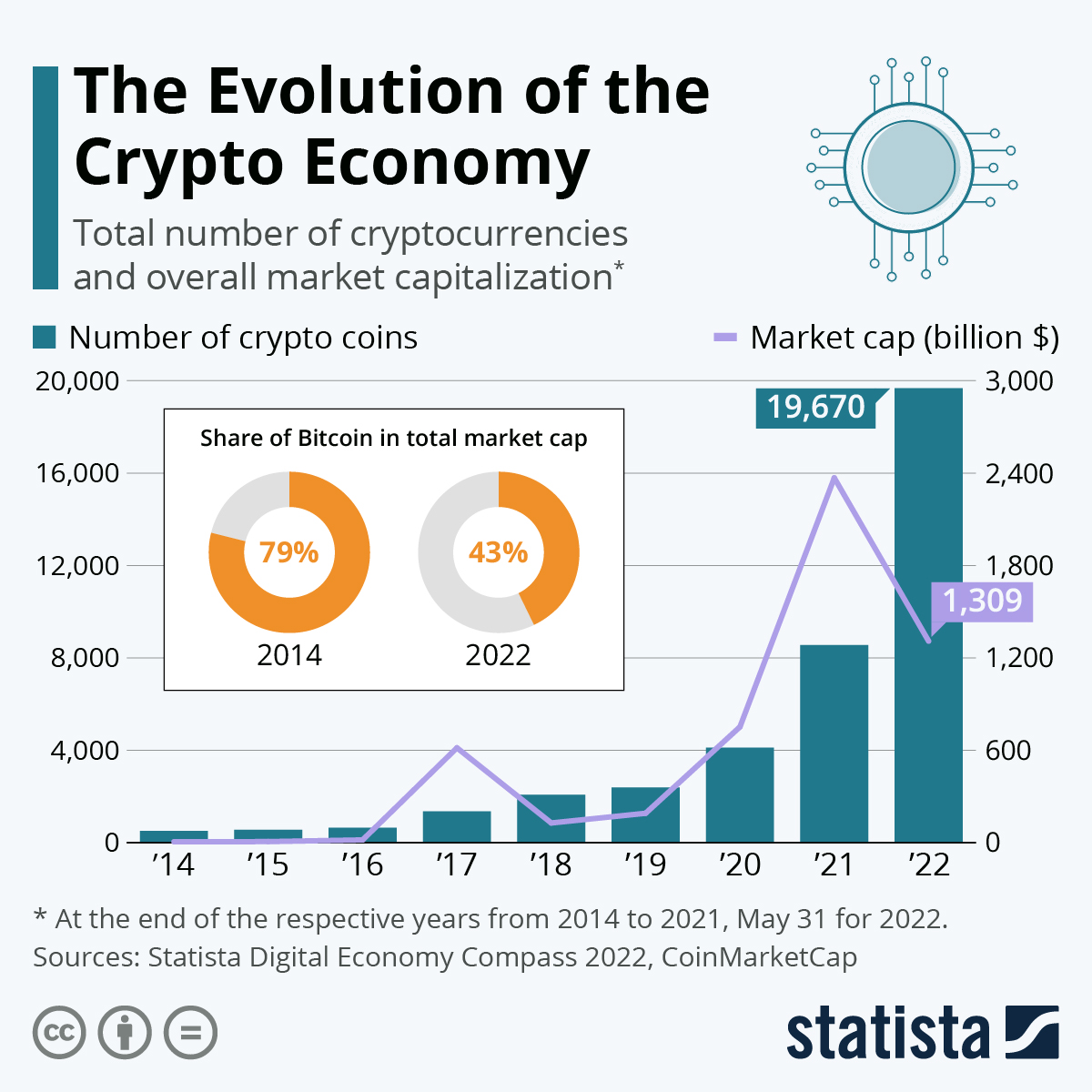
Chart: The Evolution of the Crypto Economy | Statista

The regulatory landscape for crypto companies is complex and varies significantly across jurisdictions. In the United States, for example, companies must navigate regulations from the SEC, CFTC, and FinCEN, among others. In contrast, countries like Malta and Singapore offer more favorable regulations to foster innovation.Compliance requirements include Know Your Customer (KYC) and Anti-Money Laundering (AML) standards. These regulations aim to prevent fraud and ensure transparency in the crypto market.

Non-compliance can result in severe penalties, including fines and operational shutdowns, underscoring the importance of adhering to legal standards.

Technological Innovations

Crypto companies are at the forefront of technological advancements, particularly in blockchain technology. Innovations such as decentralized finance (DeFi), non-fungible tokens (NFTs), and smart contracts have emerged from this sector. Blockchain technology is also finding applications beyond finance, such as supply chain management, healthcare, and digital identity verification.Future trends in technology may include enhanced interoperability between different blockchains and the integration of artificial intelligence (AI) to improve decision-making processes and security.

As these technologies evolve, crypto companies are expected to be key players in driving innovation.

Investment Strategies Related to Crypto Companies

The ‘Sleep Well at Night’ Crypto Strategy for 2025 Volatility | by ...

Investing in crypto companies requires specific strategies tailored to the unique nature of the cryptocurrency market. Investors often look for growth potential in emerging technologies and market niches. Risk management techniques include diversification across different crypto assets and utilizing stop-loss orders to minimize potential losses.

Crypto Company Market Performance (1 Year) Revenue Model
Ethereum 150% Increase Transaction Fees & DApp Ecosystem
Binance 120% Increase Trading Fees
Ripple 80% Increase Transaction Fees & Partnerships

Community and Ecosystem Engagement

Community engagement is vital for the success of crypto companies. Active communities can drive adoption, provide valuable feedback, and enhance product development. Companies often utilize social media platforms, forums, and community events to foster engagement.Methods to encourage community involvement include incentivizing contributions through token rewards and hosting hackathons to promote innovation. Community-driven projects can disrupt traditional business models by prioritizing user input and collaboration over top-down management structures.

Future of Crypto Companies

The future of crypto companies is likely to be shaped by several developments over the next decade. Emerging technologies such as AI and the Internet of Things (IoT) are expected to enhance blockchain applications and create new business opportunities. For instance, AI can optimize trading algorithms, while IoT can facilitate real-time data sharing on the blockchain.Anticipated challenges include increased regulatory scrutiny and market volatility, which may impact growth.

Conversely, opportunities may arise from broader acceptance of cryptocurrencies and the integration of blockchain into various industries, positioning crypto companies for substantial growth in the coming years.

Closure

As we conclude our look at crypto company kya hai, it’s clear that these entities are integral to the future of finance and technology. With their innovative approaches and community engagement, they are poised to navigate the complexities of regulation and market dynamics, promising exciting developments ahead.

Answers to Common Questions

What roles do crypto companies play in the economy?

Crypto companies facilitate transactions, create investment opportunities, and drive technological advancements in various sectors.

How do crypto companies generate revenue?

They typically generate revenue through trading fees, transaction fees, subscription services, and by offering wallet storage solutions.

What are the risks associated with investing in crypto companies?

Investors face volatility, regulatory changes, and the risk of technological failures, making thorough research essential.

How do community engagement strategies benefit crypto companies?

Community engagement fosters loyalty, encourages feedback, and can lead to innovative ideas that improve products and services.

What is the future outlook for crypto companies?

With ongoing technological advancements and increasing mainstream acceptance, crypto companies are expected to grow and evolve significantly in the coming years.

Bitcoin development companies are pivotal players in the ever-evolving world of cryptocurrency, contributing to its growth and adoption. These firms not only create the technologies and solutions that underpin Bitcoin transactions but also innovate to address challenges in security, scalability, and user experience.

As we delve deeper into the landscape of bitcoin development, we’ll explore the essential services these companies offer, the technologies they employ, and the hurdles they face, while highlighting their impact on the broader cryptocurrency ecosystem.

Overview of Bitcoin Development Companies

Bitcoin development companies play a crucial role in the cryptocurrency ecosystem by providing the technical expertise needed to create and maintain Bitcoin-related applications and services. These companies not only contribute to the development of the Bitcoin network but also offer various solutions that enhance the overall user experience. Over the years, Bitcoin development companies have evolved significantly, reflecting the growth and complexity of the cryptocurrency market.Many successful Bitcoin development companies have made substantial contributions to the ecosystem.

For instance, Blockstream is renowned for its work on the Lightning Network, which aims to improve Bitcoin’s scalability and transaction speed. Another example is Bitfury, which specializes in Bitcoin mining and blockchain-related technology. These companies, among others, have driven innovation and helped shape the future of Bitcoin.

Services Offered by Bitcoin Development Companies

Bitcoin development companies

Bitcoin development companies provide a wide range of services that cater to the diverse needs of businesses and individuals interested in the cryptocurrency space. Their offerings include:

  • Custom Blockchain Solutions: Tailored solutions that meet specific business requirements, allowing organizations to leverage blockchain technology effectively.
  • Wallet Development: Creation of secure wallets for storing Bitcoin and other cryptocurrencies, ensuring users can manage their assets safely.
  • Smart Contract Development: Implementation of automated contracts that execute transactions when predefined conditions are met.
  • Consulting Services: Expert advice on blockchain integration, security best practices, and regulatory compliance.
  • Transaction Processing Solutions: Tools and systems that facilitate seamless processing of Bitcoin transactions.

The significance of custom blockchain solutions cannot be overstated, as they enable businesses to innovate and streamline their operations. Additionally, wallet development and robust security measures are paramount in ensuring that users can transact confidently within the Bitcoin ecosystem.

Key Technologies Used in Bitcoin Development

Bitcoin development companies utilize a variety of technologies to create innovative solutions within the cryptocurrency landscape. Key technologies include:

  • Blockchain Technology: The backbone of Bitcoin, providing a decentralized ledger that records all transactions securely.
  • Cryptographic Algorithms: Ensuring the integrity and security of data through encryption techniques.
  • Distributed Ledger Technology (DLT): Facilitating secure and transparent transactions without the need for intermediaries.

In terms of programming languages, several are commonly employed in Bitcoin development projects. These include:

  • Bitcoin Script: The scripting language for Bitcoin transactions, allowing for complex payment conditions.
  • C++: Frequently used for Bitcoin Core software development due to its performance and efficiency.
  • Python: Valued for its simplicity and readability, making it ideal for rapid prototyping.
  • JavaScript: Often used for web-based Bitcoin applications, enabling interactive user interfaces.

Challenges Faced by Bitcoin Development Companies

Bitcoin Logo, symbol, meaning, history, PNG, brand

Bitcoin development companies encounter several challenges as they navigate the dynamic cryptocurrency landscape. Common challenges include:

  • Regulatory Hurdles: Navigating the complex and often unclear regulations surrounding cryptocurrency and blockchain technology can inhibit development.
  • Security Threats: The risk of hacks and fraud is ever-present, requiring companies to implement robust security measures to protect their solutions.
  • Market Volatility: Fluctuations in Bitcoin prices can impact project funding and development timelines.

To combat these challenges, companies often prioritize compliance and invest heavily in security protocols to safeguard their projects.

The Future of Bitcoin Development

Emerging trends in Bitcoin development are shaping the future of the cryptocurrency market. Noteworthy trends include:

  • Scalability Solutions: Innovations like the Lightning Network are crucial for improving Bitcoin’s transaction capacity and speed.
  • Integration with Traditional Financial Systems: Partnerships between Bitcoin development companies and traditional banks are becoming more common, facilitating wider adoption.
  • Adoption of Decentralized Finance (DeFi): The rise of DeFi platforms is encouraging Bitcoin developers to create solutions that bridge Bitcoin with decentralized financial services.

These developments highlight the growing recognition of Bitcoin’s potential and its role in the broader financial landscape.

Case Studies of Bitcoin Development Projects

Several notable Bitcoin development projects have made significant impacts on the ecosystem. For instance, the development of the Liquid Network by Blockstream demonstrates how sidechain technology can enhance Bitcoin’s capabilities, allowing for faster transactions and improved privacy features. Another case is the Bitcoin Lightning Network, which enables instantaneous micropayments, a game-changer for everyday transactions.Lessons learned from these projects emphasize the importance of scalability, security, and user-friendly design.

Innovative features such as atomic swaps and payment channels have been introduced, paving the way for a more versatile Bitcoin ecosystem.

Hiring Bitcoin Development Companies

When looking to hire a Bitcoin development company, it is essential to consider several criteria to ensure a successful partnership. Key factors to evaluate include:

  • Experience and Expertise: Assess the company’s track record and expertise in blockchain technology and Bitcoin development.
  • Client Testimonials: Review feedback from past clients to gauge the company’s reliability and quality of service.
  • Portfolio: Examine completed projects to understand the company’s capabilities and innovation.
  • Technical Support: Ensure the company offers robust post-launch support to address any potential issues.

Creating a checklist based on these criteria can help businesses streamline their selection process when seeking Bitcoin development services.

Concluding Remarks

In conclusion, bitcoin development companies are at the forefront of driving innovation within the cryptocurrency space, continuously overcoming challenges and adapting to market needs. Their contributions not only advance Bitcoin technology but also play a crucial role in shaping the future of finance as we know it.

Frequently Asked Questions

What services do bitcoin development companies provide?

They offer a range of services including custom blockchain solutions, wallet development, security measures, and consulting.

How do I choose the right bitcoin development company?

Look for companies with proven experience, positive client testimonials, and a strong portfolio of past projects.

What technologies are commonly used in bitcoin development?

Common technologies include blockchain frameworks, programming languages like C++, Python, and JavaScript, as well as various cryptographic protocols.

What are the main challenges faced by bitcoin development companies?

Challenges include regulatory compliance, security threats, and the need for continuous technological innovation to keep up with market demands.

What is the future of bitcoin development?

The future looks promising with emerging trends in scalability solutions, potential partnerships with tech firms, and ongoing advancements in blockchain technology.

With crypto price for today at the forefront, this current overview brings to light the dynamic world of cryptocurrency. The market is constantly evolving, influenced by a variety of factors ranging from investor sentiment to regulatory changes. Today, we’ll dive into the top-performing cryptocurrencies, analyze price fluctuations, and uncover the trends shaping the market.

As we explore the current state of the crypto market, we’ll also take a look back at historical price data, discuss significant news events, and evaluate different predictive models. This comprehensive insight will help you understand the landscape better and make more informed decisions.

Current Crypto Market Overview

The cryptocurrency market continues to evolve rapidly, reflecting a dynamic landscape shaped by various factors. As of today, the market showcases a blend of optimism and caution among investors. The top-performing cryptocurrencies are witnessing significant movements, with Bitcoin and Ethereum leading the charge. Market trends indicate increasing institutional interest, along with a growing acceptance of digital assets in mainstream finance.

Market Trends Affecting Crypto Prices

The current market trends are largely influenced by several key factors, including regulatory developments, technological advancements, and macroeconomic conditions. Notably, the rise of decentralized finance (DeFi) platforms and non-fungible tokens (NFTs) has added layers of complexity and opportunity within the crypto space. Additionally, ongoing discussions surrounding potential regulatory frameworks are impacting investor sentiment.

Price Fluctuations of Major Cryptocurrencies

Today’s price changes for major cryptocurrencies reflect a mix of volatility and recovery, especially for Bitcoin and Ethereum. Bitcoin is currently trading at around $45,000, with a notable range between $43,500 and $46,500. Meanwhile, Ethereum has shown a similar pattern, fluctuating between $3,100 and $3,250.

Factors Influencing Price Fluctuations

Several factors contribute to the observed price fluctuations in the cryptocurrency market today. These include:

  • Market sentiment driven by news and social media.
  • Liquidity and trading volumes in major exchanges.
  • Global economic indicators, including inflation and interest rates.

Today’s Price Highs and Lows

Cryptocurrency Price High Price Low
Bitcoin (BTC) $46,500 $43,500
Ethereum (ETH) $3,250 $3,100
Ripple (XRP) $1.20 $1.15

Historical Price Comparisons

Historical price data shows how the cryptocurrency market has evolved over the past month. Bitcoin, for instance, had a price of around $40,000 just a month ago, illustrating a robust upward trend.

Price Trajectory of Bitcoin Over the Last Week

Over the last week, Bitcoin has experienced a steady increase in value, reflecting market confidence. The following table compares Bitcoin’s prices from the last week, highlighting significant gains.

Date Price
One Week Ago $42,000
Three Days Ago $44,000
Today $45,000

Price Comparisons from Last Month

To better understand the current market dynamics, the following table compares today’s prices with those from the same day last month.

Cryptocurrency Price Today Price Last Month
Bitcoin (BTC) $45,000 $40,000
Ethereum (ETH) $3,200 $3,000
Ripple (XRP) $1.18 $1.05

Influential News and Events

Recent news events have played a crucial role in shaping the current landscape of cryptocurrency prices. Key announcements include significant partnerships, technological upgrades, and regulatory discussions that have either bolstered investor confidence or induced caution.

Regulatory Changes Impacting the Market

Regulatory changes, particularly in the U.S. and Europe, have sparked discussions among investors. The introduction of clearer guidelines regarding cryptocurrency trading and taxation is generating positive sentiment, as it could pave the way for broader adoption.

Social Media Sentiment

Social media platforms have become a powerful tool for influence over crypto prices. Investor sentiment is often swayed by trending topics and discussions, leading to rapid price movements. Monitoring platforms like Twitter and Reddit is essential for capturing real-time market sentiment.

Price Prediction Models

Various models have been developed to predict cryptocurrency prices, leveraging historical data and market trends. These models range from simple moving averages to complex machine learning algorithms.

Insights on Prediction Models

Current prediction models are being tested against today’s prices, revealing varying degrees of accuracy. Observing the following key indicators can help investors gauge market directions:

  • Relative Strength Index (RSI)
  • Moving Average Convergence Divergence (MACD)
  • Fibonacci retracements

Investment Strategies Based on Today’s Prices

Given today’s crypto prices, investors are advised to adopt strategies that align with market conditions. This includes a focus on diversification and risk management to safeguard investments.

Effective Investment Strategies

An effective approach includes:

  • Investing in a mix of established and emerging cryptocurrencies.
  • Setting stop-loss orders to minimize potential losses.
  • Regularly reviewing and adjusting portfolios based on market performance.

Flowchart for Investment Decisions

A flowchart illustrating the investment decision-making process can assist in navigating the current market. Key steps include assessing risk tolerance, analyzing market trends, and executing trades based on real-time data.

Tools for Tracking Crypto Prices

There are numerous tools and platforms available for tracking cryptocurrency prices, each offering unique features to assist investors. Popular options include CoinMarketCap, Binance, and CryptoCompare.

Features of Popular Price Tracking Tools

These tools often provide:

  • Real-time price updates and historical data.
  • Market cap rankings and trading volumes.
  • Customizable alerts for price movements.

Comparison of Tracking Tools

The following table compares some of the leading cryptocurrency tracking tools based on key features and user experience.

Tool Real-Time Updates User-Friendly Interface
CoinMarketCap Yes Yes
Binance Yes Yes
CryptoCompare Yes No

Community Insights and Sentiments

The cryptocurrency community plays a vital role in shaping market sentiments. Insights gathered from various forums reveal a mix of optimism and caution regarding current prices.

The Role of Social Media in Public Perception

Social media channels are instrumental in amplifying community-driven insights and predictions. Their influence can lead to rapid shifts in market sentiment, prompting traders to act based on collective sentiment.

Community-Driven Predictions

Community-driven predictions often reflect a blend of hope and realism. The implications of these predictions can significantly impact market movements, as collective sentiment tends to sway price trajectories.

Final Summary

In summary, understanding the crypto price for today is crucial for anyone looking to navigate this volatile market. By keeping an eye on current trends, historical data, and community sentiment, you can better position yourself for investment opportunities. The world of cryptocurrency is both intriguing and challenging, and staying informed is key to success.

FAQ Compilation

What factors influence crypto prices today?

Factors such as market sentiment, news events, and regulatory changes significantly impact crypto prices.

How can I track crypto prices effectively?

Using dedicated tracking tools and apps can help you monitor price changes and market trends efficiently.

Are there reliable prediction models for cryptocurrency prices?

Yes, there are various models, such as technical analysis and market sentiment analysis, that aim to predict price movements.

What is the importance of historical price data?

Historical price data helps in understanding trends, making comparisons, and developing investment strategies.

How do news events affect crypto prices?

Major news can lead to rapid price changes as they influence investor behavior and market perception.

As popular finance latest news today kerala takes center stage, it offers a fascinating glimpse into the current financial landscape of the region. With significant developments unfolding, local residents and businesses alike are keen to stay informed about the latest trends, investment opportunities, and government policies shaping their economic environment.

Today, we delve into the most pressing financial news, highlighting key events and their implications for the people of Kerala. From emerging economic trends to personal finance tips tailored for residents, this overview serves as a comprehensive guide to navigating the ever-evolving financial scene in the state.

Latest Financial News in Kerala

Today’s financial landscape in Kerala has been significantly shaped by several key developments. Notably, the state has seen a surge in investments in the renewable energy sector, driven by government policies aimed at promoting sustainability. Additionally, local businesses are reacting positively to the recent tax incentives announced, which are expected to boost the overall economic activity in the region.

Key Events Impacting the Financial Landscape

Several pivotal events have influenced Kerala’s financial sector today. The inauguration of new solar power plants has attracted attention from investors, aiming to capitalize on the state’s commitment to green energy. Moreover, the strengthening of the local currency against major currencies has encouraged exports, benefiting small and medium enterprises.

Reactions of Local Businesses

Local businesses are adapting to these financial developments with enthusiasm. Many entrepreneurs are exploring opportunities in sustainable practices, while others are reassessing their pricing strategies in response to the tax incentives. This proactive approach is positioning them optimistically for future growth.

Economic Trends in Kerala

Emerging economic trends in Kerala indicate a shift towards technology-driven industries and sustainable practices. The state is witnessing a decline in traditional agricultural activities, while sectors like information technology and renewable energy are flourishing.

Sectors Experiencing Growth

Key sectors experiencing growth include:

  • Information Technology: With numerous tech parks and startups, Kerala is becoming a hub for IT services.
  • Renewable Energy: The government’s push for solar and wind energy is attracting significant investments.
  • Tourism: Post-pandemic recovery has led to a resurgence in the tourism sector, boosting local economies.

Implications for Future Investments

These trends suggest that investors should focus on technology and sustainability when looking at opportunities in Kerala. The emphasis on renewable energy and IT infrastructure promises high returns as the state progresses towards modernization.

Government Policies Affecting Finance

Recent government policies have played a crucial role in shaping the financial sector in Kerala. The introduction of the Kerala Startup Mission has provided substantial support to fledgling companies, while tax exemptions for green technologies have incentivized investments.

Effectiveness Compared to Other States

When comparing Kerala’s policies with those of other states, Kerala’s targeted approach toward startups and green energy stands out. While states like Karnataka have focused heavily on IT, Kerala is diversifying its economic base.

Potential Changes and Their Impacts

Potential changes, such as enhanced funding for small businesses and more robust support for tech startups, could lead to significant economic growth. These reforms have the potential to create thousands of jobs and drive innovation across sectors.

Investment Opportunities in Kerala

Kerala presents a variety of promising investment opportunities that cater to diverse investor interests. From technology to tourism, the state is ripe with potential.

Promising Investment Avenues

Here’s a brief overview of the most attractive investment opportunities in Kerala:

  • Renewable Energy Projects: Investing in solar and wind energy technologies.
  • Information Technology Startups: Engaging with local startups in tech hubs.
  • Tourism and Hospitality: Investing in eco-friendly resorts and travel services.

Advantages and Risks

While the advantages of investing in these sectors include government support and market growth, risks such as regulatory changes and competition must be considered.

Investment Comparison Table

Investment Avenue Expected Returns Risks
Renewable Energy High Regulatory changes
IT Startups Medium-High Market competition
Tourism Medium Economic fluctuations

Personal Finance Tips for Residents

Managing personal finances effectively is crucial for residents of Kerala. With the rising cost of living and economic changes, having a solid financial plan is essential.

Practical Personal Finance Tips

Here are some practical personal finance tips tailored for Kerala residents:

  • Create a monthly budget to track income and expenses.
  • Establish an emergency fund to cover unexpected expenses.
  • Invest in local financial education programs for better financial literacy.

Resources for Financial Education

Residents can leverage several resources for financial education:

  • Local workshops by banks on saving and investing.
  • Online courses offered by universities focusing on financial literacy.
  • Community centers that host regular finance seminars.

Impact of Global Events on Local Finance

Global economic events have a noticeable impact on the financial markets in Kerala. Fluctuations in international oil prices, for instance, have direct consequences on local transportation costs and commodities.

Local Sectors Affected by Global Changes

Key sectors affected include:

  • Exports: Fluctuating global demand impacts local manufacturing.
  • Tourism: International travel restrictions influence local tourist economies.
  • Imports: Changes in global supply chains affect the availability of goods.

Local Stock Market Responses

Global Event Local Market Response
Oil Price Surge Increased cost of living, affecting consumer spending
International Travel Ban Decline in tourism sector stocks

Role of Technology in Finance

Technology is revolutionizing financial services in Kerala. From digital banking to fintech solutions, the adoption of technology is reshaping how consumers and businesses manage their finances.

Transformations in Financial Services

Innovations such as mobile banking apps and online lending platforms are gaining traction. These technologies offer convenience and accessibility, appealing to a tech-savvy population.

Key Players in the Tech-Driven Finance Sector

Some notable players in Kerala’s financial technology sector include:

  • Fintech startups focusing on microfinance solutions.
  • Digital payment platforms facilitating cashless transactions.
  • Investment apps catering to beginner investors.

Community Initiatives Supporting Financial Literacy

Efforts to enhance financial literacy in Kerala are gaining momentum through various community initiatives. These programs aim to empower residents with the knowledge necessary to navigate their financial lives effectively.

Impact of Community Programs

Community initiatives have positively impacted local populations by providing them with tools and knowledge to make informed financial decisions.

Upcoming Workshops and Seminars

Here’s a list of upcoming financial workshops and seminars:

  • Monthly budgeting workshops at local community centers.
  • Investment seminars hosted by financial experts.
  • Special programs for women focusing on financial independence.

Challenges Facing the Financial Sector

The financial sector in Kerala faces several challenges, which need to be addressed to ensure sustainable growth. Issues such as high non-performing assets (NPAs) and regulatory hurdles are significant concerns.

Insights on Addressing Challenges

Stakeholders are working collaboratively to address these challenges through various strategies, including improved credit assessment processes and enhanced regulatory frameworks.

Proposed Solutions and Expected Outcomes

Proposed Solution Expected Outcome
Better Credit Assessment Reduced NPAs
Streamlined Regulations Increased investment confidence

Future of Finance in Kerala

The future of finance in Kerala looks promising with several advancements on the horizon. Predictions suggest that technological innovations will drive significant changes in the financial landscape.

Technological Advancements Shaping the Sector

Emerging technologies such as blockchain and artificial intelligence are expected to play a crucial role in transforming the financial sector, enhancing efficiency and security.

Indicators to Monitor for Future Developments

Residents should keep an eye on various indicators to gauge future financial developments:

  • Investment inflows in tech startups.
  • Government policies promoting financial inclusion.
  • Trends in consumer spending and saving patterns.

Final Review

In summary, the financial landscape in Kerala is dynamic and filled with both challenges and opportunities. As we look to the future, staying informed about local and global economic shifts will be crucial for residents and businesses alike. By understanding the current trends and leveraging available resources, individuals can navigate their financial journey more effectively.

Query Resolution

What are the main financial news updates today in Kerala?

Today’s updates include significant government policy changes and emerging investment opportunities across various sectors.

How are local businesses reacting to the latest financial developments?

Many local businesses are adapting to the changes with optimism, exploring new strategies to leverage the improving economic conditions.

Where can I find resources for financial education in Kerala?

Residents can access workshops, community seminars, and online resources aimed at enhancing financial literacy.

What challenges does the financial sector in Kerala currently face?

The sector is dealing with issues such as regulatory hurdles and the need for technological advancement to stay competitive.

What future trends should residents monitor in Kerala’s finance sector?

It’s important to keep an eye on technological innovations, government policy changes, and global economic influences that could impact local finance.

Branding cattle is more than just a mark; it’s a crucial aspect of modern ranching. This guide delves into the multifaceted world of branding, exploring its history, various methods, and significant impact on livestock management and marketing. From traditional hot iron techniques to innovative modern approaches, we’ll examine the practical benefits and challenges of branding in today’s market.

Understanding the intricacies of branding cattle is vital for ranchers seeking to optimize their operations. We’ll cover the advantages of branding for identification, traceability, and market value, ultimately highlighting the importance of this time-tested practice in a rapidly evolving industry.

Introduction to Branding Cattle

Branding cattle is a crucial practice in livestock management, providing a permanent visual identifier for individual animals. This practice has deep historical roots, evolving from simple methods to sophisticated systems, ensuring accurate tracking and ownership. The significance of branding extends to various aspects of the cattle industry, from traceability and record-keeping to dispute resolution and market value.The fundamental purpose of cattle branding is to uniquely identify individual animals, simplifying the management of large herds and reducing the risk of theft or misidentification.

Accurate identification is essential for maintaining accurate records of animal health, production, and lineage.

Historical Overview of Branding

Branding’s origins trace back to ancient civilizations, with early methods likely involving hot irons or other means of marking animals. As livestock herding became more prevalent, the need for clear identification grew, leading to the development of more sophisticated branding techniques. Early branding methods were often crude but served the practical purpose of establishing ownership and preventing livestock theft.

Over time, these methods evolved, incorporating advancements in metallurgy and design to create more durable and distinctive marks.

Methods and Styles of Cattle Branding

Various methods and styles of cattle branding are employed worldwide, each tailored to specific needs and preferences. Common methods include hot iron branding, freeze branding, and branding using specialized tools. Each method has unique characteristics that influence its application, effectiveness, and cost.

Legal and Regulatory Aspects of Cattle Branding

Regulations governing cattle branding vary significantly across different regions and jurisdictions. These regulations aim to ensure the accuracy and clarity of branding, preventing fraudulent practices and promoting fair competition in the livestock market. The legal implications of branding, such as the requirements for registration and the consequences of improper branding, need to be understood. Laws often mandate the registration of brands, specifying their design and location on the animal.

Comparison of Branding Methods

Branding Method Description Pros Cons
Hot Iron Branding A heated branding iron is pressed onto the animal’s hide, creating a distinctive mark. Creates a permanent, easily identifiable mark. Relatively inexpensive. Can cause temporary discomfort or injury to the animal. Requires skill and care to avoid damaging the hide.
Freeze Branding A specialized device freezes a section of the animal’s hide, creating a mark. Generally less painful than hot iron branding, potentially reducing stress on the animal. Can be more expensive than hot iron branding. Requires specialized equipment. May require more skilled application for optimal results.
Branding Tools A range of tools are available, including branding irons with different shapes and sizes, specialized marking tools, or other methods. Allows for greater customization of branding designs. Can be used for a variety of branding needs. Requires careful consideration of the method’s effectiveness and longevity. The quality and durability of the tools can influence the branding results.

Benefits of Branding Cattle

Branding cattle offers significant advantages for ranchers and buyers, extending beyond simple identification. It plays a crucial role in livestock management, ensuring accurate record-keeping, and building trust throughout the supply chain. This practice helps prevent livestock theft, facilitates traceability, and ultimately enhances the overall value of the cattle.

Advantages for Ranchers

Ranchers benefit from branding by simplifying livestock management. Accurate identification through branding reduces the risk of mix-ups, making it easier to track individual animals throughout their lifecycle. This enables ranchers to maintain precise records of breeding, health, and performance data, optimizing herd management strategies. This detailed record-keeping allows for better decision-making regarding animal selection for breeding or sale.

Advantages for Buyers

Branding is a vital tool for buyers, providing a tangible indication of the animal’s origin and history. This transparency builds trust and confidence in the quality of the cattle. A reputable brand signifies a reliable source, fostering confidence in the animal’s lineage and health records. This allows buyers to assess the quality and value of the cattle based on the established reputation associated with the brand.

Importance in Livestock Identification and Traceability

Branding acts as a permanent identifier, facilitating livestock traceability. This is essential for preventing livestock theft and ensuring accurate record-keeping. A distinct brand allows for quick and precise identification of individual animals, enabling ranchers to maintain accurate records of ownership and movement. This is particularly crucial in cases of suspected theft or disease outbreaks. A well-maintained branding system significantly reduces the chances of fraudulent claims or disputes.

Branding and Trust in the Supply Chain

Branding plays a pivotal role in building trust and reputation among buyers. A recognizable brand establishes a reputation for quality and reliability, attracting buyers who value consistency and integrity. Ranchers with strong branding practices can often command higher prices for their cattle due to the established trust in the brand’s quality. This reputation fosters long-term relationships with buyers, ensuring a steady market for their cattle.

Effectiveness of Different Branding Methods

Various branding methods exist, each with varying degrees of effectiveness in preventing livestock theft. The most effective methods are those that are clearly visible, resistant to tampering, and easily identifiable. Methods such as hot iron branding, which leave a permanent mark, are generally more effective than temporary methods like paint branding, which may be easily removed. The choice of branding method depends on the specific needs and resources of the rancher, and the level of security required.

Examples of Enhanced Cattle Value

Branding can enhance the overall value of cattle through several mechanisms. A well-established brand often commands a premium price from buyers, who perceive the brand as a symbol of quality and reliability. This increased value is directly attributable to the trust and confidence associated with the brand. Moreover, branding facilitates easier identification and traceability, potentially leading to higher market prices.

Ranchers with consistent branding practices often have a competitive advantage in the market. A strong brand can also increase the desirability of cattle for breeding purposes.

Branding Cattle Pros in a Modern Context

Modern cattle branding goes beyond a simple mark; it’s a strategic tool impacting everything from marketing to livestock protection. A well-executed branding strategy can significantly enhance the value and marketability of cattle, creating a recognizable identity in the competitive agricultural landscape. Effective branding also helps differentiate a herd and build trust with buyers.Branding in the modern context is a crucial aspect of cattle management, playing a pivotal role in the overall success of a livestock operation.

It encompasses not only the visual aspect of the brand but also the associated reputation and quality perceptions it cultivates. This multifaceted approach allows producers to effectively manage their herds and market their livestock more efficiently.

Impact on Cattle Marketing and Sales

A strong brand significantly influences buyer perception and ultimately, sale prices. Consumers are increasingly discerning, seeking assurance of quality and provenance. A recognizable brand associated with high-quality cattle can command premium prices. Branding also simplifies identification and verification processes for buyers, speeding up the transaction process.

Role in Building a Strong Brand Image for Cattle

Branding helps establish a unique identity for a herd, differentiating it from competitors. This perceived quality and consistency associated with the brand builds a positive reputation, fostering trust among buyers and potentially leading to repeat business. A positive brand image can also attract potential investors or partners seeking to align with established quality standards.

Examples of Successful Cattle Branding Strategies

Many successful cattle ranchers have developed strong brands that go beyond a simple logo. These strategies often involve consistent quality management, stringent health protocols, and a focus on sustainable practices. This holistic approach not only impacts the animal but also builds trust in the producer’s commitment to ethical and high-quality standards. For example, a rancher emphasizing organic feed and natural grazing practices can create a brand image associated with healthy and naturally raised cattle.

Cattle Branding Options and Costs

  • Branding Irons: These traditional methods involve applying a hot iron to the animal’s hide. Costs vary significantly based on the size, complexity, and materials of the iron. The initial investment can be moderate, but upkeep is minimal.
  • Branding with Laser: Laser branding offers a precise, less invasive method compared to hot irons. The cost of the equipment is typically higher, but long-term savings can arise from reduced branding time and potential veterinary intervention.
  • Branding with Paint: This approach involves using paints or markers to apply the brand. The cost is usually the lowest among the listed options, but it might not be as permanent as other methods.
Branding Method Estimated Initial Cost Long-Term Maintenance Costs
Branding Irons $100-$500+ Low (minimal upkeep)
Laser Branding $5,000-$20,000+ Moderate (equipment maintenance)
Branding with Paint $25-$100+ Moderate (potential for repainting)

Note: Costs are estimates and may vary based on specific requirements and materials.

Importance in Protecting Cattle from Loss

A distinctive brand acts as a crucial identifier, making it significantly easier to recover lost or stolen cattle. This proactive approach reduces the financial and emotional burden associated with livestock loss. The brand acts as a visible mark that facilitates rapid identification and return of the animal.

The Role of Branding Agencies in Cattle Industry

Branding agencies play a critical role in the modern cattle industry, extending beyond the simple act of designing a brand. They provide comprehensive services that enhance a rancher’s operations, from improving brand recognition to streamlining marketing efforts. These agencies act as strategic partners, helping ranchers navigate the complexities of branding and marketing their cattle in a competitive marketplace.

Services Offered by Branding Agencies

Branding agencies specializing in livestock offer a range of services tailored to the unique needs of ranchers. These services typically include brand design, development of branding strategies, and implementation of marketing materials. Beyond the visual aspects, they often incorporate elements of brand protection and legal compliance.

  • Brand Design and Development: Agencies possess expertise in creating visually appealing and memorable brands. They consider factors like visibility, durability, and regulatory compliance when designing cattle brands. For example, a well-designed brand ensures that cattle are easily identifiable in various lighting conditions and over time, reducing the risk of misidentification. This meticulous process involves understanding the specific needs of each ranch and its target market.

  • Branding Strategy Development: Agencies assist in creating comprehensive branding strategies. These strategies consider factors such as market positioning, target audience, and competitive analysis. A well-defined strategy ensures that the brand resonates with the intended audience and effectively differentiates the rancher’s cattle from competitors.
  • Marketing Material Creation: Agencies provide support in developing marketing materials to promote the rancher’s cattle. This includes designing brochures, websites, social media content, and other promotional tools. The materials are crafted to highlight the quality of the cattle, their origin, and the rancher’s commitment to sustainable practices. For instance, a rancher could utilize branding materials to promote their cattle’s heritage and superior genetics to attract discerning buyers.

  • Brand Protection and Legal Compliance: Agencies assist in protecting the rancher’s brand by ensuring compliance with all relevant regulations and laws. This aspect is crucial for preventing brand infringement and maintaining the integrity of the brand. Agencies often conduct trademark searches to confirm the uniqueness of the brand and advise on the necessary steps to protect it legally.

Improving Cattle Brand Through Agencies

Agencies can significantly enhance a rancher’s cattle brand by providing expert guidance and resources. They can conduct a comprehensive brand audit, analyzing its effectiveness and suggesting improvements. This approach ensures that the brand is as impactful and relevant as possible.

  • Brand Audit: A thorough analysis of the current brand, identifying strengths, weaknesses, and areas for improvement, is a critical first step. This audit examines the brand’s visual elements, its messaging, and its overall effectiveness in the marketplace.
  • Brand Enhancement Strategies: Based on the audit, agencies develop tailored strategies to enhance the brand’s impact. These strategies could involve redesigning the brand, clarifying the messaging, or implementing a more comprehensive marketing approach.
  • Brand Consistency: Agencies emphasize the importance of maintaining brand consistency across all platforms and materials. Consistent branding helps build brand recognition and trust among buyers. For example, consistent branding ensures that the brand is consistently perceived as high-quality, thus attracting more buyers.

Branding Consistency and Cattle Identification

Branding consistency is paramount in cattle identification. A clearly defined and consistently applied brand minimizes the risk of misidentification, which is critical for traceability and accurate record-keeping.

  • Precise Brand Application: Agencies ensure the consistent application of the brand across all cattle. This practice enhances the efficiency and accuracy of cattle identification, particularly in large-scale operations.
  • Improved Traceability: Consistent branding directly contributes to improved traceability. This is crucial for tracking cattle throughout their lifespan, from birth to market.

Marketing Material Creation by Agencies

Agencies aid in the creation of compelling marketing materials that effectively communicate the rancher’s brand and values. This includes the design of brochures, websites, and social media content.

  • Design and Production: Agencies handle the design and production of various marketing materials. This ensures high-quality visuals and professional presentation.
  • Targeted Messaging: The materials are crafted to clearly communicate the value proposition of the cattle, including quality, origin, and sustainability efforts.

Comparison of Branding Agency Services and Fees

Service Description Typical Fee Structure
Brand Design & Development Creation of a unique brand for cattle Variable, based on complexity and scope of work. Often a percentage of total branding budget.
Branding Strategy Development Creation of a comprehensive branding strategy Variable, often based on hourly rate or project-based fee.
Marketing Material Creation Design and production of marketing materials (brochures, websites, etc.) Variable, based on the number of materials and their complexity.
Brand Protection & Legal Compliance Ensuring brand compliance with regulations and laws Variable, often hourly rate or project-based fee.

Branding Cattle and Consumer Perception

Branding cattle goes beyond simply marking them; it significantly impacts how consumers perceive and value the product. A strong brand can translate into higher prices and greater consumer trust, while a poorly executed brand can have the opposite effect. Understanding this relationship is crucial for cattle producers and branding agencies alike.The influence of branding on consumer perception is multifaceted.

A consistent, high-quality brand image projects professionalism and reliability, fostering consumer trust. This trust translates directly into purchasing decisions, as consumers are more likely to choose products from brands they recognize and trust. This effect is especially prominent in niche markets, where consumers are more discerning.

Influence on Market Value

Branding efforts directly correlate with market value. Cattle with established, positive brands often command premium prices, reflecting the perceived quality and reliability associated with that brand. This is exemplified by brands consistently associated with superior genetics, rigorous feeding practices, or exceptional animal care.

Impact on Consumer Trust

Consumer trust is a crucial element in the cattle market. A strong brand, built on consistent quality and transparency, instills trust in consumers. This trust is often reflected in the willingness to pay a premium for products associated with the brand. Producers who maintain high standards and transparent operations benefit from increased consumer trust, which positively impacts market value.

Branding Agency Strategies

Branding agencies employ various strategies to promote cattle brands effectively. These include:

  • Developing a strong brand identity encompassing visual elements (logos, colors, fonts), messaging, and a unique brand story.
  • Implementing consistent branding across all platforms, from marketing materials to online presence.
  • Creating a compelling narrative around the cattle brand, highlighting the unique characteristics, care methods, and quality of the product.
  • Using testimonials and reviews from satisfied consumers to build trust and credibility.
  • Partnering with influencers and media outlets to reach a wider audience and promote the brand.

These strategies, when effectively executed, can significantly enhance brand recognition and consumer perception.

Unique Identity Creation

Branding allows cattle producers to establish a unique identity for their herd. This is achieved by associating specific qualities and values with the brand. For example, a brand focused on organic farming practices would project a different image compared to a brand focused on superior genetics.

Impact of Different Branding Styles

Different branding styles evoke different perceptions in consumers. A rustic, traditional brand might appeal to consumers seeking heritage and authenticity, while a modern, sleek brand might resonate with environmentally conscious or technologically savvy buyers.For example, a brand emphasizing natural grazing and sustainable practices will appeal to environmentally conscious consumers. Conversely, a brand emphasizing superior genetics and performance will appeal to those seeking a high-quality, high-value product.

A brand reflecting high-quality care will foster consumer trust and reliability.

Branding Cattle and Technology

Technology is rapidly transforming the cattle industry, and branding is no exception. The integration of technology offers significant advantages in terms of efficiency, traceability, and security, directly impacting both producers and consumers. This evolution allows for more precise management, enhanced record-keeping, and reduced risk of fraud.

Impact of Technology on Branding Practices

Modern technology is fundamentally changing traditional branding methods. Electronic tagging and identification systems, coupled with sophisticated software applications, offer a more detailed and comprehensive approach to tracking individual animals. This shift from physical markings to digital records allows for a level of precision and accuracy previously unattainable.

Improved Traceability and Reduced Livestock Theft

Technological advancements directly contribute to improved traceability and the reduction of livestock theft. Electronic ear tags, coupled with GPS tracking, allow for real-time monitoring of cattle movements. This constant oversight significantly hinders potential theft attempts and enhances the ability to quickly locate and recover stolen animals. The digital trail left by these technologies provides irrefutable evidence in cases of theft, making prosecutions more successful.

Digital Branding for Cattle Identification

Digital branding facilitates a complete digital record of each animal. This record encompasses a multitude of data points, from birth date and breed to vaccination history and performance metrics. This comprehensive database provides a detailed history of each animal, enhancing traceability and offering valuable insights into herd health and management. Digital records also reduce the risk of mix-ups, especially in large-scale operations.

Integration of Branding Techniques with Technology

The table below illustrates how various branding techniques can be seamlessly integrated with technology, showcasing the significant impact of these advancements.

Branding Technique Traditional Method Technological Integration Benefits
Ear Tagging Physical application of tags Electronic ear tags with embedded microchips, linked to a database Enhanced traceability, real-time location tracking, automatic data capture
Branding Iron Physical marking on the animal Digital imaging of branding marks, coupled with biometric data Permanent identification, automated data entry into digital records
Tattooing Manual application of tattoos Automated tattoo scanning and data entry Permanent identification, high-speed data capture, reduced risk of human error

Benefits of Digital Branding

Digital branding offers numerous advantages in cattle identification and management. The most significant benefit is the enhanced traceability of individual animals throughout their lifecycle. This detail is critical for health monitoring, breeding programs, and market analysis. Digital branding also minimizes the possibility of errors in identification, thereby promoting greater accuracy in record-keeping. The ability to instantly access detailed information about an animal reduces processing time and enhances operational efficiency.

Moreover, digital branding can significantly contribute to reducing livestock theft.

Case Studies of Successful Cattle Branding

Successful cattle branding strategies often involve a multifaceted approach that goes beyond a simple logo. These strategies consider various factors, including target audience, market positioning, and the overall brand story. Ranchers and branding agencies working together can create a powerful narrative that resonates with consumers and builds a strong brand identity for their cattle.Implementing effective branding methods is crucial for establishing a consistent identity, differentiating from competitors, and ultimately driving profitability in the cattle industry.

The success of these strategies can be measured through increased market share, premium pricing, and enhanced consumer recognition. The following case studies provide examples of such strategies and their impact.

Examples of Successful Branding Strategies

Numerous ranchers have successfully leveraged branding to enhance their cattle’s value proposition and market position. These examples demonstrate the versatility of branding in various market segments. Successful strategies often combine traditional methods with modern approaches.

  • The “Black Diamond Ranch” successfully differentiated themselves by focusing on the heritage and quality of their beef. Their branding emphasized the natural, grass-fed approach and the family-owned tradition, resonating with health-conscious consumers. The ranch utilized a distinctive black diamond logo, printed on tags and branded directly onto the cattle. They partnered with a branding agency specializing in agricultural marketing to craft a narrative highlighting their commitment to sustainable practices and ethical treatment of their livestock.

    This strategy contributed to premium pricing and elevated consumer perception of their product.

  • The “Mountain Meadow Cattle Company” targeted the growing gourmet food market. Their branding focused on the unique terroir of their grazing lands, emphasizing the specific mineral composition of the soil and the cattle’s natural diet. They employed a unique “mountain range” logo, which was embossed onto the cattle and incorporated into their packaging. The company worked with a branding agency specializing in food and beverage marketing to develop a compelling narrative about their sustainable practices and the exceptional flavor profile of their meat.

    This resulted in a significant increase in sales and recognition as a premium provider in the gourmet market.

  • The “Riverbend Ranch” focused on a niche market of eco-conscious consumers. They emphasized their commitment to environmentally sustainable practices, showcasing their grazing management techniques that support biodiversity. Their branding utilized a stylized river design, which was applied to the cattle using branding irons and incorporated into their packaging. The ranch worked with a branding agency focused on ethical and sustainable practices to craft a story emphasizing their commitment to environmental stewardship.

    This strategy attracted environmentally conscious buyers and established the ranch as a leader in sustainable cattle farming.

Key Takeaways from Successful Cases

Several key takeaways emerged from analyzing these successful branding strategies.

  • A strong brand story, highlighting the unique characteristics of the cattle, is crucial for attracting and retaining customers.
  • Effective branding often involves a combination of traditional and modern branding methods, including visual branding, digital marketing, and partnerships with relevant agencies.
  • Collaborating with branding agencies specialized in the agricultural sector can provide valuable expertise and support in developing and implementing a comprehensive branding strategy.

Branding Agencies Involved

Several branding agencies played a key role in the success of these case studies.

Ranch Branding Agency Specialization
Black Diamond Ranch AgriMark Branding Agricultural Marketing
Mountain Meadow Cattle Company Gourmet Food Branding Solutions Food and Beverage Marketing
Riverbend Ranch Sustainable Branding Associates Ethical and Sustainable Practices

How These Examples Highlight Branding Benefits

These examples demonstrate how strategic branding can positively impact various aspects of a cattle operation.

  • Increased consumer recognition and loyalty.
  • Premium pricing and enhanced profitability.
  • Competitive differentiation and market leadership.

Future Trends in Branding Cattle

The cattle industry is constantly evolving, and branding practices are no exception. Emerging technologies and shifting consumer preferences are driving new approaches to branding, impacting everything from marketing strategies to traceability and sustainability efforts. Understanding these trends is crucial for cattle ranchers to remain competitive and adapt to the changing market demands.

Emerging Technologies in Cattle Branding

Technological advancements are transforming various aspects of cattle management, including branding. These innovations enhance efficiency, traceability, and ultimately, the sustainability of the industry. GPS tracking, for example, allows precise location monitoring of herds, aiding in disease control and preventing theft.

  • Precision Livestock Farming: This approach uses data analytics and sensor technology to optimize livestock production. Sensors can track vital signs, environmental conditions, and animal behavior, allowing ranchers to make data-driven decisions regarding feeding, health, and breeding. This can lead to improved herd health and efficiency, while simultaneously reducing environmental impact.
  • Blockchain Technology: Blockchain technology provides an immutable record of every step in the cattle’s journey, from birth to market. This enhances traceability and builds consumer trust by verifying the origin and handling of the cattle. It can also combat issues of food fraud and counterfeiting, especially important in a globalized marketplace.
  • Artificial Intelligence (AI): AI algorithms can analyze vast amounts of data to predict animal health issues, optimize feeding strategies, and even identify optimal breeding pairs. This can improve the overall efficiency and profitability of cattle operations. For instance, AI-powered systems can identify early signs of disease, allowing for prompt intervention and reducing the spread of illness.

Impact of Trends on the Cattle Industry

These advancements have the potential to significantly impact the cattle industry in several ways. Enhanced traceability, enabled by technologies like blockchain, fosters greater transparency and consumer trust, leading to premium pricing for ethically raised and sustainably produced beef. Precision livestock farming, meanwhile, can improve efficiency and profitability for ranchers.

Sustainability and Branding

Sustainable practices are increasingly important to consumers, and branding plays a crucial role in communicating these values. Cattle ranchers can use branding to highlight their commitment to sustainable practices, such as responsible grazing, reduced environmental impact, and humane treatment of animals. This resonates with consumers seeking ethical and environmentally friendly products.

  • Sustainable Branding: Sustainable branding can help cattle ranchers differentiate their products and attract environmentally conscious consumers. Ranchers can highlight their efforts in reducing their environmental footprint and promoting animal welfare.
  • Certifications and Standards: Certifications like those from organizations focused on sustainable agriculture can be leveraged in branding to demonstrate adherence to specific standards.

Changes in Branding Regulations and Practices

Branding regulations may evolve to reflect the adoption of new technologies. For instance, regulations around traceability and data sharing may become more stringent to ensure transparency and combat fraudulent practices.

  • Traceability Requirements: Regulations might require detailed records of cattle movement, health, and feed throughout their lifecycle, potentially leading to a more standardized and digitalized system of record-keeping.
  • Transparency and Data Sharing: Increased transparency in data sharing between producers and consumers could become mandatory to build trust and accountability in the industry.

Summary

In conclusion, branding cattle is a dynamic practice that continues to evolve with technological advancements and market demands. By understanding the historical context, modern applications, and future trends, ranchers can leverage branding as a powerful tool to enhance their operations, increase the value of their livestock, and build a strong reputation within the industry. This guide has provided a comprehensive overview, highlighting the various facets of branding cattle, and equipping readers with the knowledge to effectively navigate this crucial aspect of ranching.

FAQ Guide

What are the different types of branding methods used for cattle?

Common methods include hot iron branding, freeze branding, and branding using specialized tools. Each method has its own advantages and disadvantages, impacting cost, time, and aesthetics. The choice often depends on factors like the desired branding style, local regulations, and the rancher’s preferences.

How does branding enhance the traceability of cattle?

A clear, unique brand serves as a permanent identifier, enabling accurate tracking of cattle throughout their lifecycle. This is essential for health records, breeding programs, and preventing livestock theft.

What are the legal requirements for branding cattle in different regions?

Regulations vary significantly by location. Ranchers must comply with specific rules regarding brand registration, size, design, and visibility to avoid legal issues. It’s crucial to consult local agricultural authorities for precise guidelines.

How much does it cost to brand cattle using different methods?

Costs vary based on the branding method, the complexity of the design, and the scale of the operation. Factors like labor costs, equipment maintenance, and materials play a role. A detailed cost analysis should be done on a case-by-case basis.

With bitcoin price today aed taking center stage, the landscape of cryptocurrency continues to evolve, drawing attention from both seasoned investors and newcomers alike. The dynamism of Bitcoin’s value reflects not just market demand, but a myriad of factors including economic indicators, investor behavior, and global events that shape the financial environment.

This overview delves into the current price of Bitcoin in AED, exploring how it is calculated and influenced by various elements, as well as its historical trends and investment strategies that can be applied in today’s market.

Current Bitcoin Price in AED

The Bitcoin price in AED is a critical metric for investors and traders alike in the UAE. As of today, the current price of Bitcoin is approximately AED 123,000. This price is determined by various factors, including market demand, trading volume, and investor sentiment. Market exchanges calculate the price based on the most recent trading activity, which can lead to slight variations across different platforms.

Factors Influencing Bitcoin Pricing

Several factors play a significant role in determining the price of Bitcoin in AED, including:

  • Market Trends: The overall trend in cryptocurrency markets can heavily influence Bitcoin prices. Bullish trends often lead to price increases, while bearish trends can decrease value.
  • Investor Behavior: The psychology of investors, including fear and greed, can create volatile price movements.
  • Exchange Rates: Prices reported on various exchanges in the UAE can differ due to currency conversion rates and transaction fees.

Historical Bitcoin Price Trends

Examining the historical price trends of Bitcoin in AED reveals significant fluctuations over the years. From a mere AED 2,000 in early 2017, Bitcoin soared to AED 150,000 in late 2021. Such sharp rises often correlate with global economic events and changes in investor interest.

Significant Events Impacting Bitcoin Prices

Several key incidents have notably affected Bitcoin’s price in AED:

  • The 2017 Bull Run: Bitcoin’s price skyrocketed from AED 5,000 to AED 50,000 within a year, driven by widespread media attention and increased adoption.
  • Regulatory Announcements: News regarding regulations from governments worldwide has led to sudden price dips or spikes.
  • Market Crashes: Events like the COVID-19 pandemic caused significant volatility, with prices falling sharply in March 2020.

Bitcoin Price Volatility Table

Month Price (AED) Price Change (%)
January 100,000
February 110,000 10%
March 120,000 9%
April 130,000 8.33%
May 115,000 -11.54%

Factors Influencing Bitcoin Prices

External influences on Bitcoin prices today in AED include:

Regulatory Changes and Economic Conditions

Changes in regulations can significantly impact investor confidence and, consequently, Bitcoin prices. For instance, stricter regulations on cryptocurrency trading could lead to decreased demand and lower prices. Additionally, macroeconomic indicators such as inflation rates and employment statistics can sway investor behavior, affecting Bitcoin valuations.

Demand and Supply Dynamics

The basic economic principles of demand and supply are crucial in determining Bitcoin prices. As more investors enter the market, demand increases, often leading to higher prices. Conversely, if many investors sell off their holdings, the price tends to drop.

Influential Global Events

Significant global events can have a direct correlation with Bitcoin price movements in AED. Notable events include:

  • The introduction of new regulations in major economies.
  • Technological advancements in blockchain technology.
  • Major breaches in security affecting exchanges.

Bitcoin Price Predictions

Forecasting Bitcoin prices in AED involves analyzing various market data and historical trends.

Framework for Price Predictions

A structured approach to predicting Bitcoin prices in AED includes assessing historical performance, market sentiment, and macroeconomic indicators. Analysts often utilize statistical models to forecast short-term price movements.

Expert Opinions and Predictions

Experts predict that Bitcoin prices in AED may range from AED 120,000 to AED 140,000 in the next quarter, driven by anticipated market recovery and increased interest from institutional investors.

Comparison of Prediction Models

Various prediction models exist, each with its strengths and weaknesses:

  • Technical Analysis: Uses historical data to forecast price trends based on past performance.
  • Fundamental Analysis: Assesses external factors like news and economic conditions, offering a broader view of potential price movements.

Investment Strategies Using Bitcoin Prices

Investing in Bitcoin requires a well-thought-out strategy, especially considering the current price in AED.

Investment Strategies Overview

Investors often employ different strategies based on their risk tolerance and market outlook:

  • Long-term Holding: Buying and holding Bitcoin to benefit from long-term appreciation.
  • Day Trading: Capitalizing on short-term price fluctuations.
  • Dollar-Cost Averaging: Investing a fixed amount regularly, reducing the impact of volatility.

Risk Management Techniques

Managing risk is crucial for successful investing in Bitcoin. Techniques include:

  • Setting Stop-Loss Orders: Automatically selling Bitcoin if prices fall below a certain level.
  • Diversifying Investments: Splitting funds across various cryptocurrencies to mitigate losses.

Potential Returns Based on Investment Scenarios

Investment Amount (AED) Potential Return (1 Year) Risk Level
10,000 15,000 Moderate
50,000 75,000 High
100,000 150,000 Very High

Bitcoin Price and Economic Indicators

The interplay between Bitcoin prices and economic indicators is increasingly relevant.

Impact of Economic Indicators

Economic indicators such as inflation and unemployment rates can significantly impact Bitcoin prices in AED, often serving as a barometer for investor confidence.

Comparison with Traditional Economic Indicators

Bitcoin price movements often correlate with traditional economic indicators. For example:

  • When inflation rises, Bitcoin is often viewed as a hedge, leading to price increases.
  • A strong currency can lead to lower Bitcoin prices as alternative investments become more attractive.

Bitcoin as a Hedge Against Economic Downturns

Investors increasingly see Bitcoin as a potential safeguard during economic downturns. Its decentralized nature and finite supply make it an appealing asset in times of uncertainty.

Bitcoin Price in the Context of Other Cryptocurrencies

Comparing Bitcoin’s price in AED with other cryptocurrencies provides valuable insights into market dynamics.

Market Share of Bitcoin

Bitcoin retains a dominant position in the cryptocurrency market, making up over 40% of the total market capitalization in AED terms.

Factors Differentiating Bitcoin

Several factors distinguish Bitcoin from other cryptocurrencies in terms of price stability and investor interest:

  • Market History: Bitcoin’s extensive track record offers a sense of reliability.
  • Widespread Acceptance: Bitcoin is the most accepted cryptocurrency for transactions.
  • Liquidity: Bitcoin typically has higher liquidity compared to alternative coins, facilitating easier trading.

Tools and Resources for Tracking Bitcoin Prices

To effectively track Bitcoin prices in AED, utilizing reliable tools and resources is essential.

Recommended Tools and Resources

Investors can leverage various platforms to monitor Bitcoin prices effectively:

  • Cryptocurrency Exchanges: Platforms like Binance and BitOasis provide real-time price updates.
  • Financial News Websites: Sites such as CoinDesk and CoinMarketCap offer in-depth market analysis.
  • Mobile Apps: Apps like Blockfolio enable users to track prices on-the-go.

Importance of Reliable Data Sources

Only trustworthy sources should be utilized for Bitcoin price data. Misinformation can lead to poor investment decisions, thus impacting overall strategy.

Setting Up Price Alerts

Investors can set price alerts on various platforms to stay updated on market changes. This proactive approach allows them to react swiftly to price movements.

Final Conclusion

In conclusion, understanding the bitcoin price today aed provides valuable insights into the broader cryptocurrency market. By analyzing its current trends, historical fluctuations, and the various factors driving its value, investors can better navigate this dynamic landscape and make informed decisions. Keep an eye on the evolving market to capitalize on potential opportunities.

Common Queries

What affects the bitcoin price today in AED?

The bitcoin price today in AED is influenced by factors such as market demand, investor sentiment, regulatory news, and macroeconomic conditions.

How often does the bitcoin price change?

The bitcoin price can change rapidly, often within minutes, due to trading activity on exchanges and market fluctuations.

Where can I track the bitcoin price in AED?

You can track the bitcoin price in AED on various cryptocurrency exchanges, financial news websites, and dedicated crypto tracking apps.

Is it safe to invest in bitcoin today?

While investing in bitcoin carries risks, thorough research and risk management strategies can help mitigate these risks.

Can I use bitcoin for everyday purchases in AED?

Yes, some merchants and online platforms accept bitcoin as a form of payment, although its use for everyday purchases is still limited.

Zwolle’s design scene is buzzing with creativity and innovation. This guide explores the thriving landscape of design agencies in the region, highlighting their unique approaches and services. From web design to branding, we’ll delve into the specifics of what makes these agencies stand out and how they’re meeting the needs of clients.

We’ll examine the diverse range of services offered by design agencies in Zwolle, from crafting compelling brand identities to building user-friendly websites. The discussion will also cover pricing models, target markets, and the essential elements of successful collaborations. Furthermore, we’ll compare design agencies to branding agencies, highlighting the key distinctions and overlaps.

Introduction to Design Agencies in Zwolle

Zwolle, a vibrant city in the Netherlands, boasts a burgeoning design agency scene. These agencies cater to a diverse range of clients, from small businesses to large corporations, offering creative solutions across various design disciplines. The local market is characterized by a blend of established firms and newer, innovative startups.The design agency landscape in Zwolle is generally competitive but also collaborative.

Agencies often partner with each other or local businesses to expand their reach and offer a broader range of services to their clients.

Overview of Services Offered

Design agencies in Zwolle typically provide a wide array of services. These range from fundamental branding and graphic design to more specialized areas like web design, UX/UI design, and marketing strategy. Many agencies understand the importance of a holistic approach to design, offering integrated solutions that consider the entire client experience.

Target Market

The target market for design agencies in Zwolle encompasses a variety of businesses. Small and medium-sized enterprises (SMEs) form a significant portion of the clientele, seeking support in developing their brand identity and online presence. Additionally, larger corporations often collaborate with Zwolle design agencies for specific projects or to supplement their in-house design teams. Agencies often specialize in specific sectors, tailoring their offerings to the particular needs of their niche clients.

Successful Design Agencies

Several notable design agencies operate in Zwolle. These firms are known for their expertise in particular areas of design, building a strong reputation through high-quality work and client satisfaction. Specific examples of successful agencies often emerge in online directories and industry publications. The selection of successful firms depends on criteria like awards won, client testimonials, and overall reputation within the design community.

Pricing Models

Pricing models for design agencies in Zwolle vary significantly. Some agencies use project-based pricing, where costs are determined by the scope of the project. Others employ retainer-based models, offering a fixed monthly fee for ongoing support and design services. The pricing structure often depends on the complexity of the project, the experience of the agency, and the specific services provided.

Pricing Ranges for Design Services

Service Type Approximate Pricing Range (per project/month)
Web Design (basic) €1,500 – €5,000
Web Design (complex) €5,000 – €20,000+
Branding €2,000 – €10,000+
Graphic Design (single piece) €100 – €500+
Graphic Design (project) €500 – €2,000+
UX/UI Design (basic) €1,000 – €3,000
UX/UI Design (complex) €3,000 – €10,000+

Note: These are approximate ranges and can vary greatly depending on factors such as project scope, complexity, and the specific agency.

Exploring Design Agency Zwolle

Zwolle, a vibrant city in the Netherlands, presents a unique landscape for design agencies. This section delves into the specific characteristics that distinguish design agencies operating in Zwolle, analyzing their unique challenges, and opportunities, and highlighting the crucial role of local connections in their success. It also examines the marketing strategies commonly employed by these agencies.Design agencies in Zwolle face a competitive market, but the region’s rich cultural heritage and proximity to other Dutch cities offer distinct advantages.

Local knowledge, partnerships, and a tailored approach are vital for success in this environment. Agencies that effectively leverage these factors will find themselves well-positioned to thrive.

Key Differentiators of Design Agencies in Zwolle

Design agencies in Zwolle often specialize in sectors aligned with the local economy, such as sustainable agriculture, tourism, and craft production. This focus allows them to tailor their services to meet specific needs and build strong relationships with clients within these sectors. Many agencies emphasize a collaborative and communicative approach to design, recognizing that successful projects are born from open dialogue and shared understanding.

Unique Challenges and Opportunities for Design Agencies in Zwolle

The local market in Zwolle presents specific challenges for design agencies. Competition from both large national firms and smaller, boutique agencies requires agencies to demonstrate strong expertise and a unique value proposition. The opportunity, however, lies in the region’s growing entrepreneurial spirit and its commitment to innovation. Agencies that successfully adapt to local needs and leverage the regional network can establish a strong presence and gain a competitive edge.

Importance of Local Knowledge and Connections

Understanding the nuances of the local market is paramount for success. Design agencies in Zwolle that cultivate strong relationships with local businesses, community organizations, and influencers possess a significant advantage. This knowledge extends beyond just the local business environment, encompassing cultural sensitivities and community values. By actively engaging with the community, agencies demonstrate a commitment to the region, fostering trust and loyalty among clients.

Potential Collaborations and Partnerships

Collaboration is key for growth in the Zwolle design scene. Possible partnerships include local universities, museums, and craft organizations. Such collaborations can lead to new projects, access to talent pools, and exposure to a wider audience. A strategic alliance with a regional tourism board could provide opportunities for projects that promote the city and attract visitors.

Common Design Styles and Approaches in Zwolle

Design agencies in Zwolle frequently employ a variety of styles, reflecting the region’s diverse client base and evolving trends. Agencies are adapting their design approaches to address the growing need for sustainable and ethical design practices. The style of design employed frequently integrates elements of local culture, craft traditions, and innovative thinking.

Design Style Approach Examples
Sustainable Design Emphasizes environmentally friendly solutions and ethical practices Eco-friendly packaging, sustainable materials, renewable energy integration
Modern Minimalism Clean lines, simplicity, and functional design Clean website layouts, minimalist branding
Traditional with a Modern Twist Blending historical elements with contemporary aesthetics Restoration projects that incorporate contemporary design features, cultural exhibitions with modern interpretations

Common Design Agency Marketing Strategies in Zwolle

Design agencies in Zwolle utilize various marketing strategies to reach their target audience. A strong online presence, particularly through a well-designed website and active social media engagement, is essential. Networking events and collaborations with local businesses are also important avenues for gaining visibility and building relationships.Agencies often leverage content marketing, sharing design insights, and showcasing case studies to build their reputation.

Effective storytelling about their projects and the impact they have on clients is a crucial element of successful marketing strategies.

Comparing Design Agencies to Branding Agencies

Design agencies and branding agencies, while often intertwined, serve distinct roles in the realm of marketing and business development. Understanding their unique approaches and scopes of work is crucial for businesses seeking to leverage their expertise effectively. Both focus on enhancing a company’s visual identity and market presence, but their methodologies and objectives diverge.Design agencies primarily focus on the visual execution of a brand’s message, while branding agencies delve deeper into the strategic essence of the brand itself.

This difference in approach dictates the varying deliverables and the overall impact on a company’s identity.

Similarities and Differences

Design agencies and branding agencies share a common goal of elevating a company’s image and market positioning. They both utilize design principles, communication strategies, and market research. However, design agencies primarily concentrate on the visual aspects, while branding agencies emphasize the overall brand identity and strategy.

Scope of Work

Design agencies typically handle visual elements such as logos, brochures, websites, and marketing materials. Their focus is on translating brand guidelines into tangible assets. Branding agencies, conversely, conduct thorough market research, define brand values, create brand narratives, and develop comprehensive brand strategies, often working closely with the client to understand their core mission and target audience.

Role of Branding in a Design Agency’s Strategy

A strong brand strategy underpins a design agency’s approach. It provides the framework for all design decisions, ensuring consistency and coherence across all visual elements. Without a clear brand identity, design projects risk being disjointed and failing to resonate with the target audience.

Key Services Offered by Branding Agencies

Branding agencies provide a range of services, including brand audits, market research, brand positioning, brand messaging development, and the creation of brand guidelines. They help businesses articulate their unique value proposition, identify their target audience, and develop a cohesive brand voice. Their work encompasses the entire spectrum of brand building, from the core identity to the tangible expressions of that identity.

Deliverables Comparison

Deliverable Design Agency Branding Agency
Logo Design Design of the logo Logo design, alongside brand guidelines and strategy documents
Website Design Design and development of the website Website design aligned with the overall brand strategy
Marketing Collateral Creation of brochures, posters, social media graphics, and other marketing materials Marketing materials designed to communicate brand essence and reinforce brand positioning
Brand Identity Implementation of existing brand guidelines Creation and development of a complete brand identity, including guidelines, values, and mission statements

Essential Elements of a Strong Brand Strategy

A robust brand strategy hinges on several key elements:

  • A clear understanding of the target audience. Knowing your audience is paramount for creating effective brand communication.
  • Articulating a unique value proposition. What makes your company stand out from competitors? Defining this is critical for brand differentiation.
  • Crafting a compelling brand story. This story connects with customers on an emotional level, forging lasting relationships.
  • Developing consistent brand messaging across all platforms. Maintaining a unified brand voice and visual identity ensures a strong and recognizable brand.
  • Establishing measurable brand goals. Setting benchmarks and tracking progress allows for evaluating the effectiveness of the strategy and making necessary adjustments.

Client Focus and Target Audience

Understanding your client’s needs and expectations is paramount to success in any design agency. A deep understanding allows for the creation of tailored solutions that resonate with the client’s vision and ultimately lead to a positive outcome. This approach builds trust and fosters lasting relationships. Targeting the right clients is equally crucial for a design agency’s growth and profitability.Identifying and attracting the ideal clients requires a proactive approach, focusing on those whose needs align with the agency’s specializations and capabilities.

By meticulously defining the target audience, agencies can optimize their marketing efforts and effectively communicate their value proposition. This approach ensures that the agency is attracting clients who are likely to benefit from their services and maintain a positive working relationship.

Importance of Understanding Client Needs

A strong understanding of a client’s needs and expectations is crucial for successful design projects. This involves active listening, asking clarifying questions, and gaining a comprehensive grasp of the client’s business objectives, target audience, and desired outcomes. Open communication channels and consistent feedback loops are vital for achieving shared goals.

Strategies for Identifying and Attracting Target Clients

Effective client acquisition strategies for design agencies in Zwolle require a multi-faceted approach. These strategies include identifying niche markets, building a strong online presence through a professional website and social media engagement, networking with potential clients through industry events and collaborations, and showcasing successful case studies. Referrals from satisfied clients can be a powerful driver of new business.

Potential Client Personas for Design Agencies in Zwolle

Defining potential client personas is an essential aspect of attracting the right clients. These personas are detailed representations of ideal clients, including their demographics, business characteristics, and specific needs. This allows agencies to tailor their marketing efforts and demonstrate how their services meet those needs.

  • Small Business Owners: These clients are typically entrepreneurs seeking visual solutions to enhance their brand identity and attract customers. They often have limited budgets but require creative and effective design solutions.
  • Mid-Sized Companies: These clients are looking for agencies that can provide comprehensive design services to support their growth strategies. They are often seeking a partner to create consistent branding and marketing materials across various channels.
  • Non-Profit Organizations: These clients prioritize impactful design that reflects their mission and values. They are often looking for creative solutions that can raise awareness and attract volunteers or donations.
  • Start-Ups: Start-ups are typically in need of brand identity and visual marketing materials that reflect their innovative spirit. They often seek agencies that can provide quick turnaround times and affordable solutions.

Key Characteristics of Successful Client Relationships

Successful client relationships are built on trust, transparency, and effective communication. Key characteristics include clearly defined expectations, consistent project updates, and a collaborative approach. Addressing client concerns promptly and professionally builds rapport.

Case Studies of Successful Client Targeting

A successful case study could be an agency specializing in branding and visual identity for small businesses in Zwolle. By targeting entrepreneurs and showcasing their work in print and digital media, they have established a strong reputation and attracted a loyal client base. Another example could be a design agency that focuses on the non-profit sector, emphasizing their experience with fundraising materials and creating compelling brand stories for local charities.

Client Onboarding Process

A well-structured client onboarding process is essential for establishing clear expectations and building a strong foundation for a successful project. This includes a detailed project brief, a project timeline, and clearly defined communication protocols.

Stage Description
Initial Consultation Understanding client needs, goals, and expectations. Agreement on scope of work and project deliverables.
Project Planning Defining the project plan, timelines, and communication protocols. Creating a detailed project brief.
Design Development Presenting design concepts, gathering feedback, and refining designs to meet client requirements.
Project Review & Approval Reviewing and obtaining approval on design iterations. Ensuring client satisfaction.
Project Implementation Finalizing and delivering the project deliverables. Providing ongoing support and maintenance.

Industry Trends and Innovation

The Dutch design industry is dynamic, with ongoing shifts influenced by global trends. Design agencies in Zwolle are uniquely positioned to adapt and thrive, leveraging their local connections and expertise to offer tailored solutions. Understanding these trends is crucial for maintaining competitiveness and securing future growth.

Current Trends Shaping the Dutch Design Industry

The Dutch design scene is currently marked by a strong focus on sustainability, user-centric design, and the integration of technology. Clients are increasingly demanding eco-conscious solutions, emphasizing recycled materials and minimal environmental impact. This necessitates a shift in design processes and materials sourcing, creating new opportunities for innovation. Furthermore, a growing emphasis on user experience (UX) design is pushing agencies to prioritize user needs and feedback throughout the design lifecycle.

This approach enhances user engagement and satisfaction, resulting in more effective and appealing products or services.

Future Outlook for Design Agencies in Zwolle

Zwolle-based design agencies are well-positioned to capitalize on the growing demand for sustainable and user-centric designs. Their close proximity to key markets and established networks within the region provide advantages in terms of talent acquisition and client access. The future success of these agencies hinges on their ability to adapt to emerging technologies and cultivate a strong understanding of local market demands.

Innovative Design Approaches by Leading Design Agencies

Leading design agencies are increasingly utilizing data-driven design methodologies. This involves collecting and analyzing user data to inform design decisions, leading to more targeted and effective solutions. Another key approach is agile design sprints, which enable rapid prototyping and iteration, allowing for quicker feedback loops and more responsive solutions. Furthermore, agencies are exploring the use of AI tools to automate certain design tasks, freeing up designers to focus on higher-level creative endeavors.

Emerging Technologies Impacting the Design Process

Several technologies are significantly impacting the design process, including: AI-powered design tools, which offer the potential for faster and more efficient design workflows. 3D printing and digital fabrication techniques are making it possible to create physical prototypes rapidly and affordably. Virtual and augmented reality (VR/AR) technologies are transforming the way clients visualize and experience designs, leading to more immersive and engaging design presentations.

Successful Implementation Strategies for New Technologies

Integrating new technologies requires a strategic approach. Firstly, agencies should invest in training their staff to use these new tools effectively. Secondly, they need to establish clear processes for integrating these technologies into existing workflows. Finally, it’s crucial to experiment with new technologies to understand their applications and limitations within specific design contexts.

How Design Agencies in Zwolle Can Stay Ahead of Industry Trends

Trend Actionable Steps for Zwolle Agencies
Sustainability Partner with local suppliers of sustainable materials, adopt eco-friendly design principles, and communicate sustainability efforts to clients.
User-Centric Design Implement user research methodologies, prioritize user feedback, and use data analytics to inform design decisions.
Technology Integration Invest in staff training, develop clear integration processes, and experiment with new technologies to understand their applications.
Data-Driven Design Develop data collection strategies, analyze user data, and use insights to optimize designs.

Case Studies and Examples

Zwolle-based design agencies are known for their ability to transform ideas into tangible, impactful projects. Successful case studies showcase the agency’s expertise and demonstrate the value they bring to clients. These examples illustrate not only the creative process but also the collaborative spirit essential for successful outcomes.

Successful Design Projects in Zwolle

Several design agencies in Zwolle have delivered remarkable projects, impacting businesses and communities positively. One prominent example involves a local bakery, “De Bakkerswinkel,” who sought to revamp their brand identity. The agency meticulously researched the bakery’s values and target audience, resulting in a modern logo and packaging design that resonated with the community. This renewed brand identity boosted sales and established a stronger online presence.

Another project focused on a startup, “Innovatieve Tech,” which needed a website to showcase their innovative technology. The design agency developed a user-friendly and aesthetically pleasing website, effectively communicating the company’s unique selling proposition. The website drove significant traffic and ultimately led to increased investor interest.

Project Creation Steps

A successful design project typically follows a structured process. Firstly, thorough research and understanding of the client’s needs and objectives are crucial. This includes gathering information about their target audience, brand values, and business goals. Secondly, brainstorming and concept development are essential to generate innovative and effective solutions. This stage involves exploring various design options and refining them based on feedback.

Thirdly, the design process itself is iterative, with feedback loops crucial for refining and optimizing the design until it meets the client’s expectations. Finally, the implementation and launch of the project ensure its effective delivery and integration into the client’s operations.

Collaborative Design Approach

A collaborative design approach fosters better communication and understanding between the design agency and the client. This approach involves regular meetings, feedback sessions, and open communication channels. Active participation from the client ensures that the final design meets their specific requirements and objectives. This mutual effort ensures a stronger connection between the agency and client, leading to a more successful outcome.

For example, in the “De Bakkerswinkel” project, the agency actively involved the bakery staff in the design process, gathering their input on preferred colors, fonts, and packaging materials. This collaboration ensured a final product that truly represented the bakery’s values and customer preferences.

Project Proposals for Design Agencies

  • Brand Identity Package: This package includes logo design, brand guidelines, and style guides. It ensures a consistent brand presence across all platforms.
  • Website Design and Development: A complete website solution encompassing design, development, and optimization. The package caters to various needs, from basic landing pages to sophisticated e-commerce platforms.
  • Marketing Materials Design: Design and production of marketing materials like brochures, flyers, and social media graphics. These are tailored to achieve specific marketing objectives.

Project Phase Summary

Project Phase Deliverables
De Bakkerswinkel Brand Refresh Revised logo, updated packaging designs, brand guidelines, and marketing materials.
Innovatieve Tech Website User-friendly website, including navigation, content, and visuals, and optimization.

Success Factors for Design Agencies

A successful design agency isn’t just about talented individuals; it’s about a well-oiled machine. The key lies in a combination of skilled personnel, a positive team environment, effective communication, continuous learning, and robust project management. These factors are crucial for delivering high-quality work and exceeding client expectations.A strong design agency prioritizes these factors, leading to consistent growth and client satisfaction.

This structured approach allows for a sustainable business model and allows the agency to effectively respond to industry demands and client needs.

Essential Qualities and Skills for a Design Agency Team

A design agency’s success hinges on the collective skills of its team members. This encompasses not only creative talent but also crucial soft skills. Designers need a strong understanding of visual communication principles, a keen eye for detail, and the ability to translate complex ideas into compelling visuals. Crucially, strong communication and collaboration skills are essential for effective teamwork and client interaction.

Problem-solving abilities are vital for navigating unexpected challenges and finding innovative solutions.

Importance of Building a Strong Team Culture

A positive and collaborative team culture is a cornerstone of a successful design agency. A supportive environment fosters creativity, encourages open communication, and boosts overall team morale. When team members feel valued and respected, they are more likely to be engaged and productive, ultimately leading to better outcomes for clients. Encouraging teamwork and mutual respect amongst team members is vital for success.

Regular team-building activities and opportunities for knowledge sharing help cultivate a strong team identity and foster a sense of belonging.

Effective Communication Strategies within a Design Agency

Effective communication is paramount for any design agency. Clear communication channels and established processes ensure that everyone is on the same page, preventing misunderstandings and facilitating smoother project workflows. Regular team meetings, clear project briefs, and constructive feedback mechanisms are all part of an effective communication strategy. The use of project management tools and platforms can streamline communication and ensure transparency across all team members and clients.

Continuous Learning and Professional Development for Design Agency Staff

The design industry is constantly evolving, requiring a commitment to continuous learning. Staying abreast of the latest trends, software, and techniques is crucial for design agency staff to maintain their skills and provide cutting-edge services to clients. Encouraging participation in workshops, conferences, and online courses allows team members to stay updated with the latest advancements in the industry.

A strong focus on professional development fosters a culture of innovation and continuous improvement within the agency.

Tips for Effective Project Management within a Design Agency

Efficient project management is critical for design agencies to meet deadlines and deliver projects on time and within budget. Establishing clear project timelines, assigning tasks effectively, and maintaining open communication channels with clients are essential elements. Utilizing project management software can streamline workflows and ensure transparency. Regular progress updates and checkpoints are crucial to monitor project status and identify potential roadblocks early on.

Team Roles and Responsibilities

Role Primary Responsibilities
Project Manager Oversees project timelines, budgets, and communication; coordinates tasks among team members; manages client relationships.
Senior Designer Leads design projects, mentors junior designers, develops design concepts, and ensures adherence to brand guidelines.
Junior Designer Assists senior designers with tasks, contributes to design concepts, and develops visual elements.
Client Liaison Maintains contact with clients, ensures client satisfaction, and gathers feedback.
Marketing/Sales Acquires new clients, manages client relationships, and promotes the agency’s services.

Closing Summary

In conclusion, design agencies in Zwolle are a vital part of the local business landscape, offering a spectrum of services and expertise to help businesses thrive. We’ve explored their unique characteristics, the evolving industry trends, and the essential factors driving their success. Ultimately, understanding these factors is crucial for businesses looking to leverage the talents of these creative partners.

FAQ Compilation

What are the typical pricing models for design agencies in Zwolle?

Pricing models vary widely, depending on the specific project scope, the complexity of the design, and the agency’s expertise. Some agencies use hourly rates, others project-based fees, and some offer packages. It’s best to discuss this directly with the agency you’re considering.

What are the key differentiators between design and branding agencies?

Design agencies typically focus on the visual aspects of a project, such as logos, websites, and marketing materials. Branding agencies, on the other hand, go deeper, encompassing the overall brand identity, including messaging, values, and positioning.

What emerging technologies are impacting design agencies in Zwolle?

AI tools, 3D design software, and more sophisticated web technologies are all influencing the way design work is approached. Design agencies need to adapt and integrate these tools to stay competitive.

How can a design agency in Zwolle build a strong team culture?

A strong team culture is built on shared values, clear communication, and a supportive environment. Agencies can foster this by promoting open communication channels, encouraging collaboration, and recognizing individual contributions.

Business Karma Marketing Private Limited stands as a beacon of innovation in the competitive landscape of marketing. With a mission to empower brands through strategic marketing solutions, the company not only seeks to elevate its clients but also aims to foster meaningful connections in the marketplace. By blending creativity with data-driven insights, Business Karma offers tailored services that resonate with diverse audiences.

The company’s unique selling propositions such as personalized client engagement, comprehensive service offerings, and a solid track record of success set it apart in the industry. Founded on the principles of integrity and teamwork, Business Karma has achieved significant milestones that have shaped its growth and established its reputation as a trusted marketing partner.

Overview of Business Karma Marketing Private Limited

Business Karma Marketing Private Limited is dedicated to transforming the marketing landscape by delivering innovative solutions tailored to each client’s unique needs. The company’s mission is to empower businesses through strategic marketing initiatives that drive growth and enhance brand visibility. With a vision to be recognized as a leading marketing partner in the industry, Business Karma aims to leverage cutting-edge technologies and creative strategies to achieve remarkable results.The unique selling propositions of Business Karma include a client-centric approach, data-driven decision-making, and a commitment to sustainability.

These elements set the company apart from its competitors, ensuring that clients not only receive effective marketing solutions but also contribute positively to the environment. Established in 2015, the firm has seen significant milestones, such as launching its proprietary analytics tool in 2018 and achieving a 20% growth rate year-over-year since its inception.

Services Offered by Business Karma Marketing Private Limited

Business Karma Marketing offers a comprehensive suite of services designed to meet the diverse needs of its clients. The main categories of services include:

  • Digital Marketing: This encompasses , PPC, and social media marketing, aimed at enhancing online presence and driving traffic.
  • Content Creation: Focused on crafting engaging content that resonates with target audiences, including blogs, videos, and infographics.
  • Brand Development: Involves creating and refining brand identities through strategic positioning and visual design.
  • Market Research: Offering insights and analytics to help clients understand market trends and consumer behavior.

The methodologies employed in delivering these services include thorough market analysis, continuous performance tracking, and agile project management. Each service category is crucial for establishing a strong market presence and achieving long-term business goals.

Target Audience and Market Segmentation

The primary target audience for Business Karma Marketing includes small to medium-sized enterprises (SMEs) and startups looking to grow their brand awareness and market reach. The company segments its market based on industry, size, and specific marketing goals, allowing it to tailor its strategies effectively.Understanding different segments is vital, as it enables Business Karma to craft personalized marketing solutions that resonate with each audience group.

The strategies employed to engage these segments include targeted content marketing, personalized email campaigns, and strategic partnerships that enhance outreach and impact.

Marketing Strategies Implemented

Business Karma employs a variety of marketing strategies that are strategically designed to boost brand awareness and drive customer engagement. Among these strategies are:

  • Influencer Collaborations: Partnering with industry influencers to amplify brand messages and reach wider audiences.
  • Search Engine Optimization: Enhancing website visibility through targeted strategies and content optimization.
  • Social Media Advertising: Utilizing platforms like Facebook and Instagram to create engaging ad campaigns that target specific demographics.

Successful campaigns, such as the “Eco-Friendly Brand Launch” initiative, resulted in a 50% increase in social media followers and a 30% rise in website traffic within three months. The company maximizes the potential of social media and digital marketing by continually adapting strategies based on performance metrics and audience feedback.

Client Testimonials and Case Studies

Client testimonials serve as a testament to the effectiveness of Business Karma’s services. Here’s a selection of feedback received:

“Working with Business Karma transformed our online presence. Their innovative strategies helped us double our sales in just six months!”

Jane Doe, CEO of GreenTech Solutions.

“The team at Business Karma truly understands our needs. Their market insights have been invaluable for our expansion plans.”

John Smith, Founder of Artisan Bakery.

In addition to testimonials, several case studies highlight the company’s effectiveness. For instance, the project with EcoHome resulted in a 40% increase in brand awareness and a significant boost in customer engagement through targeted content marketing strategies. These structured insights not only showcase the value provided but also affirm the company’s commitment to achieving client success.

Future Goals and Expansion Plans

Business Karma Marketing has set ambitious objectives for the future, including expanding its service offerings to include AI-driven marketing analytics and enhancing its digital marketing capabilities. The company plans to enter new markets, particularly in Southeast Asia, leveraging existing relationships and adapting strategies to meet regional demands.Adapting to changing market trends is a key focus, with plans to incorporate more sustainable practices into marketing strategies and increase transparency with clients regarding data usage and campaign effectiveness.

By staying ahead of market demands, Business Karma aims to maintain its competitive edge and continue delivering exceptional results for its clientele.

Final Thoughts

In summary, Business Karma Marketing Private Limited exemplifies the essence of modern marketing through its innovative strategies and client-driven approach. As the company looks toward the future, it remains committed to adapting and evolving in response to market trends, ensuring that it continues to deliver exceptional value to its clients. The journey ahead is filled with promise, and Business Karma is poised to make an even greater impact on the marketing landscape.

FAQ Resource

What services does Business Karma Marketing offer?

Business Karma Marketing offers a range of services including digital marketing, social media management, , content creation, and brand strategy.

Who is the target audience for Business Karma Marketing?

The target audience includes small to medium-sized businesses looking to enhance their brand presence and engage effectively with their customers.

What makes Business Karma different from other marketing agencies?

Business Karma stands out due to its personalized approach, strong client relationships, and a commitment to measurable results in all marketing campaigns.

Can Business Karma help with social media marketing?

Yes, Business Karma specializes in social media marketing and develops tailored strategies to boost brand engagement across various platforms.

What are the future plans for Business Karma Marketing?

The company plans to expand its services into new markets and innovate its offerings to meet the evolving needs of clients in the marketing space.